How a self-guided oyster trail shapes a luxury stay on Arcachon Bay
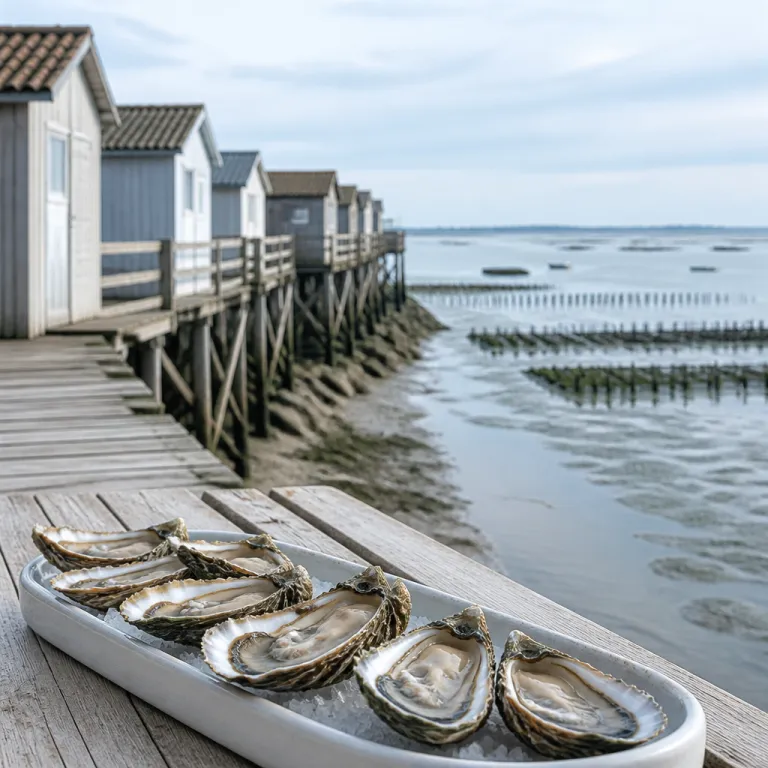
Arcachon Bay is where Aquitaine’s quiet luxury slips off its shoes. Along this sheltered basin, the arcachon bay oyster trail tasting guide becomes less an itinerary and more a way of moving through the day. You leave your hotel, cross the street to the beach, and within minutes you are at a wooden cabane with oysters arcachon on ice and a glass of white wine in hand.
For travelers used to formal tasting rooms near Bordeaux, the arcachon basin feels disarmingly relaxed yet deeply curated. Here, 8 000 tons of oysters are raised each year in carefully managed oyster beds, and more than 1 000 traditional oyster huts line the shore from the winter town of Arcachon to the quieter quays of Arès and the lively oyster ports of Gujan Mestras. This density of oyster farming activity means your luxury hotel stay can include several short tastings a day, each with different views and a different mood.
High end villas and premium rentals around bassin d’Arcachon increasingly build their service around this self-guided rhythm. Concierges will hand you a printed guide to the bay Arcachon cabanes, highlight which oyster farmers are open that morning, and arrange bicycles so you can ride the flat paths that trace the basin cap and the atlantic coast. The arcachon bay oyster trail tasting guide is therefore not a bus tour ; it is a flexible framework that lets you graze from cabane to cabane, returning to your hotel spa or pool whenever the tide or your appetite turns.
Luxury travelers often ask whether they should base themselves in central Arcachon or closer to Cap Ferret. If you want easy access to the dune du Pilat, the belle époque villas of the winter town, and a quick rail link to Bordeaux, Arcachon city makes sense. Those who prefer quieter lanes, pine scented air, and more direct access to the cap Ferret oyster villages will find that a villa or small hotel on the peninsula turns the arcachon bay oyster trail tasting guide into a daily ritual rather than a single excursion.
The geography of the cabanes: from winter town to Cap Ferret
The arcachon bay oyster trail tasting guide really starts with geography. Arcachon Bay is a shallow basin, the arcachon basin, where tides sculpt channels between rows of oyster beds and the light shifts constantly over the water. Around this basin, a string of villages, ports, and beaches forms a natural tasting route that luxury travelers can follow at their own pace.
Begin in Arcachon’s winter town, where ornate villas sit above the shoreline and you can walk down to the promenade in less than ten minutes. From here, a short boat ride takes you across bay Arcachon to the peninsula of Cap Ferret, or you can follow the coast by car toward La Teste and the dune du Pilat, pairing a morning climb on Europe’s highest sand dune with an afternoon plate of oysters arcachon in a shaded cabane. This interplay between natural landmarks and oyster farming sites is what makes the atlantic coast here feel so coherent for a gastronomic journey.
On the eastern side of bassin Arcachon, Gujan Mestras concentrates several traditional oyster ports, each with its own cluster of oyster huts and tasting terraces. Port Larros is the most photogenic, with wooden cabins painted in deep blues and reds, and it is here that many travelers first understand why “Self-guided tour” and “Explore Arcachon Bay's oyster huts and tastings.” appear together in local brochures. A little further north, Arès and Andernos offer calmer views and more family friendly promenades, ideal if your family includes children who will appreciate a playground stop between tastings.
Cap Ferret itself, or cap Ferret as locals write it, feels different again. On the basin side, you have intimate oyster huts with direct views over the arcachon bay and the silhouette of the dune Pilat in the distance ; on the ocean side, long wild beach stretches face the open atlantic coast. For a luxury stay, this duality means you can book villas or rentals that back onto pine forests yet sit within walking distance of both a surfing beach and a line of oyster farmers’ cabanes. If you are mapping your own arcachon bay oyster trail tasting guide, this is where you start to choose between the more polished energy of Arcachon and the barefoot elegance of the peninsula, just as you might choose between a grand hôtel in Bordeaux and a rural château when planning a wine focused trip, a tension explored in depth in our piece on how Michelin stars reshape coastal dining itineraries.
Inside the life of an oyster: farming, tasting, and terroir
Understanding oyster farming turns the arcachon bay oyster trail tasting guide from a simple list of addresses into a genuine gastronomic journey. In Arcachon Bay, oyster farmers collect wild spat on specially prepared tiles, then move the young oyster from nursery areas to deeper oyster beds as it grows. This process, from spat to market ready shellfish, usually takes three to four years, and every stage is visible from the cabanes that line the basin.
Compared with Marennes Oléron or Cancale, the arcachon basin offers warmer, more sheltered waters, which influence both growth speed and flavor. The mix of fresh water from the Leyre river and the tidal exchange with the atlantic coast gives oysters arcachon a balance of salinity and sweetness that many travelers find approachable, especially if they are new to raw oyster. When you sit at a cabane in Gujan Mestras or Arès, you are often just a few hundred meters from the exact parc where your plate was harvested that morning.
For a deeper understanding, plan a visit to La Maison de l’Huître, often written locally as maison Huitre, in Gujan Mestras. This small museum explains the history of oyster farming in bassin Arcachon, from traditional wooden boats to modern sustainable practices, and it is an ideal stop for a family who wants context before a tasting. “Oysters are available year-round; however, autumn and winter are traditional seasons for oyster consumption.” is the advice you will hear echoed by guides and producers alike, and it aligns with the cooler water temperatures that many connoisseurs prefer.
Luxury hotels and villas around bay Arcachon increasingly collaborate with specific oyster farmers, arranging private visits to oyster beds at low tide or curated tastings back at the property. A concierge might book a boat so you can glide across arcachon bay at sunrise, stopping at an isolated banc for a plate of oysters and a glass of Bordeaux blanc. This is where the arcachon bay oyster trail tasting guide intersects with broader Aquitaine gastronomy, much as the cured meats and peppers of the Basque Country frame hospitality there, a theme we explore in our feature on Bayonne ham, Espelette pepper, and Ossau Iraty.
The cabane ritual: what to order, when to go, how to pair
The heart of any arcachon bay oyster trail tasting guide is the cabane dégustation. These simple wooden oyster huts, often perched directly over the water, offer a short menu that respects the product and the pace of the tide. You sit at a basic table, sometimes with your feet in the sand, and the luxury comes from the freshness of the oyster and the clarity of the views across the basin.
A classic order is a dozen number three oysters arcachon, a plate of crevettes roses, a slice or two of pâté with local bread, and a carafe of dry white wine from Entre deux Mers or a crisp Bordeaux blanc. Expect to pay a modest price for this, even in the more fashionable corners of cap Ferret, which is why high end travelers often repeat the experience several times during a stay. The cabane menus are intentionally short ; beyond oysters, prawns, whelks, and sometimes local sausages or rillettes, there is little to distract from the shellfish.
Timing matters. Morning visits usually mean the freshest oysters and quieter terraces, while late afternoon brings softer light over arcachon bay and a more sociable atmosphere, especially in Gujan Mestras and Port Larros. Weekends can be crowded, so if your hotel stay allows, plan your main tastings for midweek and keep Saturdays for a walk along the beach or a climb up the dune Pilat, followed by a simpler plate of oysters at a less known cabane in Arès.
For families, many cabanes are explicitly family friendly, with high chairs, relaxed staff, and space for children to play safely near the basin cap while adults linger over a second glass of wine. Luxury hotels will often call ahead to check opening hours, because some oyster huts close without notice depending on tides or harvest schedules. This is where a well informed concierge becomes as valuable as any printed arcachon bay oyster trail tasting guide, curating a sequence of tastings that fit your appetite, your children’s patience, and the day’s weather, just as they might curate a gallery route through Bordeaux’s cultural quarter, explored in our article on rewriting Bordeaux’s origin story through contemporary exhibitions.
Choosing your base: Cap Ferret, Gujan Mestras, Arès, or Arcachon
Where you sleep will shape how you experience the arcachon bay oyster trail tasting guide. Arcachon itself offers the widest range of luxury hotels, many clustered between the winter town and the seafront, with easy access to the train line toward Bordeaux and to boat shuttles across the bay. From here, you can treat the oyster trail as a series of half day excursions, returning each evening to a spa, a rooftop bar, or a fine dining room.
Cap Ferret, by contrast, suits travelers who want the oyster experience woven into every walk and bike ride. Villas and discreet rentals hide among the pines, often within a few minutes of both the ocean beach and the calmer arcachon basin shore, where oyster huts line the water. From a high end villa in cap Ferret, you can step out at low tide, cross the sand, and be at a cabane with oysters arcachon and a glass of wine before the rest of the bay has finished breakfast.
Gujan Mestras appeals to those who want to stay close to the working life of oyster farming. Here, smaller guesthouses and a handful of premium rentals sit near the seven oyster ports, including Port Larros, where the sound of tools on boats and crates is part of the morning soundtrack. A stay here turns the arcachon bay oyster trail tasting guide into a daily loop on foot or by bicycle, with each port offering a slightly different angle on the same basin and the same atlantic coast light.
Arès and nearby Andernos les Bains offer a quieter alternative, with family friendly promenades, long views across bay Arcachon, and easy access to both oyster huts and sandy stretches where children can play safely at low tide. Luxury here is less about marble lobbies and more about waking up in a villa with direct views over bassin Arcachon, then deciding whether the day’s first activity will be a visit to a local oyster farmer, a swim from the beach, or a drive inland for a lunch in the vineyards near Bordeaux. For solo travelers, this looser rhythm can be ideal, allowing you to follow your own arcachon bay oyster trail tasting guide without ever feeling rushed.
Practical tips for a seamless self-guided oyster itinerary
A successful arcachon bay oyster trail tasting guide balances spontaneity with a few practical habits. Wear comfortable shoes, because even if you are staying in a luxury hotel, you will spend time walking docks, sandy paths, and sometimes damp pontoons. Check the weather forecast and the tide tables each morning, as both can influence which oyster huts open and when boat transfers across arcachon bay operate.
Bring some cash, since smaller cabanes in Gujan Mestras, Arès, or around the basin cap do not always accept cards, especially for low value tastings. Use interactive maps from local tourism offices or your hotel concierge to track which oyster ports are open that day, and remember that “Some huts may require reservations; it's advisable to check in advance.” even if the overall culture remains relaxed. Walking, cycling, and boating are the three classic methods for moving along bay Arcachon, and each gives a different sense of distance and time.
For luxury travelers, the key is to let the oyster farming schedule, not your email inbox, set the pace. Plan one or two anchor tastings each day, perhaps a late morning plate of oysters arcachon in Port Larros and a sunset glass of wine in a cabane on cap Ferret, then leave space for unplanned stops when a terrace looks inviting. If you are traveling with a family, keep tastings short, alternate them with beach time or a visit to maison de l’Huître, and choose family friendly cabanes where children can watch boats and birds while adults linger.
Finally, remember that this is a working landscape as much as a leisure one. Respect private areas around oyster beds, follow any posted hygiene rules at the oyster huts, and treat the arcachon basin as the fragile ecosystem it is. In doing so, you not only enhance your own arcachon bay oyster trail tasting guide but also support the long term sustainability of the oyster farmers whose work underpins every luxurious plate you enjoy along this stretch of the atlantic coast.
FAQ
When is the best time to plan an oyster focused stay on Arcachon Bay ?
Oysters are technically available all year, and many cabanes now serve them in every season. However, local tradition and producer advice align around the cooler months, because “Oysters are available year-round; however, autumn and winter are traditional seasons for oyster consumption.” For a luxury hotel stay that includes multiple tastings, shoulder seasons often offer the best balance of quality, calm, and availability.
Is the Arcachon Bay oyster trail suitable for families with children ?
Yes, the arcachon bay oyster trail tasting guide adapts well to families. Many oyster huts are explicitly family friendly, with relaxed service, outdoor seating, and safe spaces near the basin where children can play under supervision. Combining short tastings with beach time, a visit to maison de l’Huître, and gentle bike rides keeps everyone engaged.
Do I need reservations for tastings at the oyster huts ?
Some popular cabanes, especially on cap Ferret and in Port Larros, accept or even prefer reservations at peak times. Others operate on a simple first come, first served basis, particularly outside weekends and holidays. Your hotel concierge or villa host can usually call ahead the same morning to secure a table as part of your arcachon bay oyster trail tasting guide.
How can I combine Bordeaux wine tasting with an Arcachon Bay oyster itinerary ?
Arcachon sits roughly one hour from Bordeaux by road or train, which makes it easy to pair a city based wine stay with a coastal oyster trail. Many travelers spend a few nights in Bordeaux for château visits, then move to a hotel or villa on arcachon bay for a slower, shellfish focused finale. Dry whites from Entre deux Mers, Graves, or Pessac Léognan are classic partners for oysters arcachon and are widely available by the glass in the cabanes.
What is the best way to move between different oyster ports without a car ?
Walking and cycling work well for shorter stretches, especially around Gujan Mestras, Arès, and the villages of cap Ferret. Boat shuttles across bay Arcachon link Arcachon town with the peninsula, turning transfers into part of the experience rather than a chore. Many luxury hotels and rentals provide bicycles or can arrange private boat transfers, which fit naturally into a self-guided arcachon bay oyster trail tasting guide.