Basque country interior villages guide from Espelette: why the story starts inland
The Basque interior is where the region’s character feels most concentrated. This Basque country interior villages guide from Espelette to the Aldudes Valley will help you plan a day that layers food, architecture, and ritual into one coherent journey. In this part of Pays Basque, every small village, every fronton, and every plate of cheese and peppers tells you more than a crowded beach ever will.
Think of Espelette as your anchor village in the French Basque interior. The countryside around Espelette forms a natural amphitheatre of hills, where traditional Basque farmhouses sit between plots of chilli peppers and grazing sheep that will one day give their milk to Ossau Iraty. When you visit this corner of Basque country, you move through a living landscape rather than a curated open-air museum.
From the first view of half-timbered houses with red shutters, you understand why these are considered some of the most beautiful villages in south-west France. The Basque façades in each village are not decorative fantasies; they are working homes, often with a Jean or a Marie hanging red peppers on the balcony while a grandparent tends to piment d’Espelette strings. This guide focuses on the inland villages because the Basque country identity here feels rooted, not staged for a day trip from the coast.
Luxury travellers who usually default to a room in Biarritz or Saint-Jean-de-Luz often overlook the quiet power of a night inland. A stay in a converted farmhouse near Espelette or in the Aldudes Valley will change how you think about French Basque hospitality, from the welcome glass of cider to the way dinner stretches over several hours. For a solo explorer, the rhythm of these villages offers something rare in modern France: time to walk, taste, and talk without hurry.
Espelette: peppers, façades, and a village that tastes of piment
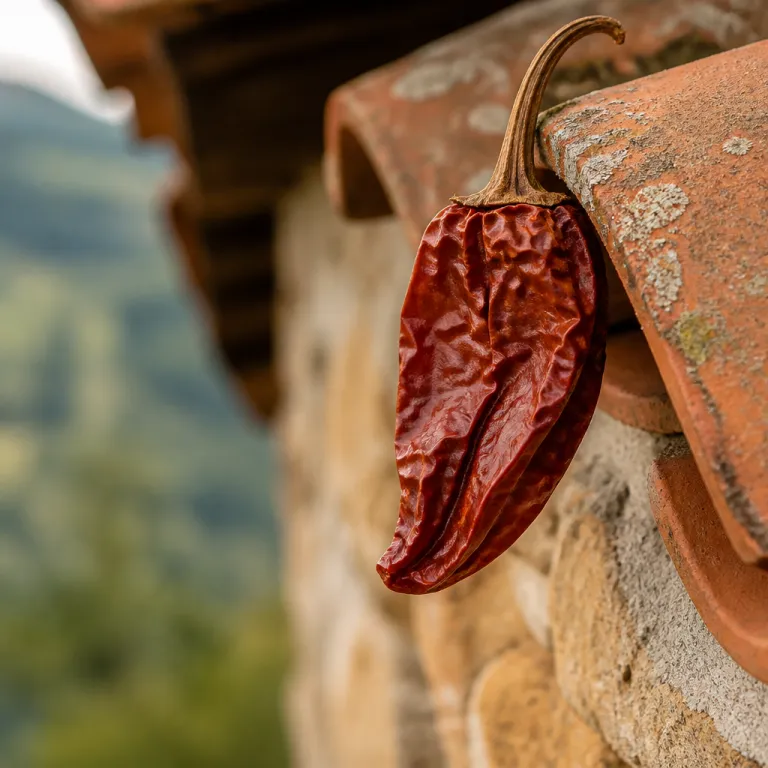
Espelette is renowned for its red peppers, known as piment d'Espelette. The village of Espelette sits in the hills of Nouvelle-Aquitaine, roughly 50 km by road from the Aldudes Valley according to regional mapping services, and its white half-timbered houses are draped in strings of drying chilli peppers from late summer onwards. When you walk through the main street of this small village, the scent of Espelette pepper mingles with wood smoke and the faint tang of curing ham.
The AOP label for piment d’Espelette protects both the pepper and the countryside around Espelette that produces it. Farmers around the village cultivate chilli peppers on small plots, then hang the red peppers on façades to dry, turning the entire village into a living drying rack that is far more than decoration. Local guides explain how the Espelette pepper replaces black pepper in traditional Basque cooking, giving a gentle heat that lifts dishes from grilled fish to chocolate.
Plan at least half a day in Espelette if you care about food. You can visit a producer on the edge of the village, taste fresh and powdered piment d’Espelette, and then sit down to a lunch where Ossau Iraty cheese arrives with a smear of Espelette pepper jelly. For more ideas on how south-west France eats beyond clichés, you can look at this insider guide to where to eat in Bordeaux beyond the Michelin list, then compare that urban energy with the quiet intensity of a country Espelette table.
The annual Fête du Piment turns the village into a dense, joyful crowd of locals, chefs, and travellers. Stalls line the streets with strings of chilli peppers, jars of piment d’Espelette, and wedges of Ossau Iraty from nearby valleys, while musicians play traditional Basque tunes near the fronton. If you are staying in a luxury hotel on the coast, arrange a driver for the day; you will want to taste freely, buy generously, and return with a suitcase that smells faintly of red peppers and sheep’s cheese.
From Espelette to the Aldudes Valley: charcuterie, Kintoa pigs, and quiet roads
Leaving Espelette, the road into the Aldudes Valley folds through some of the most beautiful villages in the interior Basque country. The distance of about 50 km between Espelette and Aldudes feels longer, because you will stop often in each small village to photograph half-timbered houses, frontons, and the occasional flock of sheep crossing the road. This is where the Pays Basque shows its agricultural heart, far from any port or resort.
The Aldudes Valley is synonymous with charcuterie and the revival of the Kintoa pig, led by producers such as Maison Pierre Oteiza in Les Aldudes. Farm visits here show you how traditional Basque methods survived, with pigs raised on steep slopes and cured meats aged in stone cellars that smell of pepper and smoke. When you taste a slice of Kintoa ham with a glass of local wine and a shard of Ossau Iraty, you understand how deeply this country connects animal, pasture, and plate.
Many luxury travellers pair this interior day with a coastal base in Saint-Jean-de-Luz or Biarritz. That strategy works, but if you can, spend at least one night in the valley to feel the silence after dark and the slow start of the day when mist lifts from the hills. For more context on how rural France celebrates its produce, the piece on Dordogne village festivals and markets worth crossing a river for offers a useful comparison to the Basque interior’s own fêtes and markets.
Reaching the Aldudes Valley works best by car, whether you drive yourself or arrange a private transfer through your hotel concierge. Methods such as hiking and cycling are increasingly popular among eco-conscious travellers, and the quiet roads between each village reward a slower pace. Carry some cash, because a few ham producers and small cafés still operate far from ATMs, and you will not want to miss a plate of charcuterie or a wedge of cheese for lack of coins.
Pelota, frontons, and the architecture of Basque villages
Every Basque village, from Espelette to Saint-Étienne-de-Baïgorry, seems to orbit its fronton. This open court, usually set against a backdrop of half-timbered houses, is where pelota is played, argued over, and passed down through generations. Watching a game on a warm evening tells you as much about the French Basque soul as any museum in Bayonne or Saint-Jean-de-Luz.
Pelota is often described as one of Europe’s oldest ball games, and in the interior Basque country you can watch it in both village frontons and professional trinquets. The etiquette is simple: greet your neighbours, avoid crossing the court during play, and clap for skill rather than for your own side, because the sport belongs to the village more than to any team. Local guides sometimes arrange introductions to players, and for a solo traveller this can be a rare way into traditional Basque social life.
Architecture frames these rituals. The classic etxe, or Basque house, is a solid, rectangular building with whitewashed walls, red or green timber, and a deep roof that shelters both family and animals, and you see variations of this in every small village from Ainhoa to La Bastide-Clairence. Villages such as Ainhoa, Sare, and La Bastide-Clairence are often listed among the most beautiful villages in France, not because they are frozen in time, but because they maintain a living balance between heritage and daily use.
Luxury hotels inland often reinterpret this vernacular architecture with contemporary comfort. You might sleep under old beams in a room with linen sheets, then step outside to watch children playing pelota in the square while elders lean against the wall of the fronton. To understand how the region balances heritage and modernity more broadly, the feature on ten years of wine at La Cité du Vin in Bordeaux offers a useful counterpoint to the way Basque villages protect their own identity.
La Rhune, coastal contrasts, and how to pair inland stays with the sea
From almost any ridge in the interior Basque country, the pyramid of La Rhune anchors the skyline. The cogwheel train that climbs to its summit is more than a tourist ride; it is a slow ascent through grazing land, border history, and views that stretch from Bayonne to San Sebastián on a clear day. At the top, you stand between France and Spain, looking down at both the coast and the inland villages you have been exploring.
Many travellers base themselves on the coast, in Saint-Jean-de-Luz or Biarritz, and treat the interior as a single day trip. That approach works if your time is short, but the most rewarding stays pair at least two nights inland with a few nights by the sea, so that the rhythm of the Basque country can settle into your body. Mornings might begin with mist over a small village near Espelette, while evenings end with a glass of wine on a terrace facing the port in Saint-Jean-de-Luz.
Food links these worlds. On the coast, grilled fish arrives with a dusting of Espelette pepper, while inland, hearty stews, charcuterie, and Ossau Iraty cheese dominate menus, often finished with a hint of piment d’Espelette in sauces or chocolate. In Bayonne, the historic port city on the Nive and Adour rivers, chocolate shops and ham houses bridge the gap between inland farms and Atlantic trade routes, making it an essential stop for anyone following a Basque country interior villages guide from Espelette.
For a solo explorer, alternating nights between a refined hotel in Saint-Jean-de-Luz and a characterful property near Espelette or in the Aldudes Valley creates a satisfying contrast. One day you might walk the quays of the port, the next you will hike a ridge above a village where red peppers dry on walls and sheep bells echo in the folds of the hills. This interplay between coast and country is what turns a simple visit into a layered understanding of the French Basque identity.
Practical guidance for luxury stays and cultural immersion inland
Planning a luxury stay in the Basque interior starts with geography. Espelette, the Aldudes Valley, Saint-Étienne-de-Baïgorry, and La Bastide-Clairence form a loose arc of villages that you can comfortably explore over two or three days by car. Distances are short in kilometres, but the roads are winding, and you will want to stop often for viewpoints, farm visits, and unplanned tastings of cheese or peppers.
When choosing accommodation, look for properties that engage with traditional Basque culture rather than simply using it as décor. A strong hotel in this region will have relationships with local guides, artisans, and producers, so that you can visit an Espelette pepper farm in the morning, a charcuterie cellar in the Aldudes in the afternoon, and perhaps a pelota match in the evening. Ask specifically about access to experiences such as farm lunches, Ossau Iraty tastings, or private introductions to cheesemakers and pepper growers.
Transport and timing matter. Driving gives you the most flexibility, but if you prefer not to, many high-end hotels can arrange private drivers for a day that links Espelette, La Bastide-Clairence, and Bayonne, or a loop through the Aldudes Valley and back to the coast. Methods such as hiking and cycling are increasingly supported by digital maps and travel apps, and local tourism offices now integrate these tools with printed guides to help visitors move safely between villages.
Cultural etiquette is simple but important. Learn a few basic Basque phrases; even a simple “Egun on” in the morning will open doors, especially in smaller villages where French and Basque mix in daily speech. Respect local customs around church squares, frontons, and farm property, and remember that while tourism supports the local economy, these are working landscapes first and foremost.
From Bayonne to Saint Jean de Luz: ports, saints, and the wider basque map
While this guide focuses on the interior, understanding the wider Basque map helps you place each village in context. Bayonne, with its confluence of rivers and its historic role as a port, has long been the commercial and cultural hinge between inland farms and Atlantic trade. Its old town streets, lined with half-timbered houses, chocolate shops, and ham specialists, feel like a denser, urban cousin to Espelette’s main square.
South along the coast, Saint-Jean-de-Luz offers a different expression of Basque identity. Here, the port and the beach shape daily life, but the same red and green timber, the same love of peppers and cheese, and the same devotion to saints such as Saint Jean and Saint Étienne link it back to the interior villages. Many travellers will base themselves in Saint-Jean-de-Luz for its refined hotels and then use this Basque country interior villages guide from Espelette to structure inland excursions.
Across the border, San Sebastián adds another layer to the story. Its pintxo bars showcase how Espelette pepper and other Basque ingredients travel between French Basque and Spanish Basque kitchens, creating a shared culinary language that ignores political lines. A day that begins in a small village near Espelette, passes through Bayonne for ham and chocolate, and ends with a late evening in San Sebastián shows how fluid this country feels when you move with intention.
For the solo explorer, this wider circuit offers both stimulation and refuge. You might spend one day in the bustle of a port city, the next in the quiet of a country Espelette farmhouse, and another on the slopes of La Rhune watching clouds drift over villages on both sides of the border. The key is to let each place speak in its own register, from the shout of a pelota match in a village fronton to the whisper of wind through strings of drying red peppers.
Key figures for planning your basque interior journey
- The road distance between Espelette and the Aldudes Valley is approximately 50 km, which translates to about one hour of driving on winding country roads according to common regional routing tools.
- Local tourism offices report a steady rise in eco-tourism in the Basque interior, reflecting a broader European trend toward low-impact travel and increased interest in hiking and cycling routes.
- Regional cultural associations note growing demand for cultural experiences such as farm visits, pelota demonstrations, and village festivals, which supports both local economies and heritage preservation.
- Artisanal markets in villages like Espelette and La Bastide-Clairence have expanded their seasonal calendars in response to visitor demand, offering more opportunities to buy products such as piment d’Espelette and Ossau Iraty directly from producers.
FAQ: basque interior, Espelette, and the Aldudes Valley
What is Espelette known for ?
Espelette is renowned for its red peppers, known as piment d'Espelette. These chilli peppers are grown in and around the village, then dried on house façades before being ground into a gently spicy powder that has protected AOP status.
Are there hiking trails in the Aldudes Valley ?
Yes, the Aldudes Valley offers several hiking trails with varying difficulty levels. Routes range from gentle riverside walks between villages to more demanding climbs that reward you with wide views over the Basque country and into Spain.
Is it necessary to speak Basque when visiting the interior villages ?
While not necessary, learning basic Basque phrases is appreciated by locals. A few words used in shops, markets, and village bars signal respect and often lead to warmer, more engaged conversations.
How should I move between Espelette and the Aldudes Valley in one day ?
The most practical way to travel the 50 km between Espelette and the Aldudes Valley in a single day is by car, either self-driven or with a private driver arranged through your hotel. This gives you the flexibility to stop in intermediate villages, visit farms, and adjust your timing around tastings and walks.
Do I need to carry cash in the basque interior villages ?
Carrying some cash is advisable, because a few remote cafés, farm shops, and small market stalls still do not accept cards. This is especially true in the Aldudes Valley and in smaller villages where ATMs are rare and mobile coverage can be patchy.
Sources
- Office de Tourisme Pays Basque
- Comité Régional du Tourisme Nouvelle-Aquitaine
- INAO (Institut National de l’Origine et de la Qualité) for AOP Piment d’Espelette and Ossau Iraty