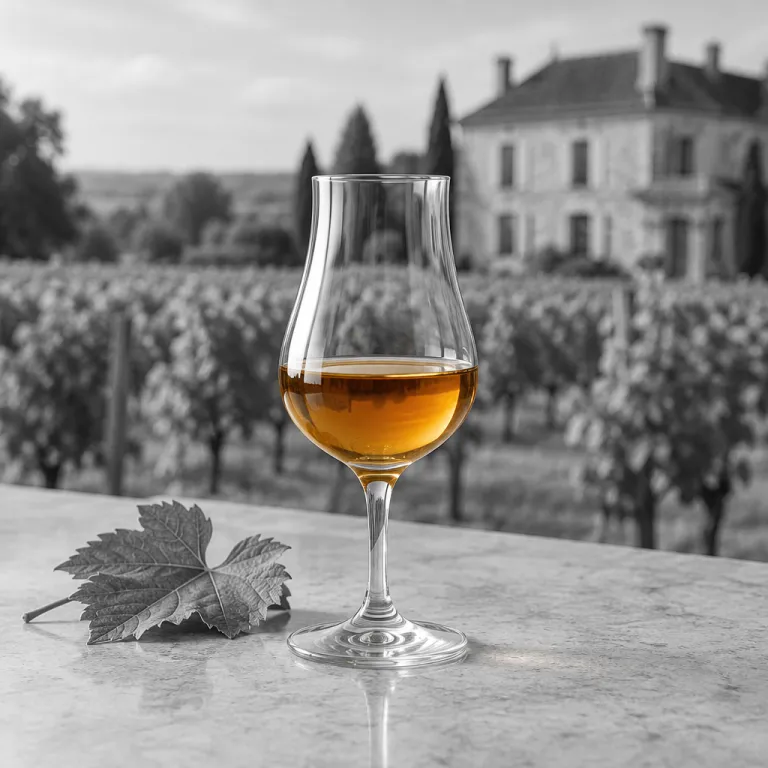
Why Cognac city is the discreet heart of French vineyard luxury
The town of Cognac sits on a gentle bend of the Charente River, quietly shaping some of the most prestigious spirits in France. This historic riverside destination offers a refined alternative to busier wine capitals, with vineyard estates that blend heritage, architecture, and serene water landscapes. For travelers seeking a luxury hotel near both vines and river, the combination of Cognac terroir and elegant properties feels remarkably intimate.
The wider Cognac region stretches across the Charente department and into Charente-Maritime, forming a patchwork of crus where limestone soils and Atlantic breezes define style. Within this area, Cognac stands out because the city itself lies between vineyards and the Charente, so you can visit cellars in the morning and stroll along the quays by late afternoon. Many premium hotels occupy former merchant mansions or centuries-old châteaux, where landscaped parks and river views create a natural extension of the surrounding vines.
Walking through the old town, you pass the Maison de la Lieutenance, often called Maison Lieutenance, whose timbered façade recalls the Middle Ages and the rise of the brandy trade. Around it, narrow lanes lead to the Jardin Public, a landscaped park where locals and guests from nearby hotels pause between tastings. This blend of historic streets, green spaces, and easy access to vineyard estates makes Cognac an ideal base for a multi-night stay.
Staying among vines near Cognac city : château estates and river retreats
Luxury travelers choosing Cognac often look for a château-style hotel located within or beside working vineyards. Around the Charente valley, several estates combine grand stone façades, sculpted park grounds, and contemporary suites, with some rooms opening directly onto rows of Ugni Blanc vines. These properties typically keep tasting rooms on the ground floor, while upper floors host spacious suites that frame the Charente River or the surrounding countryside.
Among the most established addresses, visitors frequently mention château hotels such as Château Pellisson or Château de L’Yeuse, as well as riverfront retreats like Hôtel Chais Monnet & Spa and Hôtel François Premier, where former cellars now house bars devoted to Cognac eaux-de-vie. In the wider Nouvelle-Aquitaine region, it is easy to pair a stay in Cognac with a weekend focused on grands crus near Saint-Émilion, especially if you follow curated itineraries such as a one weekend planning around Saint Émilion’s harvest festival. Cognac then becomes one refined stop in a longer journey through vineyards, where you can visit Cognac houses one day and explore Bordeaux right bank châteaux the next. This multi-stop approach lets you compare the character of local spirits with the structure of Saint-Émilion wines, while enjoying consistently high hotel standards.
Many estates near the town preserve elements from each century they have survived, from medieval towers to nineteenth-century orangery buildings. Guests can often find private tasting salons on the ground floor, with stone fireplaces and views of the park, while upper levels reveal contemporary design and spa facilities. When choosing among these hotels, look for direct access to walking paths along the Charente, which allows you to move easily between vineyard rows, riverbanks, and the historic city center.
Historic layers of Cognac city : churches, façades, and riverside walks
The historic core of Cognac is compact, which makes it simple to visit key landmarks between tastings and spa sessions. Around the central streets, you will find the church Saint Léger and the church Saint Jacques, both bearing façades that reflect different periods of French religious architecture. Their stonework and sculpted portals tell the story of how this town grew from a medieval river port into a prosperous trading city.
The façade of the church Saint Léger shows Romanesque and Gothic influences, while the façade of the church Saint Jacques reveals later restorations that followed conflicts and economic revival. These churches stand close to merchant houses whose ground-floor arcades once sheltered barrels of Cognac, with upper stories reserved for families and trading offices. Today, many visitors pause here on their way to the Jardin Public or the quays along the Charente, where cafés and terraces overlook the water.
Religious heritage plays a subtle but important role in the atmosphere of Cognac. The church Saint Léger, located near the Jardin Public, invites visitors into a cool nave where stone columns and stained glass filter the Charente light. Just across town, the church Saint Jacques stands closer to the river, its façade details bearing witness to centuries of pilgrim routes and local devotion. These churches remind travelers that Cognac once lay on paths linked to major pilgrimage roads across France, where merchants and pilgrims shared the same streets and the town’s prosperity grew from both spiritual traffic and river trade.
Spiritual heritage and quiet corners : Saint Léger, Saint Jacques, and beyond
When you visit Cognac today, stepping inside these buildings offers a quiet counterpoint to the sensory intensity of tastings and gourmet meals. Stone vaults, candlelight, and the muffled sound of footsteps create a contemplative mood that contrasts with the lively atmosphere of cellar tours and bar lounges. Even a brief visit between appointments can reset the pace of a busy day.
Several luxury hotels in the surrounding countryside design their guest experiences around this balance of contemplation and indulgence. You might find a small chapel preserved within a château park, or a wellness space on the ground floor that uses stone and filtered light in ways that echo nearby churches. For many guests, this interplay between sacred architecture, vineyard landscapes, and refined hospitality is what makes stays in the Charente feel so distinct from other French wine regions.
To understand seasonal rhythms in the Charente department, consider planning your visit around early autumn, when vineyards glow with golden leaves and the city feels calmer. A helpful perspective on timing comes from regional advice such as why September is when Aquitaine finally belongs to travelers. During these weeks, Cognac offers mild weather for walking, quieter tasting rooms, and more availability in high-end hotels located both in the city and among the vines.
Green spaces, museums, and riverside life in Cognac city
Beyond tastings and château visits, Cognac offers several cultural and natural spaces that enrich a luxury stay. The Jardin Public, located a short walk from many central hotels, combines formal lawns, mature trees, and shaded benches ideal for a late-afternoon pause. From here, paths lead toward the Charente, where you can follow quays that once handled barrels bound for northern France and overseas markets.
Culture-focused travelers will want to visit at least one musée des arts or spirits-related museum in the city area, many of which are housed in former merchant mansions. These institutions often occupy buildings whose ground floor once stored casks, while upper levels now present exhibitions on the history of Cognac, from the Middle Ages to modern branding. Exhibits explain how the Charente department evolved from a salt and wine trading zone into a global reference for aged eaux-de-vie.
For a broader sense of Nouvelle-Aquitaine, some travelers pair Cognac with coastal stays, using curated guides such as refined stays on the French Basque coast near Saint-Jean-de-Luz, available through specialized Aquitaine stay collections. This approach lets you experience both Charente river landscapes and Atlantic beaches within a single itinerary, while keeping a consistent standard of premium accommodation. Returning inland after the coast, many guests appreciate the calm of riverside walks and the intimacy of smaller-town life.
Planning a luxury stay in Cognac city : practical tips for premium bookings
When planning a high-end stay in Cognac, start by deciding whether you prefer a hotel located in the historic center or a château set among vineyards. A central address offers easy access to the Maison Lieutenance, the Jardin Public, and the main quays along the Charente, which suits travelers who enjoy walking between tastings, museums, and restaurants. A rural château in the surrounding appellation, by contrast, provides larger park grounds, more privacy, and direct views over vines, often with a spa on the ground floor and gastronomic dining in vaulted cellars.
Booking platforms focused on Nouvelle-Aquitaine can help you find properties that match specific expectations, such as suites with river views, rooms in a restored eighteenth-century wing, or access to private tastings in historic chai buildings. Pay attention to whether the hotel is located within the town limits or in nearby villages along the Charente, because this affects transfer times to major Cognac houses and the main train station. For guests arriving from other parts of France, rail connections through Angoulême and Bordeaux make it straightforward to reach the region without renting a car, though a driver or taxi remains useful for vineyard visits.
To make these choices concrete, imagine a three-night stay where you arrive in Cognac around midday, check into a central hotel such as Hôtel Chais Monnet & Spa, and spend the afternoon exploring the old streets around Maison Lieutenance before a first tasting at a nearby house like Hennessy or Rémy Martin. The next day, a short drive or transfer of around twenty minutes takes you to a countryside château estate for lunch, a tour of the vineyards, and a late-afternoon spa session back at your hotel. On the final full day, you might walk to the Jardin Public, visit a spirits museum, and end with a sunset stroll along the Charente before a long dinner in the historic center.
Key figures on Cognac city, vineyards, and regional travel
- The Cognac appellation covers roughly 75 000 hectares of vineyards, according to the Bureau National Interprofessionnel du Cognac (BNIC), making it one of the largest dedicated white grape areas in France.
- More than 95 percent of grapes grown in the Charente and Charente-Maritime departments are used for Cognac production, which explains why vineyard estates dominate the landscape around the town.
- International visitors account for over 50 percent of guided tours in major Cognac houses, with strong demand from Europe, North America, and Asia, as reported by regional tourism boards and BNIC visitor statistics.
- The Charente department records several million overnight stays each year, and a growing share of these nights are spent in high-end hotels and château properties linked to wine and spirits tourism.
- Rail connections allow travelers to reach Cognac from Paris in around three and a half hours via Angoulême, which makes weekend stays in this part of western France realistic for international arrivals landing in the capital.
FAQ about luxury stays and vineyard estates in Cognac city
How many nights should I plan in Cognac city for a vineyard focused trip ?
Most luxury travelers find that three to four nights in Cognac provide enough time to visit two or three major Cognac houses, tour at least one château estate in the countryside, and explore key sights such as the Maison Lieutenance, the Jardin Public, and the churches Saint Léger and Saint Jacques. Shorter stays can feel rushed, especially if you also want spa time and long dinners. If you plan day trips elsewhere in Nouvelle-Aquitaine, consider extending to five nights.
Is it better to stay in a central hotel or a château near the vineyards ?
A central hotel located in the historic core of Cognac suits guests who enjoy walking to restaurants, museums, and riverfront terraces. A château in the surrounding countryside offers more space, parkland, and direct vineyard views, which many couples and small groups prefer for a retreat-style stay. Some travelers split their time between both options to experience city life and rural calm in a single trip.
Do I need a car to visit Cognac vineyards and estates ?
It is possible to visit Cognac without a car, especially if you focus on houses and museums within walking distance of the center. However, reaching more remote château estates in the Charente usually requires either a rental car, a private driver, or organized tours. Many luxury hotels can arrange transfers and tastings, which allows you to enjoy Cognac safely without driving after visits.
When is the best season to visit Cognac city and the surrounding vineyards ?
Late spring and early autumn are particularly appealing, with mild temperatures, active vineyards, and generally fewer crowds than peak summer. September and October often align with harvest and post-harvest periods, which bring extra energy to the region while still allowing relaxed hotel stays. Winter can be atmospheric for cellar visits and fireside tastings, though some rural properties may reduce services.
Can I combine Cognac with other destinations in Nouvelle Aquitaine on one trip ?
Many visitors pair Cognac with Bordeaux, Saint-Émilion, or the Atlantic coast, using rail and road links across Nouvelle-Aquitaine. A common itinerary includes a few nights in Cognac, followed by time among Bordeaux vineyards or on the Basque coast near Saint-Jean-de-Luz. This combination offers a rich contrast between river landscapes, wine country, and seaside towns while maintaining a consistent level of premium accommodation.