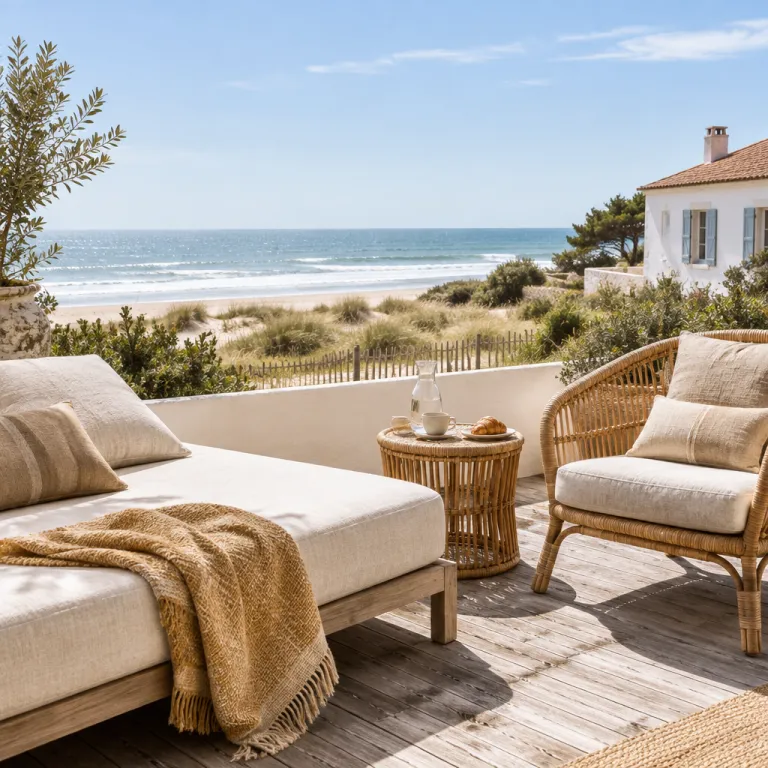
Why Île d’Oléron is the quiet luxury star of the Atlantic coast
Île d’Oléron sits off the Charente-Maritime coast, a luminous island where Atlantic light feels almost Mediterranean. This French haven balances wild beaches with characterful villages, giving discerning travelers a rare mix of authenticity and comfort on one compact island. Many guests arrive expecting a simple seaside escape in France, then realise Oléron island offers one of the most appealing coastal lifestyles on the Atlantic coast.
The island of Oléron is linked to the mainland by a bridge of just over 3 km, so you reach this maritime retreat without ferries yet still feel blissfully removed from the rush. From the first views of the coast you sense why demanding travelers quietly rank Île d’Oléron among the most attractive French islands for slow-paced stays. Elegant hotels cluster near the beaches, while discreet guesthouses hide behind stone walls in Saint Pierre d’Oléron and Le Château d’Oléron.
For a high-end stay, location on the island matters as much as star ratings, because each part of Île d’Oléron shapes a different rhythm of stay. The wild Atlantic beaches near Saint Trojan les Bains feel worlds apart from the family-friendly coves near Saint Denis d’Oléron, yet both sit on the same island. When you book online through a curated Aquitaine platform, you can filter for quiet dunes, lively marinas, or village charm across the whole of Île d’Oléron.
Mapping the island: where to stay on Île d’Oléron for different travel styles
Choosing the right base on Île d’Oléron is the key decision for a luxury or premium stay. Saint Pierre d’Oléron, often called the island’s capital, suits travelers who want restaurants, markets, and easy access to several beaches in different directions. Around Saint Pierre, the island reveals its everyday French life, with wine estates, oyster huts, and quiet lanes that make intimate rural hotels and guesthouses particularly appealing.
On the southern tip, Saint Trojan les Bains offers pine forests, long Atlantic beaches, and a spa atmosphere that has attracted discerning guests for generations. Here, upscale hotels such as Novotel Thalassa Île d’Oléron or Hôtel de la Plage often face the forest or the ocean, and many travelers book rooms with terraces to enjoy September sunsets over the Atlantic coast. Saint Trojan and its neighbour Dolus d’Oléron form a gentle curve of coast where you can walk or cycle between beaches, then return to a hotel that understands slow living.
To the east, Le Château d’Oléron combines maritime heritage with a fortified silhouette, giving a different island mood again. Staying near the citadel of Château d’Oléron places you close to art galleries, oyster basins, and the sheltered side of the coast, which is ideal if strong Atlantic waves are not your priority. For travelers comparing Aquitaine destinations, it feels more intimate than the Basque coast around Saint Jean de Luz luxury weekends, yet it offers the same focus on considered seaside pleasures.
Signature seaside atmospheres: from Saint Trojan les Bains to La Cotinière
Oléron’s southern arc, from Saint Trojan les Bains to Dolus d’Oléron, is where the Atlantic shows its wilder face. Long beaches stretch behind dunes and pine forests, giving guests space to walk for kilometres without crowds even in peak season. Seafront hotels and thalasso resorts here often highlight direct access to the coast, because stepping from spa to sand in minutes is one of the island’s greatest privileges.
On the western side, the fishing port of La Cotinière brings a different kind of maritime theatre to Île d’Oléron. Watching trawlers return to La Cotinière harbour at sunset, then dining on ultra-fresh seafood at quayside restaurants, has become a ritual for many repeat visitors to the island. One long-time fishmonger summed it up simply to a curious guest: “If you see the boat, you know how fresh your plate will be.” Boutique hotels near La Cotinière and the surrounding coast often design rooms to frame harbour views, so you can follow the rhythm of the Atlantic from dawn to night.
Further north, Saint Georges d’Oléron and Saint Denis d’Oléron open onto calmer beaches and family-friendly coves. Here the island feels softer, with shallower waters and views stretching towards the legendary Fort Boyard offshore. When you book online, look for properties that mention proximity to Saint Georges or Saint Denis if you prefer gentle maritime landscapes over the dramatic Atlantic surf celebrated along the wider Atlantic coast in events such as the Biarritz festival highlighted in this feature on Atlantic coast culture.
Heritage, lighthouses, and Fort Boyard views: cultural depth for refined stays
Île d’Oléron is not only about beaches; its cultural landmarks give depth to longer luxury stays. The citadel at Le Château d’Oléron anchors the island’s maritime story, with ramparts, art studios, and views across the Charente-Maritime waters. Many guests choose hotels near Château d’Oléron specifically to enjoy evening walks on the fortifications before returning to intimate dining rooms.
At the northern tip, the Phare de Chassiron, often called the Chassiron lighthouse, offers one of the most striking panoramas on the French Atlantic. According to Charente-Maritime tourism information, the lighthouse stands around 46 metres high, and from its gardens and viewing platforms you see the island of Oléron taper into the ocean, with Fort Boyard standing offshore like a stone ship. Staying in the north near Saint Denis d’Oléron or Saint Georges d’Oléron makes sunrise or sunset visits to Chassiron lighthouse effortless, especially if you book a hotel that offers bicycles for guests.
Offshore, Fort Boyard has become a symbol of the wider Charente-Maritime coast, and many higher-end hotels on Île d’Oléron can arrange private boat tours around it with local skippers. These excursions often depart from ports near Saint Georges or from the eastern side of the island, combining maritime history with views back towards Oléron’s beaches and forests. When comparing island stays across France, this blend of cultural heritage, coastal engineering, and attentive hospitality sets Île d’Oléron apart from many other Atlantic islands.
How to book luxury stays on Île d’Oléron with confidence
For travelers seeking premium hotels on Île d’Oléron, the booking process shapes the entire experience. Curated Aquitaine platforms that specialise in luxury stays along the Atlantic coast often pre-select properties in Saint Pierre d’Oléron, Saint Trojan les Bains, Dolus d’Oléron, and Le Château d’Oléron. Using these expert selections helps you book online with confidence, because each hotel is vetted for service, location, and consistency.
When you compare options, pay close attention to how each property relates to the island’s geography. A hotel near the beaches of Saint Trojan les Bains will suit guests who prioritise surf, dunes, and pine forests, while a stay in Saint Pierre d’Oléron places you at the heart of island life with easy access to several coasts. Properties near La Cotinière or the Cotinière Saint area are ideal if you want to walk to the harbour, while those near Saint Georges or Saint Denis give quicker access to Fort Boyard cruises and the Chassiron lighthouse.
For multi-stop Aquitaine itineraries, many travelers pair Île d’Oléron with inland bastide towns such as Eymet, using resources like this refined bastide escape guide. This combination of island Oléron stays and inland château-style retreats offers a complete view of southwest France, from maritime landscapes to vineyard hills. Booking both segments through a single specialist platform simplifies logistics, especially if you are planning a September trip when availability can tighten quickly.
Seasonality, practical tips, and crafting your ideal Île d’Oléron itinerary
Seasonality on Île d’Oléron is crucial for luxury travelers who value space and calm. July and August bring the liveliest atmosphere to the beaches and ports, while September often offers warm seas, softer light, and more availability in premium hotels. Many regular guests consider September the best month to enjoy the island’s Atlantic coast without sacrificing weather or service levels.
For a balanced itinerary, consider splitting your stay between two parts of the island. Begin with three nights near Saint Trojan les Bains or Dolus d’Oléron for wild Atlantic beaches, then move to Saint Pierre d’Oléron or Le Château d’Oléron for markets, heritage, and easier access to the eastern maritime side. If you prefer quieter surroundings, Saint Georges d’Oléron and Saint Denis d’Oléron offer a softer rhythm, with quick access to Chassiron lighthouse and Fort Boyard cruises.
Transport on the island is straightforward, with cycling routes linking most villages and beaches, which allows you to leave the car at your hotel. Many luxury properties provide bicycles, spa facilities, and concierge teams who can arrange private tastings, sailing trips, or guided tours of the Charente-Maritime coast. When you finally book online, look for detailed descriptions of these services, because on Île d’Oléron the difference between a good stay and the best stay often lies in thoughtful, locally rooted experiences.
Key figures about Île d’Oléron and the Charente Maritime coast
- Île d’Oléron is widely described as the second largest French island off the mainland after Corsica, covering about 175 square kilometres according to Charente-Maritime tourism data, which helps explain the diversity of its beaches and villages.
- The island bridge linking Oléron to the Charente-Maritime coast is approximately 3 kilometres long; regional infrastructure sources note that it ranks among the longer road bridges in France and allows easy access without ferries.
- Oléron and the Marennes basin together represent one of the most important oyster-producing areas in Europe, with several tens of thousands of tonnes harvested annually according to French maritime and agricultural statistics.
- The Chassiron lighthouse stands about 46 metres high, and its light has a range of roughly 23 nautical miles, providing a crucial signal for Atlantic navigation off the Oléron coast.
- Fort Boyard, visible from the northern and eastern shores of Île d’Oléron, is approximately 68 metres long and 31 metres wide, forming a distinctive stone landmark between the island and the mainland.
FAQ about luxury and premium stays on Île d’Oléron
Which area of Île d’Oléron is best for a first luxury stay ?
For a first visit, many luxury travelers choose to stay near Saint Pierre d’Oléron or Saint Trojan les Bains. Saint Pierre offers central access to several coasts and villages, while Saint Trojan les Bains provides immediate access to long Atlantic beaches and pine forests. Combining both areas in one trip gives a complete view of the island’s relaxed seaside lifestyle.
Is Île d’Oléron suitable for a car free premium holiday ?
Yes, Île d’Oléron works well for car-free stays, especially if you choose a hotel in or near Saint Pierre d’Oléron, Saint Trojan les Bains, or La Cotinière. The island has an extensive cycling network, and many premium hotels provide bicycles or can arrange rentals. Local buses and taxis complement cycling, so you can reach beaches, ports, and the Chassiron lighthouse without driving.
When is the best time to book online for September stays ?
For September, it is wise to book online several months in advance, particularly for high-end rooms with sea views or suites in popular areas such as Saint Trojan les Bains and La Cotinière. Demand remains strong because the weather is often pleasant and the island is quieter than in midsummer. Early booking also gives you more choice between different parts of the coast, from Dolus d’Oléron to Saint Denis d’Oléron.
How long should I stay on Île d’Oléron to explore comfortably ?
A minimum of four nights allows you to experience both the wild Atlantic beaches and the calmer eastern side of the island. Many luxury travelers opt for a week, splitting time between Saint Trojan les Bains or Dolus d’Oléron and a second base near Saint Pierre d’Oléron or Le Château d’Oléron. This duration leaves space for day trips to the Chassiron lighthouse, Fort Boyard cruises, and leisurely market visits.
Can Île d’Oléron be combined with other Aquitaine luxury destinations ?
Île d’Oléron combines naturally with other Atlantic coast and inland Aquitaine destinations, such as the Basque coast or bastide towns like Eymet. Many travelers plan an itinerary that includes Oléron island for maritime experiences, then continue towards the vineyards and historic villages of southwest France. Using a specialist Aquitaine booking platform helps coordinate these segments into a seamless premium journey.