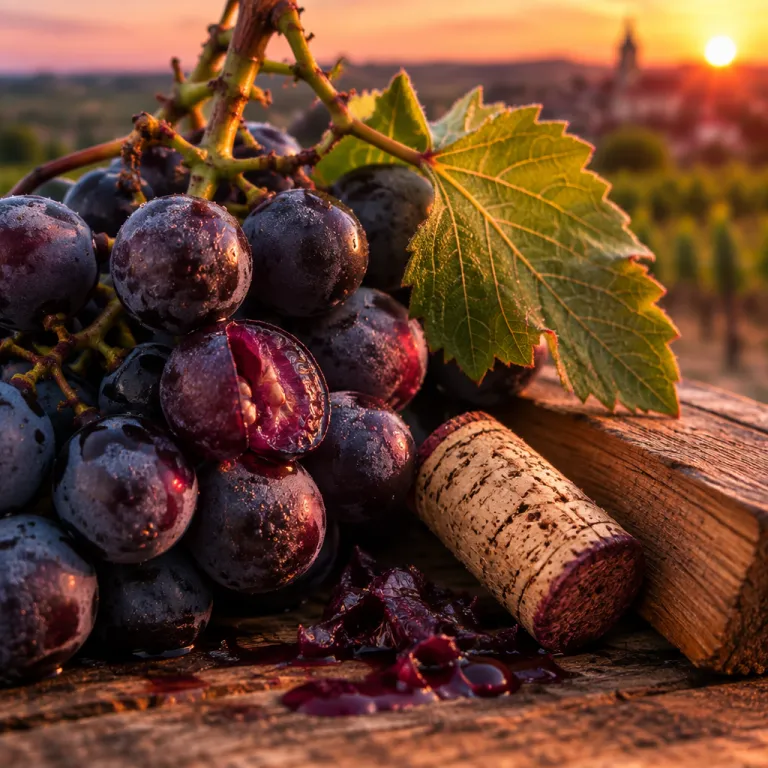
Saint-Émilionnais vineyard estates as a base for refined travel
The Saint-Émilionnais landscape offers a rare blend of medieval town charm and grand wine estates. Around the historic village of Saint-Émilion, luxury hotels located on working vineyards allow guests to feel the rhythm of the vines while enjoying discreet service. This area forms part of the wider Bordeaux wine region, yet it keeps a quieter, more intimate character.
Staying within the Saint-Émilionnais gives you immediate access to the monolithic church of Saint-Émilion, the Tour du Roy, and the cobbled streets that climb the hillside. The town centre sits on limestone plateaus whose width and depth shaped the famous underground cellars, and many premium properties fill these ancient quarries with tasting rooms and spas. From the north side of the village down to the lower area near the Dordogne, vineyard hotels frame round views of orderly rows of vines and distant châteaux.
For travellers comparing Bordeaux city hotels with vineyard estates in the Saint-Émilionnais, the choice is about pace and proximity. Urban luxury in Bordeaux suits guests who want museums, shopping, and a lively club scene, while a château located among the coteaux de la Dordogne suits those who prefer silence and starry skies. Many visitors split their stay between the town and the vines, using a premium booking website focused on Nouvelle Aquitaine to coordinate transfers, curated wine tours, and restaurant reservations. Typical private transfers from Bordeaux Saint-Jean station to Saint-Émilion take around 45 minutes by car in normal traffic, which makes it easy to combine both experiences in a single trip.
Choosing a luxury vineyard estate in the Saint-Émilionnais
Selecting the right estate in the Saint-Émilionnais starts with understanding the patchwork of appellations and small communes. Around Saint-Émilion itself, you will find prestigious properties near the Grand Saint-Émilionnais Golf Club, as well as more secluded retreats towards Castillon-la-Bataille and the coteaux de la Dordogne. A good booking platform will clearly indicate whether a château hotel is located within walking distance of the village or set several kilometres into the countryside, and may highlight exemplar addresses such as Château Grand Barrail or similar château hotels for guests who want immediate visual references.
Look closely at how each property balances heritage and comfort in this part of Nouvelle Aquitaine. Some château estates near Saint-Laurent-des-Combes or Saint-Sulpice-de-Faleyrens occupy centuries-old stone buildings whose walls still bear the stroke marks of quarry tools, while interiors fill the rooms with contemporary fabrics and generous bed width. Others near Saint-Philippe-d’Aiguilhe or Saint-Seurin-de-Prats emphasise spa facilities, heated pools, and private terraces overlooking round parcels of vines. In high season, double rooms in these luxury vineyard hotels often start around the mid to high two-hundred-euro range per night, with suites and private wings rising well above that according to recent regional tourism surveys.
Service culture matters as much as architecture when you book in the Saint-Émilionnais. Before confirming, read how each hotel handles privacy, restaurant reservations, and wine tour logistics; a useful reference is this guide to service culture in southwest France. Properties that work closely with the Saint-Émilion tourist office usually arrange private visits to nearby châteaux, including lesser known Émilion châteaux on the outskirts of the jurisdiction of Saint-Émilion. One estate manager describes their approach simply: “We take care of the driving and the introductions so guests only have to decide which bottle to open first.” This level of coordination is especially valuable if you plan to play golf, schedule tastings, and still leave time to wander the town at your own pace.
Wine, architecture, and heritage around Saint-Émilion
The Saint-Émilionnais is first and foremost a wine landscape shaped by centuries of careful labour. Vineyards around Saint-Émilion, Castillon-la-Bataille, and the north bank of the Dordogne river produce Merlot-dominant blends that express subtle differences in soil depth, slope, and exposure. Staying on an estate allows you to follow this cycle from pruning to harvest, with many hotels offering early morning walks among the vines before breakfast and informal conversations with a vigneron about the decisions behind each cuvée.
Architecture adds another layer of interest for guests who appreciate history. The monolithic church of Saint-Émilion, carved directly into the limestone, sits beneath the town square and extends in a vast underground area whose width still surprises first-time visitors. Nearby, the Tour du Roy rises above the village and offers a round panorama of the surrounding vineyards, including several château hotels that appear as pale stone islands in a sea of green. Some properties also open their own troglodyte cellars, where tasting rooms occupy former quarries lit by soft pools of light and often decorated with archival photographs.
Timing your stay in the Saint-Émilionnais around the vendange can transform a pleasant trip into a memorable one. For detailed planning, many travellers consult this guide on how to time a Bordeaux visit around the harvest, then use a premium booking website to secure flexible rates at vineyard estates. During harvest, you may watch pickers move in a steady stroke through the rows, see vats fill with freshly pressed juice, and taste fermenting wine that hints at the future character of the vintage; some estates even invite guests to join a short picking session before a relaxed lunch at a long communal table.
Golf, outdoor pursuits, and the wider Bordeaux area
Not every moment in the Saint-Émilionnais needs to revolve around wine. The Grand Saint-Émilionnais Golf Club, described in regional golf publications as a course integrated into oak woods and gentle valleys, offers an 18 hole layout that many players travel specifically to experience, and several luxury hotels provide direct access or preferred tee times. Golfers appreciate the way the course follows the natural contours, creating a round of play that feels both strategic and deeply connected to the landscape.
Beyond this renowned golf club, the wider Bordeaux area offers cycling routes, river activities, and quiet walking paths. Many château hotels located near Saint-Laurent-des-Combes or Saint-Genès-de-Castillon lend electric bikes so guests can explore neighbouring villages such as Saint-Sulpice-de-Faleyrens or Saint-Philippe-d’Aiguilhe without needing a car. These rides often pass small Émilion châteaux and family run estates where you can arrange informal tastings far from the crowds of the main town, sometimes by simply calling ahead or asking your hotel to make a quick introduction.
For travellers who prefer a slower rhythm, the coteaux de la Dordogne provide gentle slopes ideal for picnics and photography. Some hotels organise guided tours that combine a short hike, a visit to a local château, and a relaxed wine tour with a sommelier who explains how soil depth and row width influence flavour. If you are planning a stay outside peak summer, this article on booking in Aquitaine after the crowds leave offers useful context for choosing dates that balance calm weather with fewer visitors.
Exploring nearby villages and appellations from your estate
One advantage of staying in the Saint-Émilionnais is the ease of exploring nearby villages and appellations. From a château hotel near Saint-Émilion, you can reach Castillon-la-Bataille in a short drive, following the Dordogne eastwards through gentle coteaux and river meadows. This town, known for the historic battle of Castillon, anchors a wine area that feels more rural and less polished than central Saint-Émilion, yet it offers excellent value and authentic encounters.
To the north, small communes such as Saint-Laurent-des-Combes and Saint-Genès-de-Castillon host discreet estates where owners still live on site. Guests often appreciate the chance to speak directly with a vigneron about how they manage each stroke of work in the vineyard, from pruning to harvest, and how they decide which parcels fill the grand vin and which go into second wines. These conversations give depth to a wine tour and help you understand why a particular Émilion château tastes the way it does, especially when you can compare wines from different slopes or soil types in a single afternoon.
South of the river, villages like Saint-Seurin-de-Prats and Saint-Sulpice-de-Faleyrens open the door to the broader Dordogne valley. Here, the width of the river creates misty mornings that influence grape ripening, and some estates specialise in white wine that contrasts with the reds of Saint-Émilion. A well designed booking website will highlight these micro destinations within Nouvelle Aquitaine, allowing you to plan a round trip that balances time in the main town with quieter nights in the countryside and perhaps a final dinner overlooking the river.
Practical booking tips for luxury stays in the Saint-Émilionnais
When booking a luxury stay in the Saint-Émilionnais, start by clarifying your priorities. Some travellers want to be located within walking distance of the village of Saint-Émilion, close to the monolithic church, the Tour du Roy, and the main tourist office. Others prefer a château set among vines in the jurisdiction of Saint-Émilion, where nights are silent and the sky feels wider. As a rule of thumb, properties in the village itself suit guests who like to dine out every night, while rural estates appeal to those who value seclusion and on-site dining.
Room details deserve careful attention on any premium booking website. Check the bed width, bathroom layout, and whether rooms fill with natural light in the morning or evening, especially if you plan to work remotely between wine tours. If accessibility is a concern, confirm whether the property has lifts, as many historic buildings in this area rely on narrow staircases that can turn each trip upstairs into a small workout. It is also worth asking whether rooms overlook vines, courtyards, or village streets, since the view can significantly shape your sense of retreat.
Finally, consider how you will move around the Bordeaux area during your stay. Some estates offer transfers from Bordeaux Saint-Jean station or from the airport, while others expect guests to arrive by car and provide on site parking. If you plan to combine golf at the Grand Saint-Émilionnais Golf Club, visits to Castillon-la-Bataille, and dinners in town, a flexible transport plan will help you enjoy every round of your itinerary without feeling rushed. Many visitors now mix train travel to Bordeaux with short car rentals or private drivers arranged through their hotel concierge.
Key figures on wine tourism and luxury stays in the Bordeaux region
- According to summaries of Bordeaux Wine Council (CIVB) communications, the Bordeaux wine region welcomes several million wine tourists per year, a figure that has grown steadily over the past decade as vineyard estates in areas like the Saint-Émilionnais expand their hospitality offerings. Exact numbers vary by source and year, but the trend clearly points upward.
- Public data relayed by Atout France indicate that wine tourism generates billions of euros in annual revenue across France, with Nouvelle Aquitaine representing one of the leading regions thanks to destinations such as Bordeaux, Saint-Émilion, and the Dordogne valley. Methodologies differ, yet all major studies underline the economic weight of vineyard travel.
- Regional tourism authorities report that a majority of international visitors to Saint-Émilion participate in at least one guided wine tour, underlining the importance of estates that combine accommodation with structured tastings and cellar visits. Hotels that can book these experiences directly tend to receive higher satisfaction scores.
- Surveys by the Gironde tourism board suggest that travellers who stay in vineyard accommodation near Saint-Émilion often spend noticeably more per day than those lodging in non wine related properties, reflecting a preference for premium experiences and personalised services. This additional spend typically covers private drivers, gourmet dinners, and extended tastings.
- Studies on golf tourism in Nouvelle Aquitaine highlight that courses such as the Grand Saint-Émilionnais Golf Club attract a high proportion of international players, many of whom combine a round of golf with visits to nearby châteaux and luxury hotels. For these guests, the ability to book tee times and tastings through a single contact point is a decisive factor.
FAQ about luxury vineyard stays in the Saint-Émilionnais
What is the best area to stay in the Saint-Émilionnais for first time visitors ?
First time visitors often choose to stay either in the village of Saint-Émilion itself or in a nearby château within a short drive. Staying in the village offers easy access to the monolithic church, the Tour du Roy, and restaurants, while an estate in the surrounding vineyards provides quieter nights and direct views over the vines. Many travellers split their stay between both options to experience the full character of the region.
Do vineyard hotels in the Saint-Émilionnais offer guided wine tours ?
Most luxury vineyard hotels in the Saint-Émilionnais either run their own guided wine tours or work closely with neighbouring estates. Guests can usually book tastings, cellar visits, and vineyard walks directly through the hotel concierge or reception. Properties that collaborate with the Saint-Émilion tourist office often provide access to smaller family run châteaux that are not always visible on large group itineraries.
Is it necessary to rent a car when staying near Saint-Émilion ?
Renting a car gives you maximum flexibility for exploring nearby villages such as Castillon-la-Bataille, Saint-Laurent-des-Combes, and Saint-Sulpice-de-Faleyrens. However, some high end estates offer transfers from Bordeaux and can arrange private drivers for wine tours, which suits guests who prefer not to drive after tastings. If you plan to focus mainly on the town of Saint-Émilion and a few nearby estates, you can manage without a car by using taxis and organised excursions.
When is the best time of year to visit the Saint-Émilionnais ?
Late spring and early autumn are particularly appealing, with comfortable temperatures and active vineyard work to observe. Harvest season offers a unique atmosphere but requires early booking, as both hotels and wine tours fill quickly. Summer brings longer days and lively streets in the town, while winter stays can feel very peaceful and often come with attractive rates.
Are there good options for non wine activities near Saint-Émilion ?
Yes, the region offers a range of non wine activities, including golf at the Grand Saint-Émilionnais Golf Club, cycling through the coteaux de la Dordogne, and river based excursions. Many estates provide spa facilities, pools, and cooking classes that highlight local produce. Day trips to Bordeaux city or to nearby Dordogne villages add further variety for longer stays.