Saint Jean de Luz as a French Basque seaside retreat
Saint Jean de Luz is a French Basque seaside town where the Atlantic feels close yet calm. This elegant Luz resort sits on the sheltered bay of Saint Jean de Luz, protected from the full force of the Bay of Biscay. Many travellers choose this destination because it combines a walkable historic centre with a refined coastline that still feels authentically Pays Basque.
The town of Saint Jean grew around its fishing harbour, and you still see colourful Basque boats moored beside polished hotel terraces. On one side, the long sandy beach curves along the bay, while on the other side the Pyrénées-Atlantiques rise gently behind the Basque coast. This geography makes Saint Jean de Luz one of the best places in Nouvelle-Aquitaine for travellers who want both sea air and a compact, human-scale town.
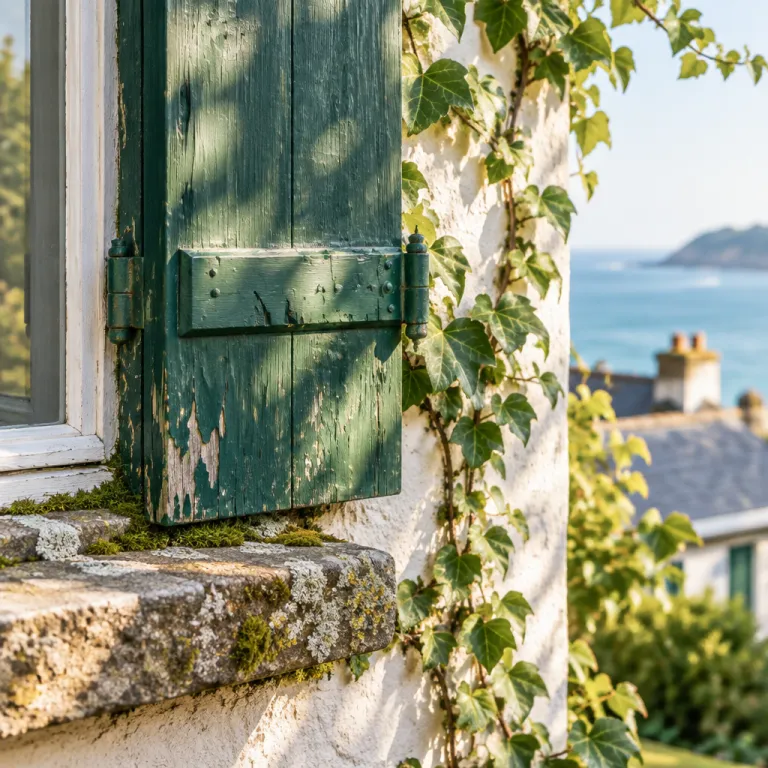
The French Basque identity is visible everywhere in this Luz French resort, from the red and green shutters to the language on street signs. You will hear locals speaking about the Basque Country as naturally as they talk about the weather, and the rhythm of daily life still follows the tides. For a luxury stay, that sense of place matters; it means your time in Saint Jean de Luz feels born from the landscape rather than imposed on it.
History, heritage and the elegance of the bay
Luxury travellers often ask why this French town feels so stately compared with other resorts on the Basque coast. The answer lies partly in history, because Saint Jean de Luz hosted the wedding of Louis XIV to the Spanish Infanta in 1660, and that royal moment shaped the town’s architecture and reputation. Walking along the bay, you pass noble houses that recall this time when the French Basque coast was a stage for European diplomacy.
Near the harbour, Maison Adam still sells its famous gâteau basque, a pastry that has become a symbol of the Pays Basque. The original boutique on Place Louis XIV (open most days from morning until early evening) anchors the square, and many visitors pair a slice of this gâteau basque with a glass of local wine, then stroll towards the covered market known as Les Halles. Around Les Halles, you feel how the Luz town blends daily Basque life with the expectations of guests seeking the best French produce; early in the morning, the smell of grilled peppers and fresh bread drifts out onto the pavement as chefs compare notes with stallholders.
Across the water, the small town of Ciboure faces Saint Jean de Luz and adds another layer of cultural depth. Composer Maurice Ravel was born in Ciboure, and his presence is still evoked in concerts and festivals that animate the bay; summer evenings sometimes bring open-air performances of his music on the quayside. When you book a premium hotel here, such as the historic Grand Hôtel Thalasso & Spa or the beachfront Hôtel La Réserve, you are not just reserving a room on the coast; you are placing yourself inside a living story that links France and Spain, Louis XIV and modern travellers, the bay and the Pyrénées-Atlantiques.
Choosing the right luxury stay in Saint Jean de Luz
Selecting a luxury hotel in Saint Jean de Luz starts with understanding the layout of the bay. Properties along the main beach offer direct access to the sand and sweeping views across the Bay of Biscay, while hotels set back in the Luz town centre provide quieter streets and faster access to Les Halles and the historic quarter. Both options keep you close to the water, but the atmosphere changes subtly between seafront promenade and inner town.
For travellers arriving from Biarritz or San Sebastián, the French Basque hospitality in Saint Jean de Luz often feels more intimate than in larger cities. By car, the journey from Biarritz airport usually takes around 20–30 minutes, while the drive from San Sebastián is often under an hour in normal traffic. Many premium hotels here emphasise personalised service, curated wine lists from France and Spain, and concierge teams who know every corner of the Basque Country. If you are travelling with children, it is worth comparing these properties with other family-friendly addresses in Aquitaine using a specialised guide to hotels where families feel welcome without the resort compromise.
Some guests prefer to stay near Socoa or Fort Socoa, just across the bay from the main town of Saint Jean. This area faces the open Basque coast more directly, and certain rooms frame both the fort and the wider Bay of Biscay. When you compare these locations on a luxury booking website, pay attention to whether the property sits on the sheltered bay of Saint Jean de Luz or on the more exposed shoreline near Socoa, because the light, waves and overall mood differ throughout the day.
Neighbouring gems : Ciboure, Socoa and the wider basque coast
Staying in Saint Jean de Luz places you at the heart of the French Basque coast, with Ciboure and Socoa only a short walk or drive away. Ciboure curves around the inner bay opposite Saint Jean, and its quieter streets appeal to travellers who want the same Luz Basque charm with fewer crowds. From here, views back towards the town of Saint Jean de Luz highlight how the bay shelters both fishing boats and elegant hotels.
Socoa and Fort Socoa guard the entrance to the bay, where the Atlantic from the Bay of Biscay meets the calmer waters of the harbour. Some premium hotels and guesthouses near Socoa offer terraces that look directly onto Fort Socoa, creating a dramatic backdrop at sunrise and sunset. This part of the Basque coast feels slightly wilder than the main beach of Saint Jean de Luz, which can be ideal if you value open horizons and the sound of stronger waves.
Beyond the immediate bay, the Basque Country stretches along the coast towards Biarritz in France and San Sebastián in Spain. A stay in Saint Jean de Luz makes it easy to plan day trips to these cities while returning each evening to the calmer rhythm of this Luz French town. For travellers designing a longer itinerary across Nouvelle-Aquitaine, it can be helpful to balance time on the Basque coast with inland stays, such as a serene riverside escape in Brantôme described in this guide to serene luxury stays in the Venice of Périgord.
Seasonality, timing and how to plan your stay
Timing your visit to Saint Jean de Luz has a direct impact on the character of your stay. In high summer, the bay of Saint Jean de Luz is lively, with families on the beach, sailing schools in the harbour and long evenings on hotel terraces. Many luxury travellers prefer late June or early September, when the sea remains warm but the town feels calmer and the Basque coast regains a slower rhythm.
September in particular can be an excellent time for guests who want to explore both France and Spain from a single base. The roads towards Biarritz, San Sebastián and the inland Pyrénées-Atlantiques are usually less crowded, and you can move easily between the Luz town and nearby villages in the Pays Basque. During this time, markets at Les Halles showcase seasonal produce, and wine lists in the best hotels highlight both French and Spanish bottles that pair well with local seafood.
When planning, consider how much time you want to spend inside the town of Saint Jean compared with excursions along the Basque coast. Some guests book three nights in a seafront hotel on the bay of Saint Jean de Luz, then shift to a quieter address near Ciboure or Socoa for a different perspective on the Bay of Biscay. Others use Saint Jean de Luz as a base for cross-border trips into Spain, taking advantage of the town’s position between Biarritz and San Sebastián while still sleeping each night in a French Basque environment.
Gastronomy, markets and the art of lingering
Food is central to the experience of Saint Jean de Luz, and luxury hotels here understand that guests expect more than standard menus. Breakfasts often feature gâteau basque from Maison Adam, local yogurts and seasonal fruit from Les Halles, creating a direct link between your plate and the Luz town outside. At dinner, chefs draw on both French and Spanish traditions, serving seafood from the bay alongside wines from the Basque Country and wider France.
Les Halles in Saint Jean de Luz is a focal point for anyone who cares about gastronomy, whether you are staying in a hotel or a serviced apartment. Early in the morning, you see chefs from the best restaurants selecting fish, vegetables and cheeses that will appear on tasting menus later that day. Walking through the market, you hear a mix of French, Basque and Spanish, a reminder that this town sits at a cultural crossroads between France and Spain.
Many travellers enjoy pairing a market visit with a slow walk along the harbour towards Ciboure, perhaps stopping for a glass of wine on a terrace facing the bay. From here, the view back to Saint Jean de Luz shows the curve of the Basque coast, the church where Louis XIV was married and the distant outline of the Pyrénées-Atlantiques. If you want to deepen this sense of place, consider reading a detailed city guide such as the one dedicated to a weekend in Saint Jean de Luz where the Basque coast slows down before finalising your booking.
Practical tips for using luxury booking sites in Saint Jean de Luz
When you use a luxury or premium hotel booking website for Saint Jean de Luz, filters become your best ally. Start by selecting the French Basque region or Nouvelle-Aquitaine, then narrow down to the town of Saint Jean de Luz, Ciboure or Socoa depending on your preferred atmosphere. Pay close attention to maps that show whether a property faces the bay of Saint Jean de Luz, the open Bay of Biscay or a quieter street in the Luz town centre.
Room descriptions on these platforms often mention views of Fort Socoa, the harbour, the Basque coast or the Pyrénées-Atlantiques, and these details matter for your overall experience. If you value tranquillity, look for rooms that face inner courtyards or the old town rather than the busiest parts of the coast. Guests who prioritise direct beach access should focus on addresses along the main bay, where you can step from the hotel almost directly onto the sand at any time of day.
Finally, read recent guest reviews with an eye for specifics about service, noise levels and the quality of breakfast, especially references to local products from Les Halles or pâtisseries such as Maison Adam. Comments that mention attentive staff, well-curated wine lists from France and Spain, and helpful guidance on day trips to Biarritz or San Sebastián are strong indicators of a property that understands the expectations of discerning travellers. By combining these qualitative insights with clear information about location on the Basque coast, you can choose a stay in Saint Jean de Luz that feels both luxurious and deeply rooted in the character of the Pays Basque.
Key figures for luxury travel in Saint Jean de Luz and Aquitaine
- According to Atout France’s regional tourism overview for Nouvelle-Aquitaine (for example, the 2022 “Chiffres clés du tourisme en Nouvelle-Aquitaine”, available on the Atout France website), the region is one of the most visited in France, welcoming more than 30 million tourists annually, which underlines the strong demand for quality accommodation along the Basque coast.
- Data from the Comité Régional du Tourisme Nouvelle-Aquitaine, published in its coastal tourism reports and accessible via the CRT Nouvelle-Aquitaine portal, indicate that destinations such as Saint Jean de Luz, Biarritz and nearby resorts account for a majority of overnight stays in the region’s seaside areas, confirming the strategic importance of the Bay of Biscay shoreline for luxury hotels.
- Studies by the Observatoire du Tourisme in the Pyrénées-Atlantiques, summarised in departmental tourism dashboards, show that international visitors, particularly from Spain and northern Europe, represent a growing share of guests in high-end properties, encouraging hotels in Saint Jean de Luz to offer multilingual services and cross-border experiences.
- Market analyses from hospitality consultancies, including annual benchmarking studies on seaside hotels in France, highlight that average daily rates in premium seaside properties along the French Basque coast are significantly higher during July and August compared with shoulder months such as June or September, reflecting strong seasonal demand for upscale stays.
FAQ about luxury stays in Saint Jean de Luz
Is Saint Jean de Luz a good base for exploring both France and Spain ?
Yes, Saint Jean de Luz sits close to the Spanish border, making it an excellent base for day trips to San Sebastián and other towns while remaining firmly within the French Basque environment. Road and rail connections to Biarritz and Bayonne are frequent, and cross-border journeys into Spain are straightforward. Many luxury hotels can arrange private drivers or curated excursions on both sides of the frontier.
Which area of Saint Jean de Luz is best for sea views ?
For uninterrupted sea views, focus on hotels along the main bay of Saint Jean de Luz or near Socoa and Fort Socoa at the entrance to the Bay of Biscay. Properties directly on the promenade usually offer balconies facing the beach and the wider Basque coast. If you prefer a quieter setting with partial sea views, consider addresses in Ciboure overlooking the inner bay.
When is the best time to visit Saint Jean de Luz for a luxury stay ?
Late June and September are often ideal for luxury travellers, because the weather is usually pleasant and the town is less crowded than in peak summer. During these months, you can enjoy the bay, Les Halles and nearby Basque Country villages with more space and calmer streets. High summer offers a livelier atmosphere but also higher prices and fuller beaches.
How many nights should I plan in Saint Jean de Luz ?
A minimum of three nights allows you to experience the bay, the historic town and nearby Ciboure or Socoa without rushing. Many guests choose five to seven nights if they want to combine beach time with excursions to Biarritz, San Sebastián and inland villages in the Pays Basque. Longer stays also give you more opportunities to enjoy the gastronomy at Les Halles and in local restaurants.
Are luxury hotels in Saint Jean de Luz suitable for families ?
Many high-end properties in Saint Jean de Luz welcome families, offering connecting rooms, suites and child-friendly services. The sheltered bay and gently sloping beach make the area particularly suitable for children compared with more exposed parts of the Basque coast. To refine your search, use specialised guides to family-friendly hotels in Aquitaine and check booking site filters for amenities such as kids’ clubs, babysitting and family rooms.