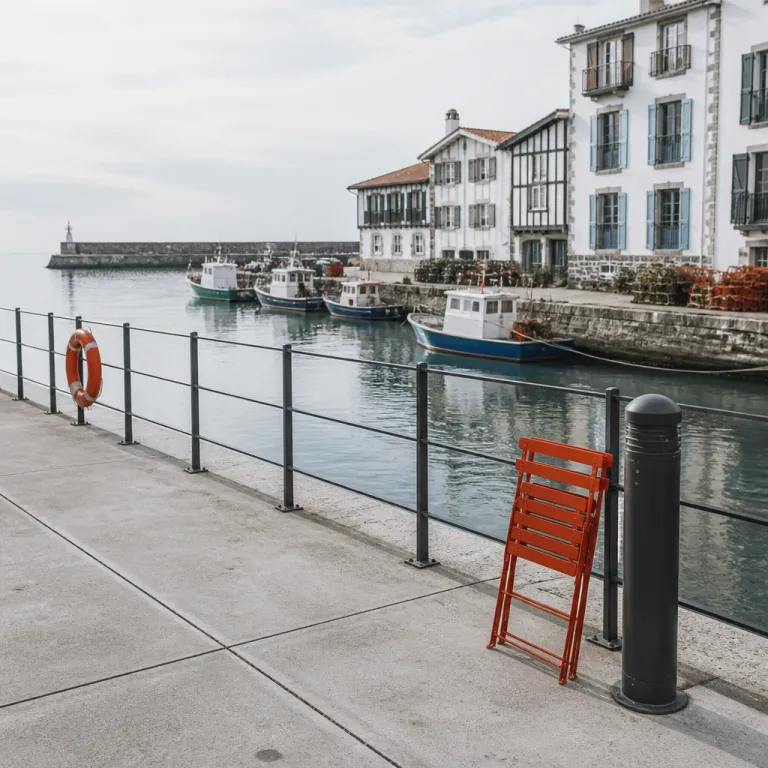
Saint-Jean-de-Luz for couples: why this Basque coast town feels different
Saint-Jean-de-Luz is where the Basque coast exhales and slows down. For a couple planning a refined escape, this town offers a working harbour, a sheltered bay and a lived Basque identity that feels more authentic than many French Atlantic resorts. Any thoughtful weekend guide to Saint-Jean-de-Luz on the Basque coast should start with this sense of rhythm, because it shapes how you book your hotel and how you move through the days.
The town sits in the heart of the French Basque country, a few kilometres from Spain, and its compact center makes it ideal for a weekend without a car. You walk from the fishing port to the Grande Plage in minutes, passing arcaded houses, the church of Saint Jean Baptiste and the shopping streets where local products from the wider Pays Basque fill elegant stores. According to the official Saint-Jean-de-Luz tourism website, summer brings warm weather, long daylight hours and a full calendar of local events that spill out onto squares and the seafront.
Couples choosing Saint-Jean-de-Luz over Biarritz usually want less spectacle and more substance. You still access the full drama of the Basque coast, but you wake to the sound of fishing boats rather than late night clubs, and you spend your euros on a harbour view room or a spa treatment instead of a beach club bed. This guide to a premium Saint-Jean-de-Luz weekend focuses on upscale and luxury stays, but it keeps one eye on the real town, where Basque fishermen, local families and artisans still shape the daily tempo.
Where to stay: harbour views, beach calm or old town charm
For a luxury minded couple, the first decision in any Saint-Jean-de-Luz Basque coast itinerary is location. Do you want to wake to the harbour, step straight onto the sand, or sleep above a quiet village style square in the old town? Each area of Saint-Jean-de-Luz offers a distinct take on French Basque life, and your hotel choice will define how you experience the town.
Harbour facing properties suit travellers who want to feel the working Basque country at dawn. From a room above the quays, you watch the tuna and anchovy boats return, hear auction calls from the criée and see the pastel facades of Ciboure across the water, where Maurice Ravel was born in a modest house in the village center. A refined address such as Hôtel La Réserve, sometimes rendered as La Reserve hotel in English language travel notes, sits slightly above the coast with long sea views towards Spain and gives you a sense of the wider Pays Basque landscape; typical double rooms here often start around the mid to high €200s per night in shoulder season and rise in summer, so advance booking is essential for sea view categories.
If you prefer to step directly onto the Grande Plage, choose a hotel along the seafront curve, where the bay is protected by breakwaters that make it the calmest swimming spot on the Basque coast. These properties are ideal for a romantic stay focused on sea air, spa time and slow breakfasts, and they work especially well for a family that wants safe bathing without waves. For couples who love atmosphere, the streets around rue de la République and the church of Saint Jean Baptiste offer smaller characterful hotels, where you can shop Saint-Jean-de-Luz institutions like Maison Adam or Paries within minutes and feel part of a compact French Basque town rather than a resort strip; for another perspective on Atlantic luxury, see how a chef driven retreat is handled in this piece on a new Île d’Oléron hideaway.
The port and the working Basque identity: from morning criée to txikiteo
The harbour is the soul of Saint-Jean-de-Luz, and any honest weekend in this Basque fishing town starts at the quays. At first light, tuna and anchovy boats slide back into the port, and the morning fish auction sets the tone for the day’s menus across town. This is where you feel that Saint-Jean-de-Luz is still a working Basque coast port, not a stage set for postcards.
Walk the quay from the church of Saint Jean Baptiste towards Ciboure and you pass fishermen repairing nets, families buying directly from the boats and chefs choosing the best of the catch. Restaurants around the harbour serve what arrives that morning, so a plate of grilled chipirons or line caught tuna feels anchored in the real Basque country rather than in generic French seaside cooking. The local tourist board promotes walking tours and culinary experiences here, and guided visits often include a stop at the criée to explain how this fishing economy still shapes the town’s identity.
As evening falls, the same waterfront shifts into a different ritual. Locals and visitors stroll the front de mer promenade, moving between pintxos bars in a Basque version of bar hopping known as txikiteo, and the atmosphere feels closer to a small Spanish town than to a polished French resort; if you are curious how Atlantic coast culture is evolving further north, the article on Biarritz’s Wheels and Waves festival shows a more high octane side of the region. Couples can build an evening around a harbour side apéritif, a seafood dinner and a late walk along the bay, and this slow sequence is one of the reasons many travellers now choose Saint-Jean-de-Luz over Biarritz for a weekend.
History, architecture and Basque grandeur: from Louis XIV to Ciboure
Saint-Jean-de-Luz carries an extraordinary historical weight for such a compact town. The marriage of Louis XIV and the Spanish infanta Maria Theresa took place here, sealing peace between France and Spain and leaving a legacy of grand houses and ceremonial spaces. Any serious Basque coast weekend for culturally curious couples should weave this story into your stay, because it explains why the town looks and feels so distinctive.
Maison Louis XIV on the main square is the most concentrated dose of Basque architectural grandeur, a seventeenth century townhouse where the young king stayed before his wedding. Inside, carved wood, painted ceilings and period furniture show how wealthy shipowners lived at the height of Saint-Jean-de-Luz’s power, and guided tours in English are often available in high season. Across the square, Maison de l’Infante recalls Maria Theresa and her Spanish entourage, and together these houses anchor the town in a narrative that links the French Basque coast to the wider European story.
Cross the bridge to Ciboure and the mood shifts from royal to village, with narrow streets, art galleries and the walk towards the Socoa fort offering a quieter take on Pays Basque life. This side of the harbour feels more like a fishing village than a resort town, and couples who enjoy slow travel often spend a morning here before returning to the livelier center of Saint-Jean-de-Luz. If you are building a longer itinerary through Aquitaine, you can pair this royal and maritime history with vineyard stays around Bordeaux, and the piece on the reinvention of Bordeaux wines offers a useful guide to how the region’s hospitality is evolving.
Gourmet Saint-Jean-de-Luz: from Maison Adam to Espelette pepper
Food is where Saint-Jean-de-Luz most clearly expresses its French Basque identity. A thoughtful weekend in this Basque seaside town for couples should map your days around markets, pastry shops and restaurants that work directly with local products from the wider Basque country. The town’s scale makes this easy, because you can move from the covered market to the harbour and back to the beach in a single unhurried loop.
Start with breakfast or an afternoon pause at Maison Adam, the legendary pâtisserie that has been baking macarons and gâteau basque for centuries, and then cross to Paries, another institution where you can taste kanougas and more variations on Basque pastry. These addresses are not just shops; they are part of the town’s identity, and any guided tour that focuses on gastronomy will usually include them alongside the market stalls selling Espelette pepper, Irouléguy wines and sheep’s milk cheeses from inland villages. Couples who care about terroir will appreciate how these flavours connect Saint-Jean-de-Luz to the hills and valleys of the Pays Basque beyond the coast.
For lunch or dinner, look for menus that name their producers and work with the morning’s catch, because this is where the line between town and country blurs in the most satisfying way. A harbour side restaurant might serve hake in a light Basque sauce, while a more contemporary table in the center plays with Espelette pepper and seasonal vegetables from nearby farms, and both approaches feel rooted in the same Luz Basque culture. Families are well catered for too, with many places offering simple grilled fish and child friendly options, and this balance between gourmet ambition and everyday generosity is one reason culinary tourism is growing strongly here according to regional tourism bodies.
Practical weekend planning: walking routes, guided tours and booking tips
Because Saint-Jean-de-Luz is compact, the best way for couples to enjoy a Basque coast weekend here is to focus on walking routes rather than complex logistics. You can arrive by train, check into your hotel and spend the entire stay on foot, moving between the beach, harbour, old town and Ciboure without stress. This slower pace is part of the luxury here, especially for travellers arriving from long haul flights into Paris or Bordeaux.
The Saint-Jean-de-Luz Tourism Office in the town center offers maps, digital guides and information on guided tours, and their programmes range from historical walks around Maison Louis XIV to culinary circuits that highlight local products. They also coordinate family friendly activities, and their published figures indicate that around 500 000 visitors come each year, with average summer temperatures close to 22 °C according to Météo-France, which makes walking and beach time comfortable. Methods such as self guided walking tours, beach activities and culinary experiences are actively promoted to support local businesses and deepen appreciation of Basque culture.
For a two night stay, plan your days around simple themes. One day can focus on the harbour, Ciboure and the Socoa fort walk, while the other centres on the Grande Plage, Maison Louis XIV and shopping streets like rue de la République, where you can shop Saint-Jean-de-Luz institutions and pick up edible souvenirs such as Espelette pepper or gâteau basque. Book your preferred hotel well in advance for summer weekends, especially if you want a specific view or spa, and consider shoulder season dates if you prefer fewer crowds and a slightly more local rhythm on this stretch of the Basque coast.
Key figures for a Saint-Jean-de-Luz weekend
- Saint-Jean-de-Luz welcomes around 500 000 visitors per year, according to the local tourism office, which means luxury hotels and premium guesthouses often reach high occupancy on summer weekends; this order of magnitude is consistent with figures published by the Nouvelle-Aquitaine Regional Tourism Committee for major coastal towns.
- The average summer temperature is about 22 °C based on Météo-France data for the Basque coast, creating ideal conditions for couples who want to combine beach time with walking tours without extreme heat.
- The town’s compact layout keeps most key sights within roughly 1 kilometre of each other, so you can walk from the harbour to the Grande Plage and the historic center in under 15 minutes, a distance that can be verified on standard online mapping tools.
- Public transport links place Saint-Jean-de-Luz about 20 kilometres from Biarritz and roughly 30 kilometres from San Sebastián by road, making it a practical base between French and Spanish Basque highlights; current journey times and distances are easily checked via regional train and bus planners.
FAQ about a luxury weekend in Saint-Jean-de-Luz
What is the best time to visit Saint-Jean-de-Luz for a weekend ?
Summer is the most popular period, and the Saint-Jean-de-Luz Tourism Office confirms that “Summer months offer warm weather and vibrant local events.” Shoulder seasons in late spring and early autumn are excellent for couples who prefer fewer crowds but still want mild temperatures and open restaurants. Winter weekends feel quieter and more local, with bracing walks along the Basque coast and cosy hotel lounges.
Are there guided tours available in Saint-Jean-de-Luz ?
Yes, the tourism office runs a full programme of guided tours covering history, architecture, gastronomy and the fishing port. Options range from classic walks around Maison Louis XIV and the church of Saint Jean Baptiste to themed culinary tours that include tastings at Maison Adam, Paries and the covered market. In high season, it is wise to reserve your preferred guided tour in advance, especially for English language departures.
Is Saint-Jean-de-Luz suitable for a family weekend as well as couples ?
The calm waters of the Grande Plage, protected by breakwaters, make Saint-Jean-de-Luz one of the safest swimming spots on the Basque coast for children. The tourism office explicitly highlights that “Saint-Jean-de-Luz is family-friendly, with its calm beaches and family activities,” and many hotels offer family rooms or connecting options. A couple travelling with children can still enjoy good restaurants and harbour walks, because distances are short and the town feels manageable.
How far in advance should I book a luxury hotel in Saint-Jean-de-Luz ?
For peak summer weekends and major events, you should book your preferred hotel several months ahead, especially if you want a harbour view or direct beach access. Shoulder season stays can sometimes be arranged closer to the date, but the most characterful properties in the old town still fill quickly on Fridays and Saturdays. If your dates are fixed, treat accommodation as the first element to secure, then layer in restaurant reservations and guided tours.
Can I enjoy Saint-Jean-de-Luz without a car ?
Yes, the town is particularly well suited to a car free weekend, because the station, harbour, beach and historic center all sit within walking distance. Regional trains and buses connect Saint-Jean-de-Luz to Biarritz, Bayonne and Hendaye, and from there to Spain, so you can combine French and Spanish Basque experiences without driving. Many luxury and premium hotels also help arrange transfers or taxis if you want to explore inland villages for a day.
Sources and further reading
- Saint-Jean-de-Luz Tourism Office
- Météo-France
- Nouvelle-Aquitaine Regional Tourism Committee