Why Bordeaux’s vineyard reset is reshaping your château stay
Bordeaux is quietly rewriting its own rulebook, and the shift is visible from your hotel terrace. With vineyard area now around 86,000 hectares according to recent CIVB estimates (CIVB, “Bilan 2023 du Vignoble Bordelais”, published March 2024), the Bordeaux wine landscape has shrunk, and that smaller footprint is translating into more focused, more intimate visits for guests. For travelers planning a luxury stay and a Bordeaux wine tasting focused on new styles and Crémant de Bordeaux releases ahead of 2026, this means fewer buses, more time with the winemaker, and a tasting line-up that feels curated rather than industrial.
Between 2018 and 2023, production has fallen by roughly 10–12 percent in the wider wine region, a trend highlighted in CIVB harvest summaries and echoed in Wein.plus coverage of Bordeaux’s modernization strategy (Wein.plus, “Bordeaux: Weniger Menge, mehr Wert”, 2023). In response, many wineries are prioritizing higher value experiences over volume tourism. At leading Bordeaux estates on the Left Bank and in the Médoc, a standard wine tour now often caps groups at 8 to 10 guests, with 90 to 120 minutes reserved for cellar access, vineyard walks, and seated wine tastings. At properties such as Château Pape Clément or Château Lynch-Bages, that shift makes a half-day visit Bordeaux program feel more like a private seminar in terroir than a rushed excursion; as one Lynch-Bages guide put it during a 2022 tasting of the 2018 vintage, “we would rather host fewer people and actually talk to them.”
Luxury hotels have followed suit, partnering with specific winery estates rather than offering generic wine tours across dozens of châteaux. In practice, that means your concierge can secure a private tasting Bordeaux session at a grand cru or cru classé château, often outside normal opening hours. When you frame your stay around Bordeaux wine tasting experiences that highlight new styles and Crémant de Bordeaux, you are no longer just booking rooms near vineyards; you are reserving access to a smaller, more ambitious circle of producers whose names and vintages you will remember long after checkout.
From boardroom to barrel room: where to stay for new style tastings
For a summer business-leisure trip, the smartest move is to anchor your stay in or around Bordeaux city, then radiate out to carefully chosen wineries Bordeaux side by side with your meetings. High-end properties near the Garonne now curate Bordeaux wine tasting itineraries built around new styles and Crémant de Bordeaux that balance Médoc power with the freshness of sparkling wines and lighter reds. Many offer chauffeured wine tours with precise timing, so you can leave the lobby at 09:00, reach a Left Bank winery in 45 minutes, and still be back at your laptop by late afternoon.
On the Left Bank, Médoc and Pessac-Léognan estates are increasingly pairing their structured Bordeaux wines with sparkling flights, often serving Crémant as an aperitif in barrel halls where the winemaker’s dog still sleeps between the rows. A typical half-day program now includes a walk through the vines, a technical explanation of how shorter maceration creates lighter wine styles, and a seated wine tasting that moves from Crémant to white, then to more restrained reds. For those who want the stay itself to feel like part of the tasting, vineyard estate hotels that quite literally let you sleep among the vines are setting the new standard for immersion; see our guide to wine estate hotels that blur the line between stay and experience.
Inland, around Libourne Bordeaux and Saint-Émilion, luxury guesthouses and five-star properties are tightening their relationships with nearby wineries. Many now offer private transfers for evening food and wine pairings at family-run estates, where a single grand cru or cru classé château might pour both classic Bordeaux wine and a new Crémant cuvée at the same table. During one recent dinner at a Saint-Émilion grand cru property, for example, guests tasted a 2019 Merlot-based red alongside the estate’s first Crémant de Bordeaux, served with local oysters. For travelers used to anonymous corporate hospitality, this blend of polished service and family winery warmth is precisely what makes Aquitaine’s vineyard estates compelling.
Clairet, Crémant, and lighter reds: how tasting flights are changing
If your last visit Bordeaux trip revolved around dense reds and long verticals, prepare for a different rhythm in the glass. Bordeaux winemakers are now pouring Crémant, Clairet, and lighter reds alongside the region’s traditional wines, and that evolution is front and center in every serious wine tasting. As one local FAQ puts it without hedging, “What is Crémant de Bordeaux?” and “How does Clairet differ from rosé?” sit next to “Why is Bordeaux producing lighter reds?” in the same breath.
Crémant de Bordeaux has expanded rapidly over the past decade, with CIVB data indicating production has roughly quadrupled since the early 2010s (CIVB, “Crémant de Bordeaux – Chiffres Clés”, updated 2023), and many châteaux now open a bottle as the first pour of their wine tastings. During a typical Bordeaux wine tasting focused on new styles and Crémant, you might start with an Extra Brut Crémant, move to a Sémillon-driven white, then taste a chillable Clairet before any structured reds appear. That sequence lets visitors understand how the same Bordeaux wine region can express freshness, fruit, and finesse long before the grand cru or cru classé labels come out.
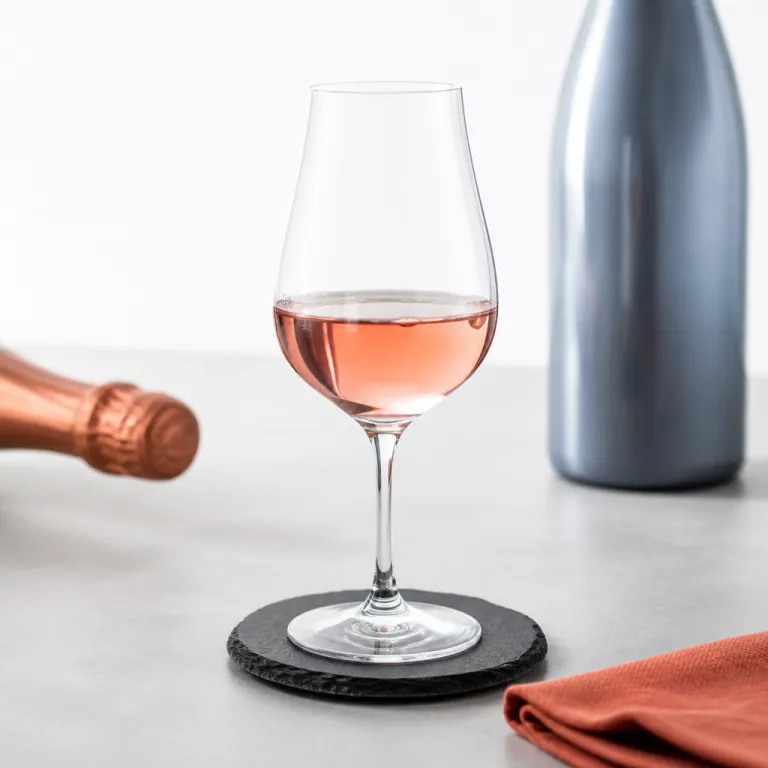
Clairet, the deeper-coloured cousin of rosé that once gave English speakers the word “claret”, is enjoying a quiet renaissance in Saint-Émilion and the surrounding villages. Many Saint-Émilion grand cru estates now include a Clairet in their tasting Bordeaux flights, often served slightly chilled on shaded terraces overlooking the vineyards. If you are planning a day around the medieval village, our detailed guide to Saint Émilion beyond the tasting room pairs naturally with a schedule of morning cellar visits and late afternoon Clairet by the cloister.
Designing a summer itinerary around Bordeaux’s new style wineries
For a business traveler turning a two-day conference into a four-day stay, the key is to structure your time with the same precision you bring to meetings. Start with a half day on the Left Bank, focusing on one Médoc cru classé winery and one Pessac-Léognan estate that both feature Crémant and lighter reds in their wine tours. Aim for 90 minutes at each property, leaving space for a relaxed lunch where food and wine pairings highlight how Clairet and Crémant handle summer dishes better than heavier Bordeaux wines.
On another day, shift to the Right Bank, using Libourne Bordeaux as a practical rail hub and gateway to Saint-Émilion. Here, family wineries often offer more flexible private appointments, which suits executives juggling calls and client dinners, and many Saint-Émilion grand cru estates now build Bordeaux wine tasting flights that showcase new styles and Crémant into their standard programs. A carefully chosen mix of one larger winery and one smaller family property gives you both technical depth and the human stories that make a visit memorable.
To weave culture into the glass, consider linking your vineyard days with a night or two along the historic pilgrimage routes that cross Aquitaine. Our feature on where the Way of St James meets luxury in Aquitaine shows how high-end hotels now combine spa programs, quiet workspaces, and access to nearby wineries Bordeaux wide. In a region targeting lighter bottles, more reusable packaging, and an ambitious cut of around 50 percent in greenhouse gas emissions by the next decade, as outlined in CIVB and Wein.plus reporting on sustainability roadmaps, choosing stays and tours that respect this new direction is part of the pleasure.
FAQ
What is Crémant de Bordeaux and how is it made?
Crémant de Bordeaux is a sparkling wine produced using the traditional method, with a second fermentation in the bottle and extended ageing on lees. Many châteaux now use modern temperature-controlled equipment and selective harvesting to preserve freshness in these wines. During a typical visit, you will often taste Crémant first, before moving on to still wines.
How does Clairet differ from a classic rosé?
Clairet sits between rosé and light red wine, with a deeper colour and more texture than most rosés. It is made with a slightly longer maceration on the skins, which gives more body while keeping the wine chillable and refreshing. In Bordeaux, Clairet is increasingly positioned as a summer wine, often served cool on terraces overlooking the vines.
Why are Bordeaux estates producing lighter reds now?
Producers are responding to warmer growing seasons and changing consumer tastes that favour fresher, more drinkable wines. Shorter maceration times and careful temperature control help maintain balance and moderate alcohol in these lighter reds. For visitors, this means tasting flights that feel more versatile with food and more suited to daytime visits.
How much time should I plan for a château visit with tastings?
Most serious wine tours in Bordeaux require at least 90 minutes on site, and many estates now recommend two hours for a full visit and seated tasting. If you want to include both cellar access and a relaxed Bordeaux wine tasting flight that highlights new styles and Crémant, plan a half day for two properties. This timing works well for business travelers who need to balance vineyard time with work commitments.
Can I bring my family on Bordeaux wine tastings?
Many wineries welcome family groups, especially those with outdoor spaces and flexible tasting rooms. Some estates offer shorter, more informal tastings or garden walks that suit mixed-age parties, while still pouring serious wines for adults. When booking through a luxury hotel concierge, specify that you need family-friendly visits so they can select appropriate châteaux.
References
CIVB (Conseil Interprofessionnel du Vin de Bordeaux) presentations and official statistics on vineyard surface and production volumes (notably 2018–2023 updates), including “Bilan 2023 du Vignoble Bordelais” (March 2024) and “Crémant de Bordeaux – Chiffres Clés” (updated 2023).
Wein.plus reporting on Bordeaux’s modernization strategy, production trends, and sustainability targets, including greenhouse gas reduction goals, for example “Bordeaux: Weniger Menge, mehr Wert” (2023) and recent articles on climate adaptation.
Bordeaux.com technical sheets and educational materials on Crémant de Bordeaux, Clairet, and regional appellations, consulted for definitions and production methods.