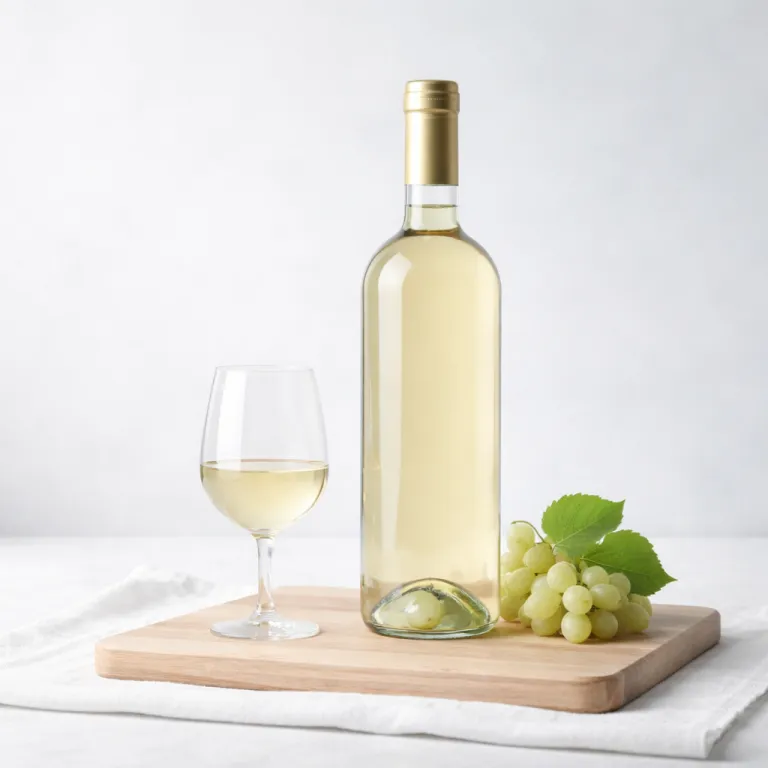
Why Médoc white wines matter now for luxury travelers
The Médoc has long meant structured red wines and long lunches in grand dining rooms. Today, a quiet shift in Médoc white wine production is reshaping how high-end travelers experience this Atlantic-facing region. For guests choosing a luxury hotel in Bordeaux, France or along the estuary, this emerging chapter in Médoc wines influences where you stay, what you taste, and how you plan each day.
In recent years, French authorities have moved toward recognizing Médoc Blanc as a distinct category within the wider Bordeaux wine landscape, giving white wines from this area a clearer identity beside classic labels. While formal regulatory details continue to evolve, the practical result is that the Médoc designation for whites now appears alongside famous red appellations such as Pauillac or Saint-Julien, with a focus on white grape varieties that feel tailor-made for seafood-driven gastronomy. When you read hotel wine lists in Haut-Médoc or central Médoc, you increasingly see Médoc white bottlings and other local blancs appear beside cru bourgeois reds and classified growths.
For travelers booking premium stays, this is not an abstract story about French wine law. It is a concrete guide to what will be in your glass when you sit down to oysters, grilled fish, or a refined tasting menu in Bordeaux, France. Luxury properties now curate wine tours that include both reds based on Cabernet Sauvignon and new white cuvées built on Sauvignon Blanc and Sémillon, allowing you to compare styles without leaving the same château estate.
From Cabernet stronghold to Médoc Blanc AOC : how the change happened
For centuries, the Médoc region has been shorthand for structured red wines built on Cabernet and Merlot, with vineyards stretching north from Bordeaux along the Gironde estuary. Behind the scenes, though, some estates quietly maintained parcels of white grape vines, producing family wines that rarely appeared on export markets or carried a dedicated Médoc label. The recent recognition of Médoc Blanc as its own appellation framework acknowledges this history and gives white wines from this region a defined place within the broader map of Bordeaux wines.
The Médoc Winegrowers’ Association has publicly described how producers compiled historical records and technical specifications before submitting them to the Institut National de l’Origine et de la Qualité (INAO), the body that oversees French appellations. Official communications from regional trade bodies explain that the goal was to “recognize historical white wine production and provide official status” to these cuvées. For travelers staying in luxury hotels in Bordeaux for an elegant stay in the heart of the city and vineyards, this regulatory evolution means that wine tours can now highlight both Médoc reds and the emerging Médoc Blanc category with growing authority.
The shift also reflects changing tastes in French wines and international markets, where demand for fresh, gastronomic whites has grown. Climate change has encouraged some estates in Haut-Médoc and central Médoc to experiment with grape varieties that handle heat better, and trade sources report that white grape plantings now cover more than 200 hectares in the area. When you plan a stay in a château hotel, you can expect cellar visits that explain how Sauvignon Blanc, Sémillon, and other permitted grapes are reshaping the region’s identity beside its famous reds.
Grape varieties, tasting profiles and what to expect in your glass
A practical Médoc white wine overview for travelers starts with understanding which grape varieties you will meet in the glass. The Médoc Blanc framework allows Sauvignon Blanc, Sémillon, Muscadelle, Sauvignon Gris and several experimental grapes, giving winemakers a broad palette to balance freshness, texture, and aromatics. While Cabernet Sauvignon still dominates red wines from the region, these white varieties are now the focus when you tour cellars that once poured only reds.
Expect many Médoc white wines to lean on Sauvignon Blanc for tension and citrus notes, with Sémillon adding weight, waxy texture, and a subtle honeyed edge. Early tastings from leading châteaux show pale wines with bright acidity, saline finishes, and discreet oak, clearly designed for pairing with seafood rather than heavy meat dishes. When you read tasting notes at elegant hotels in Bordeaux for a refined stay in the wine capital of France, you will see descriptors like grapefruit zest, white peach, and crushed shell rather than the cassis and cedar typical of Médoc reds.
Some estates in Haut-Médoc are already experimenting with partial barrel fermentation to give their whites more gastronomic depth without losing the Atlantic freshness that defines this region. Others keep their wines in stainless steel to emphasize purity, creating crisp styles that sit comfortably beside classic Bordeaux blanc from other parts of Bordeaux, France. As you move between vineyards on guided wine tours, you will taste how different châteaux interpret the same guidelines, turning Médoc Blanc into a patchwork of styles that reward curious travelers.
Where to stay : château estates and luxury hotels embracing Médoc Blanc
Choosing the right base is essential if you want your interest in Médoc white wines to translate into memorable nights rather than just daytime tastings. Along the D2 wine route, several château estates now operate luxury accommodation where you can sleep above the cellar and wake to views of vineyards stretching toward the Gironde. These properties often pour both structured reds and new whites at dinner, giving you a front-row seat to the region’s evolution.
In Haut-Médoc, some cru bourgeois estates have converted historic chartreuses into refined guesthouses with only a handful of rooms, ideal for solo explorers who prefer quiet over crowds. Here you might taste a vertical of Médoc wines, moving from older Cabernet Sauvignon vintages to the first releases of local blancs, guided by the same cellar master. Staff are usually happy to arrange private wine tours that include neighboring châteaux, allowing you to compare how different vineyards handle white grape plantings within the same appellation.
Travelers who prefer a coastal atmosphere can pair Médoc tastings with Atlantic air by staying further west, then planning day trips inland to key estates. For a broader gastronomic itinerary that links the Médoc with the ocean, consider reading about Pierre Gagnaire’s Atlantic-facing project at MGallery’s new Oléron retreat on stay in Aquitaine, which shows how top-level French wine lists now integrate both Bordeaux blanc and structured reds. Whether you choose a château stay or a design-forward city hotel, prioritize properties whose concierges understand the nuances of Médoc whites and can secure appointments at estates where the region is entering a new white era.
From oysters to tasting menus : how Médoc whites reshape local gastronomy
The Médoc has long been the land of entrecôte à la bordelaise, duck, and slow lunches built around red wines. With Médoc Blanc now officially recognized, chefs from Bordeaux to the Atlantic coast are rethinking pairings and giving white wines a starring role beside seafood and lighter dishes. For travelers using information on Médoc white wines to plan meals, this means more flexibility and more reasons to linger at the table.
On the estuary and along the nearby Atlantic, platters of oysters from the Bassin d’Arcachon or Marennes-Oléron now meet glasses of Médoc blanc instead of only generic Bordeaux blanc. The saline edge and citrus-driven profiles of these whites echo the ocean, while a touch of Sémillon richness stands up to grilled turbot, roasted langoustines, or refined vegetable courses. In many dining rooms, sommeliers now pour flights that move from a crisp white aperitif to structured red wines with the main course, all sourced from vineyards within the same Médoc appellation.
This shift also influences how luxury hotels design their restaurant concepts and room service menus. Some properties in Bordeaux, France now offer themed dinners that compare Médoc whites with other French wine regions, showing how grape varieties behave differently in each terroir. When you read the wine list, look for sections dedicated to Médoc wines in both colors, and do not hesitate to ask for a glass of Médoc blanc with cheese or even dessert, where its freshness can cut through richer dishes in a way traditional reds cannot.
Planning your Médoc white wine stay : practical tips and insider routes
Turning an interest in Médoc white wines into a real trip starts with timing and logistics. Many estates now release their Médoc Blanc cuvées in spring, making late spring and early summer ideal for tasting fresh vintages alongside structured reds. Booking a stay of at least three nights allows you to combine vineyard visits, Atlantic excursions, and time in Bordeaux city without rushing.
When arranging wine tours, contact châteaux directly or ask your hotel concierge to secure appointments, especially at smaller estates where tastings are by reservation only. Some properties offer dedicated Médoc Blanc experiences that focus on white grape parcels, cellar techniques, and comparative tastings with classic Bordeaux wine styles from other appellations. If you prefer a city base, consult guides to luxury hotels in Bordeaux for an elegant stay in the heart of the city and vineyards, then build day trips north into Haut-Médoc and beyond.
Solo travelers often appreciate the structure of small-group tours that link several vineyards in one day, balancing Médoc wines in red and white while someone else handles the driving. Others may opt for a private driver to move between châteaux, oyster huts, and Atlantic beaches at their own pace. Either way, keep an eye on how each estate positions its Médoc Blanc wines within the broader portfolio, because those choices tell you how deeply the region has embraced this new white chapter beside its historic Cabernet Sauvignon-based reds.
Key figures behind the Médoc Blanc AOC shift
- Regional trade publications report that white wine production in Médoc reached close to 9,500 hectoliters in the first dedicated Médoc Blanc campaign, showing that whites remain a niche but significant complement to red wines. Exact volumes may vary slightly by source and vintage.
- Industry briefings have cited around 80–90 producers engaged in Médoc Blanc production at the time of the first releases, indicating broad interest across different châteaux and cru bourgeois estates rather than a single flagship project.
- Approximately 200 hectares of vineyards are planted with white grape varieties in the Médoc region, a small fraction of total vineyard area but a clear sign of diversification beyond Cabernet Sauvignon. Figures are regularly updated by local grower organizations.
- Regulators and producers worked together from initial initiatives in the late 2010s through formal presentations in the early 2020s before final approval, reflecting a multi-year process of aligning historical practice with modern appellation rules.
FAQ about Médoc Blanc and planning a white wine focused stay
What grape varieties are allowed in Médoc Blanc AOC ?
What grape varieties are allowed in Médoc Blanc AOC? Sauvignon Blanc, Sémillon, Muscadelle, Sauvignon Gris, and experimental varieties such as Alvarinho, Floréal, Liliorila, Sauvignac, and Souvignier Gris are currently referenced in regional communications. For travelers, this means tastings will showcase both classic Bordeaux blanc grapes and newer options adapted to the Atlantic climate.
When will Médoc Blanc wines be widely available to taste ?
The first significant wave of Médoc Blanc bottlings is scheduled to reach the market in spring in most years, with many estates planning releases around April to align with tourism and restaurant seasons. If you want to build Médoc white wine discoveries into your trip, plan visits from late spring onward to ensure a broad choice of current vintages.
Why was the Médoc Blanc AOC created for this traditionally red region ?
The appellation was established to give official status to white wines that had long existed informally, and to differentiate them from generic Bordeaux blanc produced elsewhere. For visitors, this means that when a label states Médoc Blanc AOC, the wine comes from specific vineyards in the Médoc region and follows defined production rules, just like the famous red appellations.
Can I taste both red and white Médoc wines at the same château ?
Many estates now produce both colors, so it is increasingly common to taste Cabernet Sauvignon-based reds and Médoc Blanc whites in a single visit. When booking wine tours, ask explicitly whether the château offers white wine tastings, because some producers are still planting white grape parcels and may have limited quantities available.
How should I choose accommodation for a Médoc white wine focused trip ?
Look for château hotels or luxury properties whose wine programs highlight both red wines and Médoc Blanc, and whose concierges can arrange appointments at estates producing white wines. City-based travelers can stay in elegant hotels in Bordeaux for a refined stay in the wine capital of France, then use private drivers or curated tours to reach Médoc vineyards that are leading this new white chapter.
Trusted references for further reading
- Institut National de l’Origine et de la Qualité (INAO) – official body overseeing French appellations
- Médoc Winegrowers’ Association (ODG Médoc) – regional organization representing producers
- Specialist wine press such as Meininger’s International and Decanter Bordeaux reports for detailed trade coverage