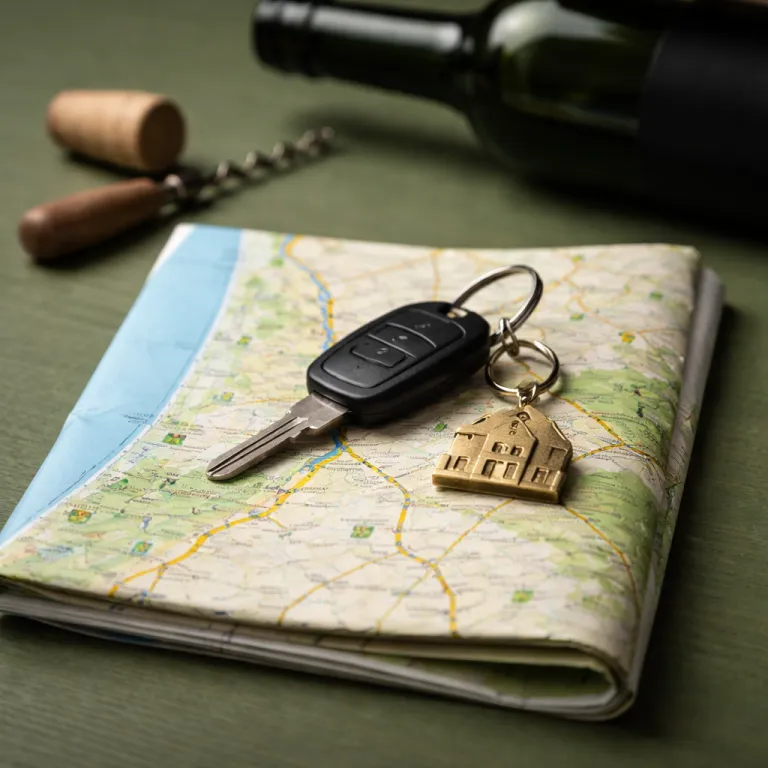
Designing your own route des châteaux Médoc guide from Bordeaux
Begin your Médoc wine route with a calm morning departure from Bordeaux. The departmental road D2, often called the Route des Châteaux, runs for just under 80 km between Blanquefort and Saint-Seurin-de-Cadourne through some of the most famous vineyards in the region.[1] Plan your itinerary so that each wine tour feels unhurried and every visit remains intimate.
For a first day, limit yourself to three châteaux in one or two appellations such as Margaux and Pauillac, because each tasting and cellar walk easily stretches to ninety minutes. This self driven Médoc castle route works best when you alternate structured tour tasting sessions with simple vineyard walks or a quiet lunch in a village square. Couples who enjoy slow travel will appreciate how the road reveals each chateau and its surrounding vineyards in a sequence that feels almost cinematic.
Most travelers start the route north of Bordeaux, crossing the Garonne to reach the Haut Médoc before easing into the heart of the Médoc wine region. Use the official Office de Tourisme du Médoc maps as your primary guide, then refine your schedule with the châteaux’ own online booking tools. The tourism office itself advises: « Contacter l'Office de Tourisme du Médoc pour informations et réservations. »
Spring and autumn remain the best seasons for a Médoc wine tour, with May offering particularly gentle light and fewer crowds along the wine road. In high summer, schedule tastings early or late in the day, leaving the hottest hours for a shaded terrace or your luxury hotel pool. Winter brings a quieter, more contemplative mood, when a grand cru cellar visit followed by a firelit dinner in a château hotel feels perfectly aligned with the season.
From central Bordeaux, allow around 45 minutes to reach the southern end of the D2 by car, and roughly 30 to 40 minutes between major appellations such as Margaux, Pauillac and Saint Estèphe. Parking is usually free at estates but often limited to marked areas near the cellars, and some properties close their gates outside booked time slots, so arrive a little early and keep confirmation emails handy. Public transport is sparse once you leave the city, though seasonal buses and occasional train connections to Pauillac or Margaux can work if you then rely on taxis or pre-booked drivers for the final stretch.
From Bordeaux to Margaux and Haut Médoc : where to stay in style
The first stretch of the wine route from Bordeaux to Margaux passes through the Haut Médoc, where gravel soils and Atlantic breezes shape structured red wines. Many travelers choose to base themselves in the city before driving out, using a refined hotel as an urban anchor between vineyard days. If you want an elegant stay in the wine capital itself, this curated selection of elegant hotels in Bordeaux pairs beautifully with a Médoc itinerary.
Once you cross into the Margaux appellation, the landscape tightens and the architecture shifts, with tree lined drives leading to classical façades and sculpted parterres. Here, a thoughtful Médoc driving guide will always include at least one visit to a cru classé estate and one to a smaller family property, so you can compare grand vin expressions with more understated wines. Châteaux in Margaux often highlight Cabernet Sauvignon and Merlot blends, but pay attention when a winemaker pours a cuvée with a higher proportion of Petit Verdot, because the grape thrives in these warm gravel parcels.
Château Margaux remains the emblem of the appellation, and a visit to its cellars and vineyards anchors any serious Médoc wine tour. Nearby, Château Lascombes offers another perspective on Margaux terroir, with its own cru classé status and a style that balances power with perfume. When booking, remember that most châteaux require reservations for every tour tasting, even outside peak season, and many now offer bilingual guides who can explain the nuances of each cru in clear, precise English.
Luxury minded couples often split their nights between a high end hotel in Bordeaux and a quieter château stay in the Haut Médoc, creating a rhythm between city energy and vineyard calm. Look for properties that can arrange private transfers along the Médoc wine route if you prefer not to drive after a long tasting day. Some estates also provide on site wine shops, allowing you to buy Médoc wines directly after your visit without worrying about logistics later in the trip.
Appellation by appellation : Margaux, Saint Julien, Pauillac and Saint Estèphe
North of Margaux, the D2 continues through a sequence of appellations that every serious Bordeaux wine lover should experience at least once. Saint Julien comes first, compact yet dense with classed growths, where Cabernet Sauvignon often leads and Cabernet Franc plays a subtle supporting role. The wines here tend to show a poised balance between Margaux finesse and Pauillac power, which makes a comparative tasting particularly instructive for curious couples.
Pauillac, home to names like Château Latour, Château Lafite Rothschild and Château Mouton Rothschild, forms the muscular heart of many Médoc wine narratives. A well structured Médoc château itinerary will encourage you to book at least two Pauillac visits, ideally one at a premier grand cru classé and another at a less famous cru, so you can see how the same gravel terraces yield different styles. Expect deep coloured wines with firm tannins, often dominated by Cabernet Sauvignon, that reward both patience and attentive tasting.
Continuing north, Saint Estèphe feels wilder, with more clay in the soils and a slightly cooler microclimate that shapes robust, sometimes brooding wines. Here, Cabernet Franc and Merlot can play larger roles alongside Cabernet Sauvignon, giving a different texture to the grand vin of each chateau. Many travelers underestimate this appellation, but a focused tour tasting in Saint Estèphe often becomes a highlight, especially when paired with local cuisine in a village restaurant after your cellar visit.
Throughout these appellations, luxury hotels remain relatively scarce, which is why many travelers choose to sleep in Bordeaux and drive out each day. If you prefer to stay closer to the vineyards, consider high end guesthouses attached to working châteaux Médoc estates, where you wake up among the vines themselves. For a contrasting experience on another day of your trip, this curated overview of luxury hotels in Bordeaux helps you pair city stays with vineyard excursions across the wider wine region.
How to book tastings, tours and lunches along the Médoc wine route
Successful self guided wine travel in the Médoc depends on meticulous advance reservations. Most châteaux now operate on a strict booking system, with fixed time slots for each tour and tasting, and very few accept spontaneous visits at the gate. Aim to secure your appointments at least two weeks ahead for major names, especially if you want English language guides or private experiences.
When planning your Médoc wine route, alternate technical cellar tours with shorter, more relaxed tastings to avoid fatigue. A typical visit includes a walk through the vineyards, an explanation of the cru classé system, a look at the barrel cellar and a seated tasting of two or three wines, often including the grand vin and a second label. Ask specifically if the estate produces any white Médoc wine under the new AOC rules, because these limited cuvées offer a refreshing counterpoint to the classic reds.[2]
Many estates now integrate food into their experiences, from simple cheese plates to full gastronomic lunches served in château dining rooms. For couples, a leisurely lunch between two visits can transform a busy wine tour into a romantic day, especially when paired with a glass of chilled white Bordeaux wine on a shaded terrace. Reserve these meals at the same time as your tastings, and confirm whether the property can accommodate dietary preferences without compromising the pairing with their wines.
Do not overlook the smaller wine shops in villages along the Médoc road, where you can compare bottles from multiple châteaux Médoc estates in one place. These shops often stock both famous grand cru labels and more modest crus from the wider region, giving you a broader view of Médoc wine styles. For logistics, consider staying in a luxury hotel that offers concierge support for booking visits and arranging a driver, so you can enjoy each tasting without worrying about the road back to your room.
New Médoc whites, grape varieties and what to taste where
The Médoc has long been synonymous with structured red wines, yet the recent authorization of white Médoc wine under the AOC quietly reshapes the tasting landscape.[3] For travelers following a detailed Médoc tasting guide, this means you can now plan sessions that move from classic Cabernet Sauvignon based reds to vibrant whites within the same appellation. Ask each chateau whether they produce a white cuvée, because quantities remain small and often require advance booking.
Red blends across the region still lean heavily on Cabernet Sauvignon, supported by Merlot, Cabernet Franc and, in some parcels, Petit Verdot that brings colour and spice. In Margaux and Saint Julien, you will often taste wines where Cabernet Franc adds lift to the bouquet, while Petit Verdot appears in smaller percentages to sharpen structure. Further north in Saint Estèphe and parts of the Haut Médoc, the blends can shift slightly, with Merlot and Cabernet Franc playing more prominent roles in certain grand vin expressions.
When planning your tastings, seek out châteaux that offer vertical flights of older vintages alongside current releases, because this shows how Médoc wines evolve over time. A tour tasting that includes both a young grand cru and a mature bottle from the same estate can be revelatory, especially for couples considering which wines to cellar at home. Many estates also pour a second wine that offers a more approachable style at a gentler price, ideal for enjoying soon after your visit.
White Médoc wines, often based on Sauvignon Blanc and Sémillon, pair beautifully with seafood lunches along the estuary or light dishes in château kitchens. These whites add welcome freshness to a day dominated by structured reds, and they highlight how the wine region continues to innovate without losing its identity. When you return to your luxury hotel in Aquitaine, consider ordering a glass of Médoc white at the bar, then compare it mentally with what you tasted along the Médoc wine route earlier that day.
Luxury stays, logistics and safety for couples on the Route des Châteaux
Choosing the right base transforms a Médoc road trip from a simple wine route into a deeply relaxing escape. Many couples opt for a two centre stay, combining a design forward hotel in Bordeaux with one or two nights in a château property surrounded by vineyards. This approach allows you to enjoy both the cultural life of the city and the quiet rhythm of the Médoc countryside without long daily drives.
For those who prefer to stay closer to the vines yet still within easy reach of Bordeaux, the hilltop village of Bouliac offers a compelling compromise. Properties like the Saint James, recently profiled in detail in this feature on a landmark design hotel overlooking the Garonne, give you panoramic views of the wider wine region while keeping the Médoc an easy day trip away. From such bases, you can reach the start of the D2 in under an hour, then follow your personalized Médoc château route north through the appellations.
Responsible tasting remains essential on any self driven wine tour, especially when multiple châteaux visits fill a single day. Consider hiring a private driver for at least one day of intensive tastings, or alternate driving duties within the couple while the passenger focuses on the wines. Many luxury hotels in Aquitaine can arrange these services through trusted partners, ensuring that you can enjoy each grand cru and cru classé sample without compromising safety on the road.
Finally, build buffer time into your schedule, because conversations with winemakers, unplanned walks through vineyards and lingering over a glass in a château salon are precisely what make this journey special. A thoughtful Médoc wine travel plan does not cram every famous name into one frantic day; it curates a sequence of visits that reflect your tastes and your pace. When you return to your hotel each evening, the memories that stay with you will be the quiet details: the scent of a barrel cellar, the way the light fell on a row of Cabernet Sauvignon vines, the shared silence after a particularly moving tasting.
Key figures on the Route des Châteaux in the Médoc
- The core Route des Châteaux along the D2 runs for roughly 80 km through the Médoc between Blanquefort and Saint-Seurin-de-Cadourne, allowing a comfortable day trip with three to four château visits when driving from Bordeaux (source: Conseil Départemental de la Gironde).[1]
- The road crosses several distinct appellations, including Margaux, Haut Médoc, Saint Julien, Pauillac and Saint Estèphe, which means a single wine tour can showcase a wide spectrum of Bordeaux wine styles (source: Médoc tourism office).
- Local tourism bodies report steady growth in wine tourism along the route, with interactive mobile guides and online booking tools now standard at many châteaux viticoles, improving access for independent travelers.
- Spring and autumn remain the most requested seasons for visits, as they combine comfortable temperatures with key vineyard activities such as budbreak or harvest, leading to higher demand for luxury hotels in Aquitaine during these periods.
- Major estates along the Route des Châteaux typically limit group sizes for tastings to between 8 and 15 guests, preserving a premium experience and reinforcing the value of advance reservations for couples seeking quieter visits.[4]
FAQ about planning a luxury Médoc wine route
Which châteaux should I prioritise on the Route des Châteaux in the Médoc ?
If it is your first visit, focus on a mix of icons and lesser known estates. Names such as Château Margaux, Château Latour, Château Mouton Rothschild and Château Lafite Rothschild anchor any serious Médoc itinerary, while smaller family properties in the Haut Médoc or Saint Estèphe provide contrast and often more relaxed tastings. Check each château’s official website for direct booking forms, email contacts and up to date visiting conditions.
How many châteaux can I realistically visit in one day ?
For a comfortable luxury experience, limit yourself to three visits per day, or four if one is a simple tasting without a full tour. Each appointment usually lasts between sixty and ninety minutes, and you should allow extra time for driving, photographs and unhurried conversations with your hosts. A sample day might run 09:30–11:00 in Margaux, 11:45–13:15 in Saint Julien, lunch in Pauillac, then a final 15:30–17:00 visit before returning to Bordeaux.
Do I need to book tastings in advance along the Route des Châteaux ?
Yes, advance reservations are essential for almost all Médoc estates, especially the famous grand cru classé properties. Many châteaux now require online booking for every tour and tasting, and same day walk in visits are rarely accepted, particularly during spring, summer and harvest periods. Use the contact details on each estate’s site or the Médoc tourism office to coordinate your schedule.
What is the best time of year to drive the Médoc wine route ?
Spring and autumn offer the most pleasant conditions, with softer light, moderate temperatures and active vineyard work that adds interest to your visits. Summer can be beautiful but busier, while winter brings quieter roads and more availability at luxury hotels, though some estates may reduce their visiting hours. Check seasonal opening times before finalising your Médoc wine route.
How should I organise transport if I want to taste safely ?
Couples often alternate driving duties, with one partner spitting during tastings, but many luxury travelers prefer to hire a private driver for at least one intensive day. Your hotel concierge in Bordeaux or along the Médoc can arrange a car and driver who knows the route, allowing you to enjoy each glass without worrying about the return journey. Local tourism offices can also provide lists of licensed transport companies familiar with the Route des Châteaux.
References and practical notes
- [1] Distance and route information for the D2 based on data from the Conseil Départemental de la Gironde and regional mapping services.
- [2] Typical visit formats and tasting structures compiled from published visitor information of major Médoc châteaux.
- [3] Status of white Médoc AOC derived from official Bordeaux wine trade and appellation updates.
- [4] Usual group size limits drawn from booking policies at leading estates along the Route des Châteaux.