Charente France as a refined escape in nouvelle aquitaine
Charente France offers a quiet, cultivated alternative to the region’s busier coastal hotspots. This department in southwestern France combines natural beauty, understated luxury, and a deep sense of history that rewards curious travelers. For guests planning a premium stay Charente, the area feels intimate yet varied, with elegant properties scattered between vineyards, riverbanks, and the historic streets of Angoulême.
The Charente department sits within Nouvelle Aquitaine, bordered by Charente Maritime, Deux Sèvres, and Haute Vienne, forming a graceful transition between inland countryside and maritime horizons. Many travelers first hear of Charente through cognac, yet the region’s appeal extends far beyond the famous spirit, from Romanesque churches to gallo roman remains and quiet small town squares. When you plan a stay Charente, you move between the refined world of Cognac, the comic strip culture of Angoulême, and the river Charente that threads them together.
For luxury and premium hotel booking, the challenge is not a lack of quality but the absence of a clear, dedicated category for high end stays in this department France. Many French and international guests search for charentes or poitou charentes broadly, then struggle to filter for intimate château retreats or spa properties along the Charente river. A well structured guide Charente can bridge this gap, highlighting the most polished addresses while explaining how the department’s administrative role, centered in Angoulême, supports tourism, cultural preservation, and discreet upscale hospitality.
Understanding the charente department, its towns, and key areas
To book confidently in Charente France, it helps to understand how the department is organized. The Charente department is anchored by Angoulême, the prefecture city, and Cognac, the subprefecture known worldwide for its eponymous spirit. Around these hubs, a constellation of small town communities, riverside villages, and vineyard hamlets shapes a varied but coherent luxury landscape.
Angoulême stands on a plateau above the river Charente, its historic center wrapped in ramparts and lined with Romanesque churches and elegant townhouses. The city’s reputation as a comic strip capital adds a creative edge, which some premium hotels echo through curated art, graphic design details, and cultural packages. For travelers who want to stay Charente in style, Angoulême offers refined addresses within walking distance of galleries, cathedral squares, and panoramic viewpoints over the Charente river.
Cognac, further west in the same department France, is synonymous with distilleries, chateau style estates, and manicured vineyards. Here, luxury hotels often occupy restored châteaux or grand maisons de maître, pairing spa facilities with cellar tours and cognac tastings. When you consult a guide Charente or a broader nouvelle aquitaine resource, you will often see Cognac grouped with Charente Maritime and Poitou Charentes, reflecting centuries of trade along the river Charente and towards La Rochelle on the Atlantic.
For inspiration beyond Charente, refined travelers often pair their itinerary with elegant hotels in Bordeaux for a refined stay in the wine capital of France, described in this expert Bordeaux hotel guide. This wider perspective across nouvelle aquitaine helps position Charente France as a quieter, more contemplative counterpart to Bordeaux’s urban glamour. It also underlines how the Charente department, with its 5 956 km² area, fits into a larger network of premium destinations in southwestern France.
Rivers, maritime influences, and the subtle luxury of landscape
Any serious guide Charente must start with water, because the river Charente shapes both the landscape and the rhythm of high end stays. Flowing gently through Angoulême, Cognac, and onward towards Charente Maritime, the river offers a natural axis for selecting hotels with privileged views and easy access to riverside walks. Guests who stay Charente along the river often speak of the soft light, the slow moving boats, and the way mist rises over vineyards on cool mornings.
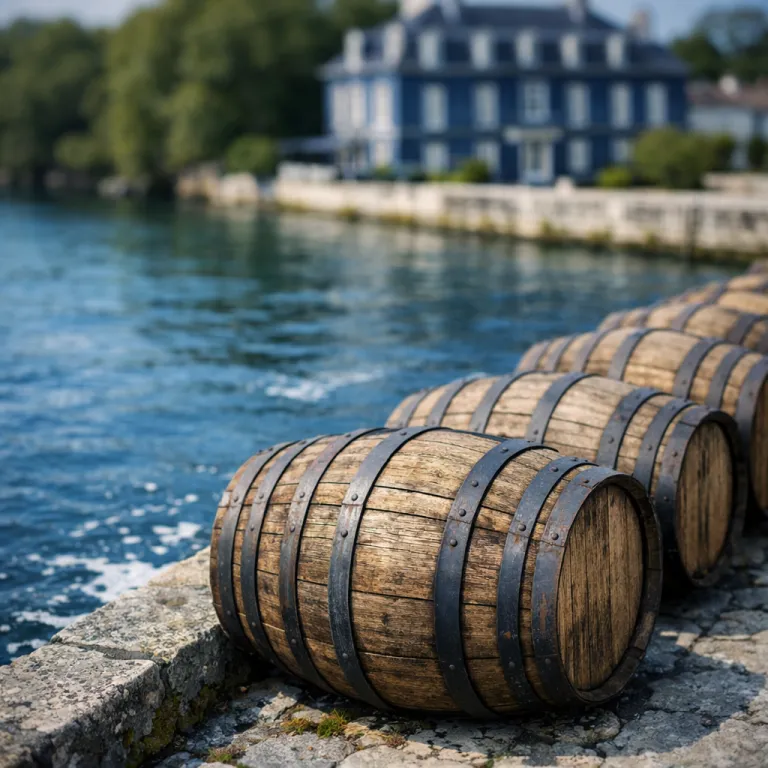
Although Charente France is not directly coastal, its history is inseparable from maritime trade and the nearby port of La Rochelle in the Charente Maritime department. For centuries, barrels of cognac traveled down the river Charente to the Atlantic, linking inland chateau estates with the wider world. Today, premium travelers can trace this history by combining a stay in Cognac or Angoulême with a refined excursion to the maritime area around La Rochelle, where the ocean air contrasts beautifully with the sheltered valleys of Charente.
The broader region of Poitou Charentes, now integrated into Nouvelle Aquitaine, still resonates in how locals describe their identity and their landscape. Many luxury properties reference this heritage through architecture that blends stone farmhouses, gallo roman remnants, and later century additions into coherent, elegant ensembles. When you browse hotel options, look for addresses that highlight their connection to the Charente river, the Charente department, or the historic trade routes towards Charente Maritime and Deux Sèvres, because these clues often signal a strong sense of place.
For travelers who appreciate vineyard landscapes, a refined stay at a château hotel and spa in the wider wine region can complement nights in Charente France. One notable example is presented in this château hotel and spa stay in Saint-Émilion, which illustrates how river valleys, vineyards, and heritage architecture combine to create immersive experiences. Seen alongside Charente, such properties highlight the shared natural beauty and layered history that define Nouvelle Aquitaine’s most desirable premium stays.
Heritage, romanesque churches, and the culture of discreet luxury
Charente France is renowned for Romanesque churches, gallo roman traces, and a built heritage that spans more than one century of architectural evolution. This historic depth shapes the character of many luxury hotels, which often occupy restored châteaux, manor houses, or townhouses in the heart of a small town. Rather than ostentatious design, the prevailing aesthetic is discreet, with stone facades, landscaped gardens, and interiors that balance period details with contemporary comfort.
In Angoulême, for example, guests can stay within walking distance of the cathedral and other Romanesque churches, then explore the city’s comic strip murals and cultural institutions. The coexistence of medieval ramparts, gallo roman remnants, and modern creativity gives the town a layered identity that appeals to culturally curious travelers. Cognac Angoulême itineraries are increasingly popular among guests who want to pair distillery visits with gallery tours, using a premium hotel as a calm base between experiences.
Beyond the main cities, the Charente department is dotted with small town communities where chateau estates and former abbeys have been transformed into intimate luxury retreats. These properties often emphasize the history of Poitou Charentes, the role of the Charente river in trade, and the influence of nearby Charente Maritime and Deux Sèvres on local culture. Some also reference literary figures such as Pierre Loti, whose maritime themed writings evoke the broader Atlantic world that once shaped commerce along the river Charente.
Travelers interested in broader regional narratives sometimes extend their journey towards the Pyrenees, using a specialized Pyrenees guide to contrast mountain landscapes with the gentle valleys of Charente France. Others look north towards Haute Vienne or west towards La Rochelle, building a multi department France itinerary that still centers on a refined stay Charente. For those who appreciate curated experiences, resources such as this guide to Pauillac and nearby hotel experiences show how wine, history, and architecture can be woven into a coherent, high end journey.
Booking premium stays in charente france without a dedicated category
One of the main challenges for travelers is that many booking platforms lack a specific category for luxury and premium hotels in Charente France. Properties in the Charente department are often grouped under broad labels such as Nouvelle Aquitaine or Poitou Charentes, which can make it difficult to identify the most refined options. To navigate this, travelers should combine careful filtering with a targeted guide Charente that highlights verified high end addresses.
Start by focusing on location filters around Angoulême, Cognac, and selected small town villages along the Charente river. Then, refine your search by looking for keywords such as château, spa, or historic property, which often indicate a higher level of service and design. Cross referencing these findings with specialized editorial content about stay Charente experiences helps ensure that the hotel’s positioning matches your expectations for discreet luxury and cultural depth.
Because Charente France is known for cognac production and Romanesque architecture, many premium hotels build their identity around these strengths. When reading descriptions, pay attention to how the property references local history, gallo roman heritage, or the wider Poitou Charentes and Charente Maritime context. A hotel that situates itself clearly within the Charente department, mentions the river Charente, and explains its connection to Angoulême or Cognac is more likely to deliver an authentic sense of place.
It is also wise to consider how a property integrates regional gastronomy, from cognac pairings to produce sourced along the Charente river and neighboring departments such as Deux Sèvres or Haute Vienne. Some hotels collaborate with cultural organizations to offer access to Romanesque churches, comic strip festivals in Angoulême, or maritime excursions towards La Rochelle. By combining these qualitative signals with guest reviews and professional recommendations, travelers can overcome the absence of a dedicated luxury category and still curate a sophisticated stay Charente.
Designing an itinerary across charente, charente maritime, and beyond
For many guests, the most rewarding way to experience Charente France is to design an itinerary that moves gracefully between inland and maritime landscapes. A classic route might begin in Angoulême, continue through Cognac, then follow the river Charente towards Charente Maritime and the Atlantic. Along the way, travelers can alternate between château hotels, riverside mansions, and refined town properties, each revealing a different facet of the Charente department.
In Angoulême, plan at least two nights to explore Romanesque churches, gallo roman traces, and the city’s comic strip heritage at a relaxed pace. From there, a short drive leads to Cognac, where premium hotels often organize private distillery visits, cellar tastings, and vineyard walks. This Cognac Angoulême axis encapsulates much of what makes stay Charente experiences distinctive, combining history, design, and gastronomy in a compact area.
Continuing west, the landscape opens towards Charente Maritime and the maritime area around La Rochelle, where the legacy of trade and exploration still shapes local identity. Here, travelers can use a broader Poitou Charentes or Pyrenees guide to contextualize how inland departments such as Charente, Deux Sèvres, and Haute Vienne connect to the Atlantic and, further south, to the Pyrenees. Some itineraries also weave in references to Pierre Loti, whose writings evoke the emotional pull of the sea that once drew cognac barrels down the river Charente.
Throughout this journey, the key is to balance movement with time spent enjoying each hotel’s amenities, from spa treatments to riverside terraces. A thoughtful guide Charente will suggest distances in kilometres, realistic driving times, and seasonal considerations, helping travelers avoid rushed schedules. By treating the Charente department as the calm heart of a wider Nouvelle Aquitaine journey, guests can appreciate both the area’s natural beauty and its role in the broader history of department France.
Practical guidance, expert insight, and trusted resources for charente stays
When planning a premium stay in Charente France, reliable information is as important as an inspiring itinerary. The Charente department’s administrative structures, based in Angoulême, work alongside regional partners to promote tourism, support local businesses, and preserve cultural heritage. This coordinated effort underpins the quality of experiences available to travelers, from well maintained Romanesque churches to carefully signposted gallo roman sites and river Charente walking paths.
For many visitors, a concise guide Charente that combines hotel recommendations with cultural context is the most efficient planning tool. Such a resource should explain how the Charente river connects Angoulême, Cognac, and Charente Maritime, while also situating the department within Nouvelle Aquitaine and the historic Poitou Charentes area. It should also highlight how neighboring departments such as Deux Sèvres and Haute Vienne, and more distant regions like the Pyrenees, can be integrated into a longer department France journey.
To evaluate hotels, travelers should look beyond star ratings and focus on how each property articulates its relationship to Charente’s history and natural beauty. Does the hotel reference local cognac traditions, nearby Romanesque churches, or the comic strip culture of Angoulême ? Does it acknowledge the maritime legacy that links Charente to La Rochelle, Charente Maritime, and writers like Pierre Loti, whose work reflects the emotional resonance of seafaring life ? These details often signal a deeper commitment to place.
For authoritative background, three concise statements summarize the department’s identity and can guide expectations : “What is Charente known for? Cognac production and Romanesque architecture.” “What is the capital of Charente? Angoulême.” “What region is Charente in? Nouvelle-Aquitaine.” With these anchors in mind, travelers can use trusted resources such as the Charente tourism board, the Angoulême city hall information services, and national French tourism portals to refine their plans and secure the most suitable luxury and premium stays.
Key figures about charente france and its tourism context
- The Charente department covers an area of 5 956 km², offering a spacious yet accessible setting for premium rural and urban stays.
- The population of Charente is approximately 352 683 people, indicating a relatively low density that supports tranquil, uncrowded travel experiences.
- Tourism growth, cognac export increase, and cultural festivals are identified as key development drivers that enhance the range and quality of hospitality services.
Essential questions about charente france for discerning travelers
What is Charente known for ?
Charente is widely recognized for its cognac production, which shapes both the landscape and the identity of many luxury properties. The department is also celebrated for Romanesque churches and historic architecture, visible in Angoulême, Cognac, and numerous small town communities. Together, these elements create a refined cultural backdrop for premium hotel stays.
What is the capital of Charente ?
The capital of the Charente department is Angoulême, a hilltop city overlooking the river Charente. As the prefecture, Angoulême concentrates administrative services, cultural institutions, and a growing selection of high quality hotels. Its blend of medieval ramparts, comic strip culture, and elegant townhouses makes it an ideal base for exploring Charente France.
What region is Charente in ?
Charente belongs to the Nouvelle Aquitaine region in southwestern France, alongside departments such as Charente Maritime, Deux Sèvres, and Haute Vienne. This regional context allows travelers to combine a stay Charente with visits to Bordeaux, La Rochelle, or even the Pyrenees, using specialized guides where necessary. Being part of Nouvelle Aquitaine also means that Charente benefits from coordinated tourism promotion and infrastructure investment that support high end hospitality.