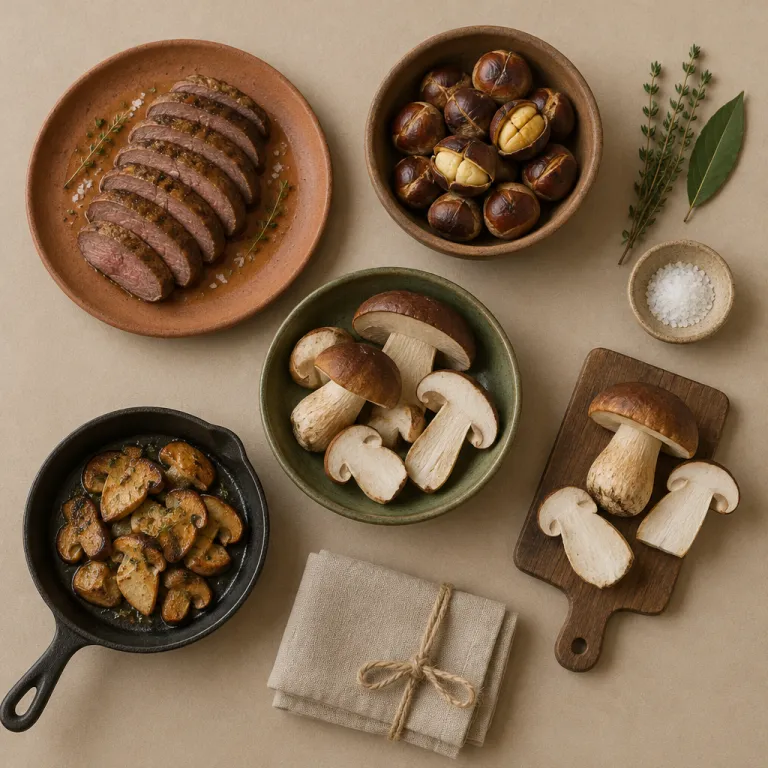
Autumn on the plate: aquitaine autumn cuisine game cep chestnut
Autumn in southwest France is when the table feels most grounded. In Aquitaine, autumn cuisine built around game, cèpes and chestnuts shapes how people eat from the first cool day, and luxury hotels lean into this rhythm with quiet confidence. Families arrive to find menus that feel both generous and precise, with food that respects the forest, the river and the vineyard.
The season’s emblem is the pan of golden cèpe mushrooms, often cooked à la bordelaise with garlic, parsley and a little local wine. In the Dordogne Valley, especially around Sarlat-la-Canéda, chefs talk about autumn cooking as a single idea, where roasted game, grilled cèpes and chestnut purée share the same plate in good harmony. Many properties keep portions full but balanced, so a rich slice of foie gras from a named farm such as Maison Lembert might be paired with crisp salad leaves and a light Sauternes rather than a heavy red.
Game appears slowly as the days grow shorter, from wild duck to venison, always handled with a French restraint that suits cautious palates. Chestnuts and walnuts slip into soups, stuffings and desserts, giving these autumn dishes a gentle sweetness that children usually accept more easily than they expect. Across the season, but especially in October and early November, hotel kitchens rely on trusted local suppliers who arrive at the back door before breakfast with baskets of cèpes from the Périgord woods and crates of seasonal fruit.
Family tables in luxury hotels: easing children into autumn flavours
For a premium family, the question is simple: will the children actually eat this beautiful autumn food? The best French properties in Aquitaine answer quietly, by designing plates that feel playful rather than intimidating. Instead of a separate children’s menu, you often see smaller portions of the same good dishes, with sauces softened and garnishes simplified.
A grilled chicken supreme might arrive with a silky chestnut mash, letting younger people taste the season without facing full game on day one. Lightly sautéed cèpes can be tucked beside pasta or potatoes, so families share the same flavours while each plate stays manageable. If you want more ideas on how to guide children through French food culture, the piece on French family dining beyond the children’s menu offers practical strategies that pair well with autumn travel.
By mid November, when many villages host a small food festival or market day focused on chestnuts or cèpes, hotel concierges know which events feel relaxed for families. Around Villefranche-du-Périgord, for example, the Fête de la Châtaigne fills the streets with roasting pans and music. Staff will often suggest a morning in a local place where producers slice truffes and talk about foie gras, then an easy lunch in a nearby restaurant with a calm terrace. Across these weeks, the most thoughtful teams understand that Aquitaine’s autumn cuisine can be both an education and a pleasure for children, not a test of courage.
Markets and festivals: where autumn ingredients meet hotel kitchens
Sunday markets are the real theatre of Aquitaine’s autumn, and luxury hotels quietly orbit them. In the Dordogne Valley, chefs and sommeliers walk the stalls early in the day, checking cèpes for firmness and chestnuts for shine before planning seasonal menus. Guests who wake a little later still feel this energy when they see the same produce reappear, transformed, at lunch.
October brings a string of village events where food and wine sit at the centre of local life, from small chestnut fairs to larger mushroom festivals in forested corners of southwest France. The Fête de la Truffe in Sarlat, usually held in January but prepared for in autumn, already shapes how truffes and foie gras are discussed at the market. Families staying in premium properties are often driven or guided to these markets, then brought back in time for a relaxed tasting in the hotel bar, where lighter reds and structured whites are poured beside plates of foie gras canapés. If you are combining gastronomy with culture, look at curated stays near the prehistoric caves in the Dordogne, such as those highlighted in this guide to luxury stays near the Vallée de la Vézère.
Chestnuts, walnuts and hazelnuts appear in everything from savoury tarts to cakes, often echoing the caramelised notes of regional dessert traditions. In Sarlat, for instance, pâtissiers fold noix du Périgord into moist gateaux that pair well with Monbazillac. For a sweet counterpoint to all this autumn depth, the article on Bordeaux pastry traditions shows how pâtissiers think about texture and wine pairing. Together, these experiences make Aquitaine’s autumn food culture feel like a continuous story, running from the market stall to the hotel dining room across the season.
Pairing wine and planning stays: making autumn work for your family
Choosing the right base in Aquitaine shapes how you taste the season. A riverside hotel in the Dordogne Valley, such as a relais near Beynac-et-Cazenac, suits families who want markets in the morning, canoeing by day and game, cèpes and chestnut menus at night. Closer to the Atlantic, properties around Arcachon lean more on seafood but still weave in venison, chestnut and foie gras when the air turns crisp.
For pairings, sommeliers often steer guests toward lighter reds from southwest France for roasted game, keeping tannins gentle enough for a long meal. Bergerac or Pécharmant can work beautifully with duck or pigeon. Whites with good acidity, such as Pessac-Léognan, flatter cèpes cooked in butter, while a late harvest wine like Monbazillac suits both foie gras and chestnut desserts without feeling heavy. When you book, ask whether the restaurant offers a short pairing flight, as this lets you explore several wines in one evening without committing to full bottles.
October and early November are prime months, with mid November still offering strong markets but slightly quieter hotels and restaurants. Across these weeks, the best properties keep a close relationship with local producers, so the menu shifts subtly from week to week as game, truffes and nuts reach their peak. If you time your stay around a village food festival or a market focused on cèpes and chestnuts, you will see how hotel kitchens, vineyards and small farms work together to define the region’s most honest season.
FAQ: planning an autumn food focused stay in Aquitaine
When is the best time to experience autumn cuisine in Aquitaine ?
The most reliable window for Aquitaine’s autumn cuisine runs from early October to mid November, when markets are full of cèpes, chestnuts and game. During these weeks, many villages in the Dordogne Valley and wider southwest France host at least one food festival or themed market day. Luxury hotels align their menus with this calendar, so you see foie gras, truffes and seasonal vegetables at their peak.
Is Aquitaine’s autumn food suitable for children ?
Yes, especially if you introduce flavours gradually and choose hotels that understand premium family needs. Many French restaurants in the region offer smaller portions of the same dishes, so children can try cèpes, chestnut purée or a gentle game sauce without facing a full plate. Look for properties that emphasise local food and flexible service rather than rigid tasting menus, as this gives you room to adapt each day.
How should I plan wine pairings with autumn dishes ?
For roasted game and richer meat dishes, lighter reds from southwest France usually work best, offering enough structure without overwhelming the food. Cèpes and truffe-based preparations often shine with whites that have good acidity and some texture, especially when butter or cream is involved. When booking, ask whether the restaurant offers pairing suggestions by the glass, which lets you explore several wines over a few days without committing to full bottles.
Which areas of Aquitaine are most interesting for autumn markets ?
The Dordogne Valley is particularly strong, with many local places hosting Sunday markets where producers sell cèpes, chestnuts, walnuts and seasonal vegetables. Coastal towns add fish and shellfish to the mix, but still feature autumn produce from inland farms. Choosing a hotel within walking distance of a good weekly market means you can experience the full theatre of Aquitaine’s autumn food culture before returning to a calm dining room.
Do I need to book restaurants and hotels far in advance for october and november ?
For luxury and premium stays, advance booking is wise, especially if you want specific restaurants that focus on local autumn food. October weekends and festival days fill quickly, while early November and mid November can be slightly easier but still busy in the most sought after villages. Reserving both your room and at least one dinner per day ensures you enjoy the season’s best ingredients without last minute stress.