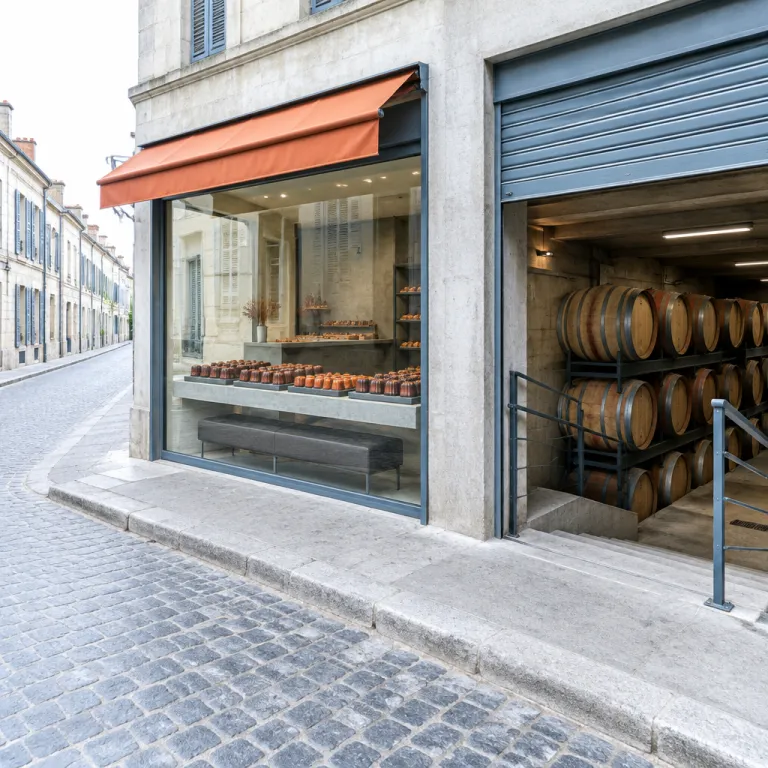
Why Bordeaux’s cannelé belongs beside the wine cellar key
The bordeaux patisserie cannele dessert guide begins in the cellars, not the salons. In the historic Bordeaux region, wine merchants once used egg whites to fine their wine, and local lore says the leftover egg yolk quietly shaped what would become the canelé Bordeaux that now anchors every pastry counter. For a solo traveler checking into a luxury hotel, that link between wine and pastry turns a simple canelé into a tasting note written in butter and rum vanilla rather than tannins.
Think of the classic canelé as a miniature barrel, its fluted sides echoing the copper molds that line traditional kitchens in south west France. Those canele molds, often heavy copper molds brushed with beeswax butter, give the pastry its deep caramelised shell and tender custard heart, a contrast as precise as any grand cru blend. When a pastry chef in Bordeaux talks about the perfect canele, they speak of balance between crust and custard the way a sommelier weighs fruit against acidity in a fine wine.
In luxury hotels across the Bordeaux region, you will often find canelés and canneles waiting on marble lobby tables, yet the real story starts at the pâtisserie counter. A serious bordeaux patisserie cannele dessert guide will send you out of the hotel and into the streets, where trays of caneles and canneles cool beside open ovens and the air smells of butter and vanilla. This is where the canele recipe stops being an abstract french pastry idea and becomes something you eat still warm, the rum vanilla perfume mingling with the morning’s first espresso.
How to taste a cannelé like a cellar master
To read a canelé properly, you start with the crust, not the crumb. Hold it in your hand and feel the weight from the dense batter that has rested for hours, then tap the fluted sides made in traditional canele molds to hear the faint, glassy crackle that signals enough heat and time in the oven. A thoughtful bordeaux patisserie cannele dessert guide treats this as a ritual, as deliberate as swirling a glass of wine in a Saint Émilion tasting room.
Size matters here, because small canelés and larger canneles behave differently on the palate and cool at different speeds. The petite version, often baked in narrower copper molds, gives more caramelised surface and a sharper contrast between the dark shell and the soft centre, while a larger canelé Bordeaux leans creamier, with a slower release of rum vanilla and butter. Either way, the perfect canele should reveal a custard interior freckled with tiny bubbles, the sign that the canele recipe met the right bake minutes and the right oven heat.
Freshness is non negotiable, and any serious pastry chef in Bordeaux will quietly admit that a canelé lives its best life within a few minutes of leaving the molds. As hours pass, the once crisp shell softens, the beeswax butter seal relaxes, and the contrast that defines this french pastry fades, much like an opened bottle of wine losing its edge. Plan your hotel breakfast so you can walk to a pâtisserie when the first trays emerge, then carry your still warm caneles to the Garonne quays and let the city’s light do the rest while you think about your next stop on the oyster trail along Arcachon Bay cabanes and dégustations described in this oyster trail guide.
A morning pastry walk through Bordeaux for solo travelers
Start early, before the river mist has fully lifted, and let your bordeaux patisserie cannele dessert guide double as a walking map. From many central luxury hotels you can reach a string of pâtisseries, chocolatiers, and a covered market within fifteen to twenty minutes on foot, which is just enough time to build an appetite for your first canelé of the day. Along the way, you will pass wine bars setting out barrels as tables, a reminder that this pastry’s story is braided into the same trade routes that once carried barrels downriver.
Order one small canelé Bordeaux and one larger canelé so you can compare how the canele recipe behaves in different molds, then add a slice of mille feuille or a glossy choux pastry filled with vanilla cream for contrast. The best counters treat these french pastry staples with the same care they give to caneles and canneles, layering puff pastry so thin it shatters and weighing egg yolks for custard as precisely as a winemaker measures sugar. If you are staying in a hotel with a strong pastry program, ask the pastry chef which pâtisseries they respect most and follow their trail, the way you might follow a sommelier’s map of left bank and right bank estates.
By late morning, the covered market becomes your next stop, a place where the bordeaux patisserie cannele dessert guide intersects with daily life. Here, amid stalls of oysters and seasonal fruit, you may find trays of canelés beside jars of honey and bottles of local wine, a reminder that beeswax and beeswax butter once came from nearby hives. Families who want to extend this tasting culture to younger travelers can look to this guide to teaching kids to eat like the French in Aquitaine, then adapt its family dining advice to a pastry focused morning that still feels grown up.
Beyond the cannelé: dunes, Basque cakes and coastal detours
Once you have mapped the canelé Bordeaux axis, the wider southwest opens up like a dessert menu written across the coastline. North and west of the city, the dunes blanches of the Arcachon basin offer a different kind of sweetness, with choux pastry piped full of light cream and dusted with sugar that crunches softly under your teeth. A refined bordeaux patisserie cannele dessert guide will nudge you to taste these beside a glass of local white wine, letting the acidity cut through the butter and echo the sea air.
Further south, the Basque coast introduces gâteau basque, a dense yet tender cake made from rich dough and filled with either black cherry jam or vanilla pastry cream. Here, puff pastry gives way to something more rustic, but the same attention to egg yolks, butter, and slow bake minutes in the oven ties it back to the canele recipe you met in Bordeaux. If you plan your hotel stays along this arc, you can move from canelés to dunes blanches to gâteau basque in a few days, turning the bordeaux region into a progressive dessert course that runs parallel to its famous wine routes and even to prehistoric cave itineraries such as this guide to the Dordogne’s underground.
Back in the city, pâtisseries often weave these coastal influences into their own counters, setting dunes blanches beside canneles and slices of mille feuille. Some will nod to Parisian icons like Pierre Hermé by refining classic french pastry techniques, while others lean into local tradition with puits d’amour and other regional specialties. For a solo traveler, this means you can taste the broader Aquitaine coastline without leaving Bordeaux, using each pastry box as a map of where you might book your next hotel night.
From hotel breakfast trays to serious pastry pilgrimages
Luxury hotels in Bordeaux understand that a plate of canelés on the breakfast buffet is no longer enough for travelers who arrive with their own bordeaux patisserie cannele dessert guide in mind. You might wake to a silver tray holding two perfect caneles, a pot of rum vanilla infused cream, and a small card explaining how the pastry’s egg yolk rich batter once echoed the wine trade’s use of whites. That gesture is charming, but it should be the beginning of your pastry journey, not the end.
Ask the concierge which pâtisseries still use traditional copper molds brushed with beeswax butter, and whether any local pastry chef offers a short workshop on the canele recipe for guests. Some properties quietly arrange visits where you can stand beside the oven, feel the blast of heat as trays slide in, and watch as the batter transforms over the next sixty minutes into rows of dark, shiny canelés. Even if you never touch a canele mold yourself, seeing the process once will change how you taste every future canelé Bordeaux, much as a cellar visit changes how you read a label.
On days when you stay in, pay attention to the broader pastry selection at your hotel, from choux pastry puffs to slices of mille feuille layered with vanilla cream. A thoughtful kitchen might slip in a miniature puits d’amour or a regional french pastry that rarely leaves France, turning room service into a quiet masterclass in the region’s sweets. For travelers who care about how children meet these flavors, resources on French style family dining in Aquitaine can help you frame caneles and canneles as part of a wider food education rather than just another dessert.
Inside the cannelé: technique, texture and the pastry chef’s craft
Behind every canelé that lands on your saucer lies a chain of decisions as deliberate as any winemaking protocol. The batter begins with milk, sugar, flour, and a generous number of egg yolks, then rests for many hours so the gluten relaxes and the flavors of rum vanilla and scraped vanilla beans can bloom. A serious bordeaux patisserie cannele dessert guide pays as much attention to this quiet stage as to the dramatic moment when the molds meet the oven.
Traditionalists insist on copper molds lined with a thin film of beeswax butter, a mixture that helps the batter release and creates that signature, almost lacquered crust. Modern kitchens sometimes switch to silicone molds for convenience, but most pastry chefs agree that the best heat transfer still comes from copper, which allows the exterior to caramelise deeply during the long bake minutes without overcooking the custard centre. When you bite into a perfect canele, you are tasting not just a recipe but a philosophy about how far to push sugar, butter, and heat before they tip from caramelised to burnt.
In the hands of a skilled french pastry chef, the canele recipe becomes a canvas for tiny variations, from the choice of rum to the balance between vanilla and citrus zest. Some lean toward darker, more bitter caramel notes that pair well with aged wine, while others keep the crust lighter to highlight the soft, almost flan like interior. As you move between hotels and pâtisseries in the Bordeaux region, pay attention to these differences, and let each canelé teach you something new about how this city thinks about pastry, hospitality, and the quiet luxury of a well made sweet.
FAQ
What makes a Bordeaux cannelé different from other French pastries ?
A Bordeaux canelé stands apart because of its contrast between a deeply caramelised, almost smoky crust and a soft, custard like interior scented with rum and vanilla. This texture comes from baking an egg yolk rich batter in very hot copper molds lined with beeswax butter, which creates the glossy, fluted shell. The pastry’s cultural link to the Bordeaux wine trade also gives it a regional identity that other french pastry classics, such as mille feuille or choux pastry, do not share.
When during the day should I eat a cannelé for the best experience ?
The best time to eat a canelé is within a few minutes to a couple of hours after it leaves the oven, when the crust is still crisp and the interior is warm or gently cooled. Many pâtisseries in Bordeaux bake in several waves during the morning, so aim your walk to arrive shortly after a batch has been unmolded. By late afternoon, the shell often softens and the contrast that defines a perfect canele becomes less pronounced.
Can I find high quality cannelés at my hotel, or should I go to a pâtisserie ?
Many luxury hotels in Bordeaux serve good canelés at breakfast or as welcome amenities, and some work with respected local pâtisseries for supply. However, if you care about tasting the full range of textures and styles, visiting at least one specialist pâtisserie is essential, because they control every step from batter to bake minutes. A balanced approach is to enjoy your hotel’s version, then use it as a reference point when you explore the city’s pastry counters on foot.
Are cannelés suitable to pair with Bordeaux wines ?
Cannelés can pair well with certain Bordeaux wines, especially sweeter styles such as Sauternes or late harvest whites, because the caramelised crust and rum vanilla notes echo the wines’ honeyed character. For a lighter option, a chilled crémant from the Bordeaux region offers bubbles and acidity that cut through the richness of butter and egg yolks. If you prefer to keep things simple, a strong espresso or black tea also highlights the pastry’s complexity without adding more sweetness.
Can I learn to bake cannelés during my stay in Bordeaux ?
Some cooking schools and independent pastry chefs in Bordeaux offer short classes focused on regional desserts, and canelés are often included because they showcase local technique and ingredients. These sessions typically cover batter preparation, the use of copper molds and beeswax butter, and how to manage oven heat and timing for a proper crust. Ask your hotel concierge to recommend reputable options, and be prepared to adapt the canele recipe slightly when you return home, since domestic ovens and molds behave differently from professional equipment.