Mapping your Bayonne food tour walking guide to Basque cuisine
Bayonne is a compact riverfront city where every corner seems scented with chocolate, cured meats and the sea. A thoughtful Bayonne food tour walking guide to Basque cuisine will help you move between these flavors with purpose, not just appetite. For luxury travelers, the right route turns a simple stroll into an experience that quietly shapes where you will want to sleep, sip and linger in the French Basque country.
Start your own Bayonne food tour at Les Halles, the covered market that anchors the local food scene beside the Nive. Here you can experience Bayonne as the bayonne local chefs do, tasting traditional Basque cheeses, cured meats and seasonal produce before the city fully wakes. The tours stops you design around this market will set the rhythm for your day, and they will also reveal which nearby premium hotels understand how deeply food and basque culture are woven together.
From Les Halles, cross into Petit Bayonne, where half timbered houses lean over narrow streets and the air often carries the faint aroma of basque cider from nearby bars. This is where a self guided food tour becomes a richer experience, because you can pause at wine shops for local wines, then step into delicatessens for Jambon de Bayonne and other delicious meats. As you explore Bayonne on foot, you will quickly see why the city’s rich history and culinary delights make it such a strong base for luxury stays in the wider Basque country.
Les Halles and the morning market: the heart of Bayonne food
Les Halles is where any serious Bayonne food tour walking guide to Basque cuisine must begin. The market opens early, and you should visit before 10:00 to enjoy a calmer atmosphere and free flowing conversations with producers. It closes by early afternoon and remains shut on Mondays, so timing your food tours around its schedule is essential.
Inside, stalls piled with cured meats, seasonal vegetables and local fish show how the Atlantic and the Pyrenees shape the food scene. Look for stands selling Ossau Iraty, the traditional Basque sheep’s cheese, and ask to taste it with confiture de cerises noires for a classic pairing that many bayonne local families still serve at home. This is also the moment to note which nearby hotels offer market to table breakfasts, a detail that signals real respect for traditional Basque flavors.
Solo travelers will appreciate the casual bars tucked into the corners of Les Halles, where counter seating makes it easy to enjoy a quick plate of ham or other cured meats with a glass of local wines. If you are planning a longer stay in Aquitaine, this is the ideal place to understand how French Basque eating habits differ from those in Paris or Lyon, especially in their relaxed approach to time. For more context on how regional families eat, you can read this guide to family dining in Aquitaine beyond the children’s menu, then apply those insights as you experience Bayonne in person.
Jambon de Bayonne and cured meats: tasting the city’s signature ham
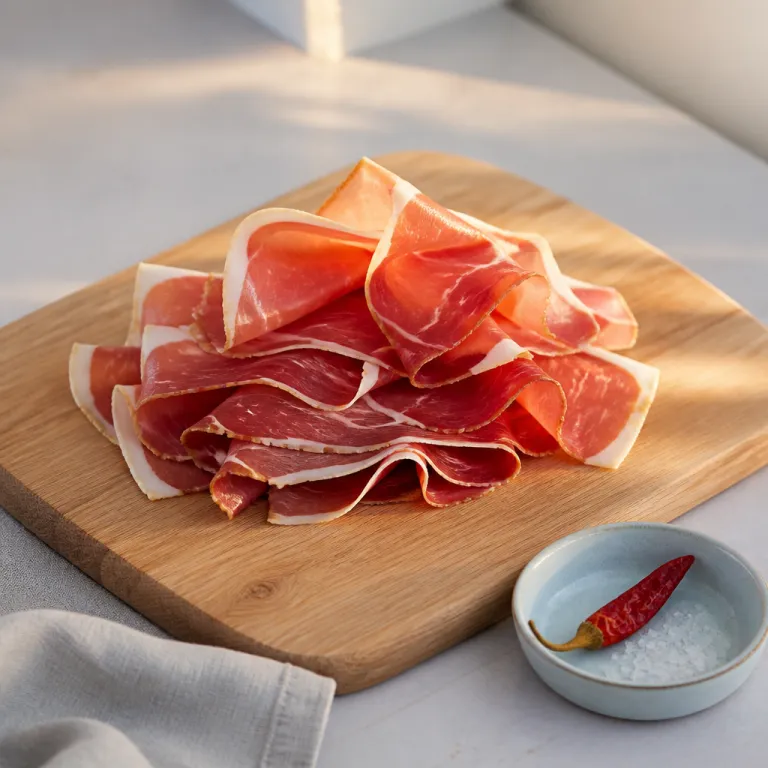
No Bayonne food tour walking guide to Basque cuisine is complete without a deep dive into Jambon de Bayonne. This AOC protected ham is dry cured in salt from the Adour basin, then aged in cellars where the Atlantic air slowly shapes its texture. When you experience Bayonne through its ham, you understand why the city’s rich history is inseparable from its cured meats and trading past.
At specialist shops near Les Halles and in Grand Bayonne, ask to compare slices of 12 month and 24 month cured ham. The younger ham will taste softer and more delicate, while the longer cured meats show deeper, nuttier flavors that many bayonne local gourmets prefer. A good food tour guide, whether human or self written, should encourage you to taste both and note how the flavors Basque producers coax from simple meats rival more famous Italian counterparts.
Many luxury hotels in the city now curate small plates of Jambon de Bayonne, Ossau Iraty and local wines as part of their evening offerings. This is where a thoughtful traveler can align their hotel booking with their food tours, choosing properties that treat ham and other traditional Basque products as more than decorative props. For a deeper look at how Bayonne ham, Espelette pepper and Ossau Iraty express Basque hospitality, read this detailed piece on what Bayonne ham and Ossau Iraty reveal about Basque hospitality before you explore Bayonne on foot.
Bayonne chocolate and riverside walks: from guild history to thick drinking cups
Bayonne’s chocolate tradition runs as deep as its ham, and any serious Bayonne food tour walking guide to Basque cuisine must weave both into the same day. The city is often described as France’s oldest chocolate center, shaped by Jewish and Spanish artisans who settled here and formed powerful guilds. Their legacy still flavors Bayonne food culture, especially in the streets of Grand Bayonne near the cathedral.
Plan your tours stops so that you move from the market and ham shops across the Nive to the chocolate quarter by late morning. At Cazenave, order a thick, almost spoonable hot chocolate served in white porcelain cups, then pair it with toasted bread and slabs of butter for a quietly indulgent experience. A few streets away, Daranatz offers artisanal bars that reflect both traditional Basque recipes and more modern interpretations, giving you a sense of how the food scene balances heritage and innovation.
As you wander between these addresses, look up at the half timbered façades that frame the narrow streets and remember that this rich history is part of what you are paying for when you choose a luxury stay in the city. Many high end hotels in Bayonne now curate chocolate themed amenities, from welcome gifts to in room tastings, which can extend your food tour into the evening. When you experience Bayonne in this way, the line between walking tour, hotel stay and culinary delights becomes pleasantly blurred.
Basque cider, local wines and riverside pintxos for solo travelers
As afternoon slides toward evening, your Bayonne food tour walking guide to Basque cuisine should bend toward the river. This is the moment to seek out bars that pour basque cider and local wines by the glass, often alongside small plates that make solo dining feel natural. In the French Basque tradition, counter seating and standing tables encourage conversation without obligation, which suits independent travelers who value both privacy and connection.
Look for addresses that serve cider from the wider Basque country, ideally from a traditional cider house where apples are still pressed and fermented using time honored methods. Basque cider tends to be drier and more acidic than many American ciders, which makes it a sharp, refreshing partner for cured meats, grilled fish and other bayonne food specialties. When a bar understands this balance, you will often see Jambon de Bayonne, anchovies and simple omelettes on the menu, all designed to let the drink and the food support each other.
Riverside pintxos bars in both Petit Bayonne and Grand Bayonne are ideal tours stops for solo travelers, because the format is built around small, individual portions. You can enjoy two or three bites at one place, then move on to the next, turning the entire city into a progressive dinner. This style of eating also aligns beautifully with luxury hotel stays, since you can return to your room without feeling overfull, yet still feel that you have tasted the essential flavors Basque cooks offer along the river.
Designing your own walking route through Bayonne’s food scene
Rather than following a rigid schedule, think of your Bayonne food tour walking guide to Basque cuisine as a flexible framework. Start at Les Halles for breakfast, move through Petit Bayonne’s half timbered streets for late morning snacks, then cross into Grand Bayonne for chocolate and afternoon coffee. By evening, let the glow of riverside bars and the sound of clinking glasses lead you toward basque cider and pintxos.
A practical loop might begin with cured meats and cheese tastings at the market, then continue with a visit to a ham specialist to compare different curing durations. From there, you can explore Bayonne side streets lined with delicatessens, wine shops and bakeries, each offering their own take on traditional Basque recipes. This approach keeps your tours stops close together, which is ideal if you prefer to walk no more than 5 to 6 km in a day.
As you plan, remember that many of the most atmospheric streets are paved with cobblestones, so comfortable shoes will make your experience Bayonne far more pleasant. Luxury and premium hotels in the city often provide printed maps or digital guides that highlight their favorite food tours, sometimes including exclusive tastings or priority reservations. If your visit coincides with major regional events, such as those listed in this festival calendar from Bayonne’s fêtes to village night markets, adjust your walking route to weave in seasonal specialties and extended opening hours.
Choosing a luxury base in Bayonne for wider Basque country exploration
Once you have shaped your Bayonne food tour walking guide to Basque cuisine, the next decision is where to sleep. The best luxury and premium hotels in the city act as quiet extensions of the food scene, not just places to drop your bags. They understand that guests come to experience Bayonne through its markets, chocolate shops and riverside bars, then return to rooms that feel calm, well insulated and genuinely local.
Look for properties within a short walk of Les Halles or the Nive, so that your tours stops remain easily accessible throughout the day. Many high end addresses now offer partnerships with ham curers, chocolate makers and wine merchants, allowing guests to enjoy private tastings or small group food tours that feel intimate rather than crowded. When a hotel team can speak knowledgeably about basque culture, recommend a favorite cider house or suggest which bayonne food stall has the best seasonal produce, you know you are in the right place.
For travelers using Bayonne as a base to explore the wider Basque country, proximity to the train station and main roads matters, but it should not come at the expense of atmosphere. A well chosen property in the historic city center lets you enjoy the rich history and half timbered streets by day, then retreat to a quiet room with river or rooftop views at night. In this way, your stay becomes a seamless blend of comfort, culinary delights and the subtle rhythms that define life in the French Basque city.
Key figures on Bayonne, Basque food culture and tourism
- Bayonne’s historic center covers roughly 1.5 square kilometers, which makes it compact enough for most travelers to complete a full day food tour on foot without exceeding 6 to 7 km of walking (data from Bayonne tourism office).
- Jambon de Bayonne holds a Protected Geographical Indication (PGI) status, and producers must follow strict curing rules that typically require a minimum of 7 months of maturation, with many premium hams aged 12 to 24 months (European Union quality schemes data).
- Les Halles de Bayonne hosts more than 40 permanent food vendors, including butchers, fishmongers, cheesemongers and produce sellers, reflecting the diversity of the local food scene in a single covered market (Bayonne municipal information).
- Ossau Iraty, the traditional Basque sheep’s cheese often tasted in Bayonne, accounts for around 5,000 to 6,000 tonnes of annual production, with milk sourced from Manech and Basco Béarnaise sheep in the Pyrenees (French National Institute of Origin and Quality data).
- The wider Basque country, including Bayonne, Biarritz and Saint Jean de Luz, welcomes several million visitors each year, with a significant share citing gastronomy and local food culture as a primary motivation for their trip (Nouvelle Aquitaine regional tourism reports).
FAQ about eating through Bayonne on foot
How long does a typical Bayonne food walking tour take ?
A well paced Bayonne food tour that includes Les Halles, Petit Bayonne, Grand Bayonne and riverside pintxos bars usually takes between 4 and 6 hours. This allows time for multiple tastings of ham, cheese, chocolate and basque cider without rushing. Many travelers stretch the experience across a full day by adding a long lunch or a museum visit between food stops.
Is Bayonne a good base for exploring the wider Basque country ?
Bayonne works very well as a base for exploring the French Basque country, thanks to its rail connections and central location between Biarritz, Saint Jean de Luz and inland villages. The city’s rich history, compact size and strong food scene mean you can enjoy excellent dining without relying on a car every evening. Luxury and premium hotels here often help guests arrange day trips to the coast or mountains, then guide them back toward the best local tables at night.
What should solo travelers know about eating out in Bayonne ?
Solo travelers will find Bayonne particularly welcoming, because many bars and restaurants are built around counter seating and small plates. Pintxos bars and cider focused addresses make it easy to order just one or two bites at each stop, turning the entire evening into a flexible food tour. Staff are generally happy to explain dishes and suggest local wines or ciders, which helps solo guests feel included without pressure.
When is the best time of day to visit Les Halles ?
The best time to visit Les Halles is early in the morning, ideally between 8:00 and 10:00. During these hours, stalls are fully stocked, and producers have more time to talk about their cured meats, cheeses and seasonal produce. Late morning can become crowded, especially on Saturdays, and the market typically closes by early afternoon and does not open on Mondays.
Do I need to book guided food tours in advance ?
Booking guided food tours in advance is recommended during peak travel periods, especially if you want small group or private experiences. Many visitors, however, choose to follow their own Bayonne food tour walking guide to Basque cuisine, using maps and local recommendations from their hotel. In either case, planning around opening hours for Les Halles, chocolate shops and ham specialists will ensure you do not miss key stops.