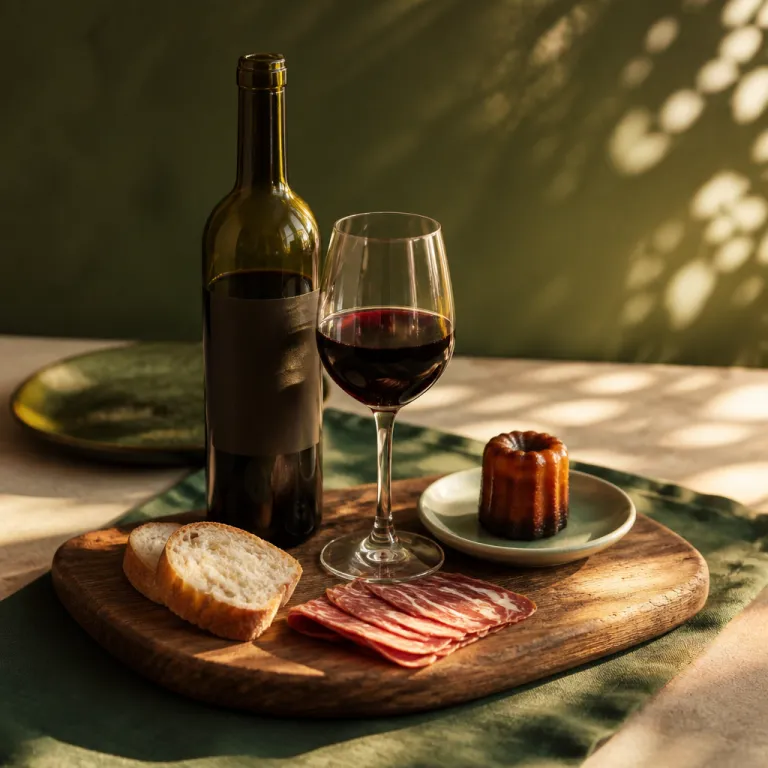
The real best restaurants in Bordeaux for bistro and wine bar evenings
Luxury travelers often ask where to find the best restaurants in Bordeaux for a 2026 bistro and wine bar style evening, yet the answer rarely sits only in the Michelin pages. In the heart of the city, the most memorable dining often happens in a small brasserie or neighbourhood restaurant where the wine list is handwritten, the menu is chalked, and the sommelier knows exactly which glass of wine will suit your mood. For couples planning travel through southwest France, these places feel intimate enough for a romantic meal yet relaxed enough that you can walk in after a day exploring the city.
Think of this guide as your map to the living, breathing restaurants Bordeaux locals actually frequent, not a checklist of every Michelin starred address. The focus is on bistros, wine bars and brasseries where the cooking is serious, the food is rooted in French southwest produce, and the atmosphere stays pleasantly informal. When you book a luxury hotel in Bordeaux or elsewhere in Nouvelle Aquitaine, pairing it with the right restaurant or bar à vin can turn a good stay into a genuinely great one.
In central Bordeaux, streets such as rue Saint-Rémi, rue du Parlement Saint-Pierre and the lanes around Place du Palais form a dense grid of restaurants and wine bars. Here you can move from a bar à vin for a first glass of wine to a brasserie for lunch or dinner, then finish in a small Saint-Pierre wine bar for a final digestif. The best strategy is to secure reservations for one anchor restaurant, then leave space in your day to follow your nose and step into places that simply feel right.
Left bank classics: brasseries, wine lists and riverfront views
On the left bank, near Hôtel de Ville and the Garonne, you find some of the best restaurants in Bordeaux that bistro and wine bar lovers will appreciate for their sense of place. La Brasserie Bordelaise, at 50 Rue Saint-Rémi (daily lunch and dinner, typically 12:00–14:30 and 19:00–23:00, mains from around €24–€40), is the reference brasserie Bordelaise for many locals, with a deep wine list that ranges from modest Bordeaux Supérieur to serious grands crus, and a menu that leans into foie gras, entrecôte and other regional signatures. It is the kind of restaurant where lunch or dinner can stretch over several hours, especially if you explore the wine list by the glass and share plates rather than rush through a single meal.
A short walk away, Le Charabia (24 Rue du Parlement Saint-Pierre, usually open Tuesday to Saturday evenings) and Le Cheverus (5 Rue du Cheverus, often serving both lunch and dinner on weekdays) offer a more intimate bistro style, with compact dining rooms and a focus on seasonal French food. These restaurants sit on or near quiet rue corners, and they work particularly well if you want a good place for a relaxed day or evening without the formality of a Michelin star dining room. For couples staying in a nearby luxury hotel, they are ideal when you want to book something last minute yet still feel you have chosen one of the best restaurants in this part of Bordeaux.
Down by the river, L’Estacade on Quai de Queyries faces the historic façades of Bordeaux from the opposite bank, giving you a wide angle on the city while you eat. The menu leans toward seafood, which pairs naturally with a crisp glass of wine from Entre-Deux-Mers or a structured white from Pessac-Léognan, and the setting suits both a long lunch and a sunset dinner. One local sommelier describes it as “the place I send friends who want to understand Bordeaux in a single view: river, stone façades, and a glass of white in hand.” If you are tracing a wider gastronomic route through Aquitaine, this left bank cluster of brasserie and bistro addresses balances nicely with the more experimental Basque tables you will read about in the regional Michelin map of Biarritz and beyond, explored in depth in our feature on how the Basque Country’s Michelin story is evolving.
Right bank and rive droite: Saint Pierre, Place du Palais and the bar à vin culture
Cross the Pont de Pierre and the mood shifts; the right bank and the Saint-Pierre district feel less polished, more lived in, and often better value for couples who care more about wine and food than white tablecloths. Soif, in the Saint-Pierre quarter at 35 Rue du Cancera (usually open evenings from Tuesday to Saturday, roughly 18:00–23:30), is a natural wine bar where the owner often acts as sommelier, pouring glass wine selections that change daily and guiding you through a short but thoughtful menu of small plates. This is where the idea of Bordeaux’s best bistro-style restaurants and wine bars becomes tangible, because the energy is closer to a Parisian cave à manger than a formal restaurant in a grand hôtel particulier.
Near Place du Palais and along Rue des Argentiers, you will find Aux Quatre Coins du Vin (8 Rue de la Devise, open daily from late afternoon until around midnight) and other wine bars that treat the wine list as a playground rather than a museum. Self-service dispensers let you taste Bordeaux, Loire or Jura wines in different pour sizes, which is perfect if you want to compare a classic Médoc with a natural cuvée from a young producer in one relaxed evening. Couples who enjoy planning their travel around wine will appreciate how easy it is to book a table here, then wander through the medieval streets of Saint-Pierre afterward for a late night drink in another wine bar.
On both sides of the river, Le Bar à Vin near the Grand Théâtre at 3 Cours du 30 Juillet remains a benchmark for tasting Bordeaux wines by the glass at very fair prices, with many pours between €3 and €8. The room, with its high ceilings and stained glass, feels grand yet the atmosphere stays surprisingly relaxed, and the short menu of charcuterie and cheese is exactly what you want with a structured red or a fresh white. One regular describes it as “the cheapest way to drink like a château owner for an hour.” If you are curious about how this bar à vin culture connects with the broader food identity of southwest France, our piece on Bayonne ham, Espelette pepper and Ossau Iraty shows how similar values of sourcing and conviviality run through the region.
Markets, fire cooking and how locals really eat in Bordeaux
To understand why Bordeaux’s bistro and wine bar scene feels so grounded, start your day at Marché des Capucins (Place des Capucins, open most mornings from Tuesday to Sunday, generally from 6:00 to around 13:00) or the Chartrons market along Quai des Chartrons on Sundays. Here, producers from around Bordeaux and deeper into France sell oysters, seasonal vegetables, cheeses and the duck that will later become foie gras in a nearby restaurant. Many of the city’s most interesting bistros and brasseries now cite these producers directly on the menu, echoing the broader trend that well sourced food is no longer a luxury but a baseline expectation.
Fire cooking has become a quiet obsession in several newer bistros, where chefs use embers and binchotan style charcoal to grill côte de bœuf, fish from the Atlantic and even vegetables. This is not a fashion imported from abroad; it is a refined version of the wood fire grilling that has long defined southwest French dining, from Landes farmhouses to riverside inns along the Dordogne. When you book a table, ask whether the restaurant cooks over wood or charcoal, because a simple meal of grilled meat, a salad and a glass of wine can feel as indulgent as a multi course tasting menu when the flames do their work.
For couples staying in luxury hotels, weaving these market visits into your travel plan creates a rhythm that alternates between exploration and rest. Spend the morning at the market, enjoy a small plate lunch at a nearby brasserie, then retreat to your hotel spa before heading out again for a more elaborate dinner. If you are extending your stay beyond Bordeaux, our guide to Dordogne’s village markets and festivals shows how this market to table pattern repeats across Aquitaine, offering plenty of reasons to cross another river for your next meal.
From Saint Émilion to Cité du Vin: pairing hotel stays with wine led dining
Many couples combine a city break in Bordeaux with a night or two among the vines of Saint-Émilion, and the restaurants and wine bars they choose tend to respect that balance. In the medieval streets of Saint-Émilion, small restaurants and wine bars serve simple French dishes designed to frame the local wines rather than overshadow them, which is ideal after a day of château visits and tastings. When you book your hotel, ask the concierge to secure reservations at one or two trusted addresses, then leave space for a spontaneous glass of wine in a tiny bar à vin tucked into a side street.
Back in the city, Cité du Vin in the Bassins à Flot district offers a panoramic view of global wine culture, but the most rewarding meals happen in the brasseries and restaurants that surround it. Here, you can move from an educational tasting inside the museum to a relaxed dining room where the wine list leans heavily on Bordeaux yet still leaves room for a Jura savagnin or a Rhône syrah. This mix of local and wider France in the glass mirrors the way many chefs now cook, blending classic Bordelais dishes such as entrecôte and foie gras with lighter plates that suit a modern palate.
For travelers used to the polished choreography of a Gordon Ramsay style Michelin starred restaurant, these more casual tables may feel refreshingly direct. Service is attentive but rarely theatrical, and the focus stays on the plate, the bottle and the conversation at your table. The key is to choose a hotel that understands this rhythm, one that can suggest a brasserie for a hearty lunch or dinner one day and a quieter wine bar with a strong cheese selection the next.
How to choose and book the right Bordeaux bistro or wine bar from your hotel
With more than 150 bistros in Bordeaux, according to the local tourism office, the challenge is not finding a restaurant but choosing the right one for your stay. Start by deciding what kind of evening you want: a brasserie with moules frites and a long wine list, a small Saint-Pierre wine bar with natural wines by the glass, or a more classic restaurant near Place du Palais with a full tasting menu. Once you know the mood, your hotel concierge can usually secure reservations, especially if you are staying in a luxury or premium property that works regularly with these addresses.
Online reviews and maps help, but they rarely capture the details that matter to couples planning a romantic meal. Ask whether the dining room has quiet corners, whether the restaurant can arrange a special wine pairing, and how flexible the kitchen is with timing if you are arriving from a late day of travel or a visit to Saint-Émilion. For guests who care about wine, it is worth requesting a look at the wine list in advance, especially if you hope to drink older Bordeaux vintages or explore beyond the region into other parts of France.
Local experts often highlight a handful of names when asked where to start. As one concise guide puts it, “Le Charabia, Le Cheverus, and La Brasserie Bordelaise are recommended. Soif and Le Bar À Vin are notable options. It’s advisable to reserve in advance, especially during peak times.” Treat this as a foundation, then build your own map of Bordeaux’s standout bistro and wine bar experiences by mixing these classics with one or two newer addresses suggested by your hotel.
Key figures that shape Bordeaux’s bistro and wine bar scene
- Bordeaux welcomes around 2 million visitors each year, according to city tourism statistics published in recent municipal reports and regional tourism summaries, which means reservations for popular restaurants and wine bars are essential during weekends and holidays.
- The local tourism office estimates roughly 150 bistros in Bordeaux, a density that explains why entire streets such as Rue Saint-Rémi and the lanes around Place du Palais feel like open air dining rooms.
- Nouvelle Aquitaine recently gained 11 new Bib Gourmand distinctions in the Michelin Guide, a figure noted in recent guidebook updates and regional press releases, underlining how value driven bistros and brasseries now anchor the region’s dining identity alongside Michelin starred restaurants.
- Natural wine bars have grown steadily in number across Bordeaux over the past decade, mirroring a wider France wide shift toward low intervention wines and producer focused wine lists documented in national food and wine media.
FAQ: planning your Bordeaux bistro and wine bar itinerary
Do I need reservations for Bordeaux bistros and wine bars ?
Reservations are strongly recommended for popular bistros, brasseries and wine bars, especially on Thursday to Saturday evenings and during peak travel periods. Smaller places in the Saint-Pierre district and around Place du Palais fill quickly because locals and visitors compete for the same tables. For couples staying in luxury hotels, asking the concierge to book a few key meals in advance is the safest strategy.
Which Bordeaux neighbourhoods are best for casual yet serious dining ?
The historic centre around Hôtel de Ville, the Saint-Pierre quarter, and the streets near Place du Palais offer the highest concentration of relaxed but ambitious restaurants. On the left bank, you will find classic brasseries and long established bistros, while the right bank and rive droite lean more toward wine bars and younger kitchens. Both sides reward walking, so plan to explore on foot and follow the energy of each rue rather than fixate on a single address.
Where can I find natural wine and small plate menus in Bordeaux ?
Natural wine focused bars such as Soif and Aux Quatre Coins du Vin specialise in glass wine selections that change daily, often paired with concise menus of small plates. These places blur the line between bar and restaurant, making them ideal for couples who prefer grazing to a formal three course meal. Look for the term bar à vin on signs in the Saint-Pierre area and near the Grand Théâtre for similar experiences.
How does Bordeaux compare to other Aquitaine destinations for food focused trips ?
Bordeaux offers the most concentrated mix of bistros, brasseries and wine bars in Aquitaine, but nearby regions such as the Dordogne and the Basque Country add depth to a longer gastronomic journey. Dordogne excels in markets and riverside inns, while the Basque coast brings a different energy of pintxos bars and Atlantic seafood. Many luxury travelers choose to base themselves in Bordeaux for a few nights, then extend their trip with countryside stays to experience this broader spectrum.
Can I eat well in Bordeaux without focusing on Michelin starred restaurants ?
Yes, and that is precisely the point of exploring Bordeaux’s network of bistros, brasseries and wine bars. The city’s most characterful meals often happen in non Michelin starred dining rooms that prioritise sourcing, seasonality and a strong sense of place. For many couples, these tables feel more relaxed, more local and ultimately more memorable than formal tasting menu experiences.