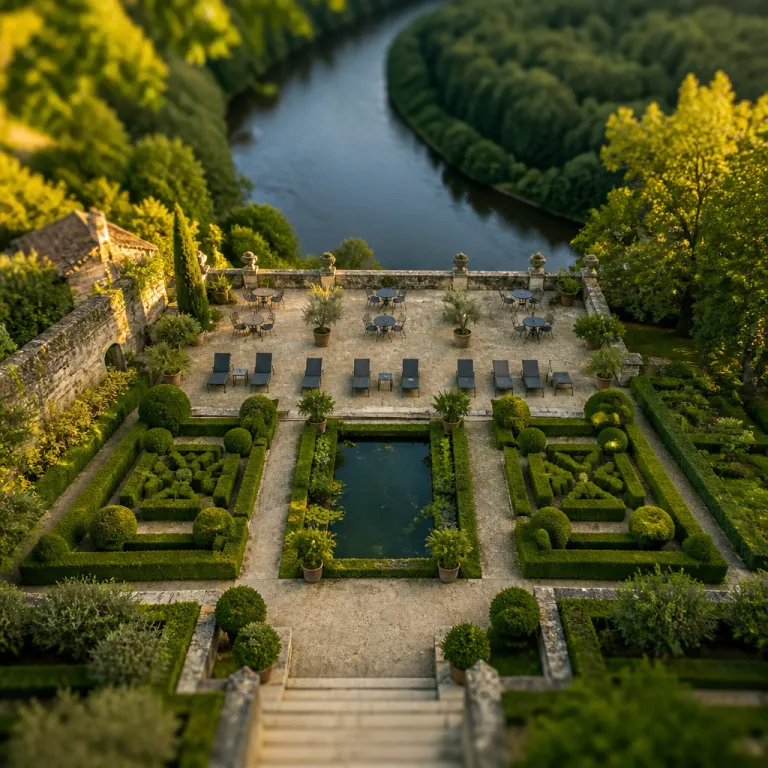
Why Beynac, France is the refined heart of the Dordogne
Beynac, France offers a rare blend of medieval drama and quiet riverside elegance. The hilltop village of Beynac-et-Cazenac rises above the Dordogne River with a sheer cliff crowned by a powerful château, creating one of the most cinematic silhouettes in the Dordogne department. For luxury travellers, this medieval village combines authentic stone houses and narrow lanes with discreet high-end stays that respect the historic fabric of the site.
The local authorities treat the village as a living monument, balancing tourism with preservation through careful planning and heritage funding. According to the 2021 INSEE commune data, Beynac-et-Cazenac has around 550–600 inhabitants spread across 12.57 km², which means that even at busy times you still feel a sense of space and a genuine village rhythm. Municipal information and regional planning documents emphasise clear objectives: preserve historical structures, promote tourism, and support the local economy without sacrificing character.
From the first view of the cliff and the Château de Beynac, you understand why this is considered one of the beaux villages of south-west France. The medieval château dominates the Dordogne, while below, the stone houses of the village step down towards the water in terraces. Luxury and premium hotels here often occupy sensitively restored manor houses or former farms, giving you direct access to the river and the medieval streets while maintaining privacy and calm.
Charming châteaux stays around Beynac et Cazenac
Staying in or near a château in Beynac, France is about immersion rather than ostentation. Around the historic core of Beynac-et-Cazenac, premium properties often sit in former noble estates or dépendances that once served the medieval château, giving guests a tangible link to the past. Many of these charming châteaux frame their suites to capture the view of the cliff, the castle, and the sinuous Dordogne River below.
Several refined hotels and guest estates lie within a short drive of the village, in the wider Cazenac countryside and the Périgord Noir hills. Here, you will find stone houses converted into intimate château-style retreats, with thick walls, exposed beams, and landscaped gardens that slope gently towards the Dordogne. High-end properties often include heated pools, shaded terraces, and private access paths down to the water, allowing guests to enjoy the river in relative peace while day visitors focus on the medieval village above. A typical five-star suite in peak summer might range from €350 to €600 per night, with shoulder-season rates often 20–30% lower.
If you are comparing château options across the region, a specialised guide to atmospheric castles in Aquitaine can help you evaluate which medieval château setting suits your travel style best, and a detailed resource such as a refined guide to Aquitaine’s most atmospheric castles is particularly useful. Around Beynac-et-Cazenac, many properties highlight the story of the Château de Beynac itself, rebuilt in the thirteenth century and long a strategic stronghold on the Dordogne River. When you book a château stay here, you are not just reserving a room; you are choosing a front-row seat on the history of villages in France that once guarded the frontier between rival powers.
Understanding the geography: river, cliff, and Périgord Noir landscapes
The geography of Beynac, France shapes every aspect of a luxury stay, from room orientation to how you move between river and ramparts. The village clings to a limestone cliff that rises above the Dordogne River, with the medieval château perched at the summit like a stone crown. This vertical layout means that many premium hotels and guesthouses are either riverside, with immediate access to the water, or hillside, with panoramic views over the valley and towards La Roque-Gageac.
The wider Périgord Noir region, sometimes called Cazenac Périgord in older local references, is characterised by oak forests, walnut groves, and a patchwork of small fields dotted with stone houses. Luxury properties often occupy elevated positions on the cliff or on nearby ridges, using the natural topography to frame each view of the Dordogne and the surrounding village landscapes. When choosing between options, consider whether you prefer to wake up to the sound of the river below or to look out across a tapestry of medieval villages France has classed among its most beautiful.
For travellers combining Beynac-et-Cazenac with other château-rich corners of the Dordogne department, it can be helpful to compare different micro-regions of Périgord Noir. A curated overview such as staying in style near Château de Hautefort shows how château stays near Hautefort differ from those along the Dordogne River. Around Beynac, the emphasis is firmly on river views, cliff drama, and proximity to both the Château de Beynac and the neighbouring village of La Roque-Gageac, which together create a corridor of medieval châteaux and riverside hamlets.
Key neighbouring villages: La Roque Gageac, Saint-Vincent and beyond
Luxury travellers rarely limit themselves to a single village, and Beynac, France sits at the centre of a constellation of remarkable neighbours. Just along the river lies La Roque-Gageac, often written Roque Gageac, another of the official beaux villages of France with houses pressed against a cliff and exotic gardens above. Many high-end itineraries pair a stay in the village of Beynac with a day exploring La Roque-Gageac by traditional gabarre boat on the Dordogne River.
To the east, small hamlets such as Saint-Vincent-de-Cosse and Saint-Cyprien offer quieter alternatives with easy access back to Beynac-et-Cazenac by car or bicycle. These settlements form part of a wider network of Dordogne villages where stone houses, Romanesque churches, and small châteaux dot the Périgord Noir countryside. When you book a luxury hotel or château stay here, you can design a circuit of medieval village visits, moving between riverbank cafés, hilltop castles, and weekly markets that showcase local produce.
Photographers often base themselves in Beynac to capture early morning photos of the Dordogne, then move along to La Roque-Gageac for late afternoon light on the cliff. From certain terraces in Cazenac, you can frame both the Château de Beynac and the castle at Castelnaud across the water in a single wide view. One local photographer describes the moment just after sunrise as “the time when the river turns silver and the château walls glow,” a detail that captures why this concentration of medieval châteaux, villages France has recognised for their heritage, and dramatic river scenery makes the area one of the most rewarding bases in the Dordogne department for travellers who value both comfort and cultural depth.
Practical booking advice for luxury stays in Beynac et Cazenac
Choosing the right luxury hotel or château near Beynac, France starts with clarifying how you want to experience the village. If you prioritise atmosphere and direct access to the medieval streets, look for properties within walking distance of the main square in the village of Beynac, accepting that parking and gradients will be part of daily life. Travellers who prefer more space and easier access by car often select estates in the Cazenac countryside, where you can enjoy larger grounds and wide-open views of the river.
Many premium properties in Périgord Noir offer flexible cancellation policies and free parking, which is particularly valuable in high season when the narrow lanes of the medieval village fill quickly. When comparing options, pay attention to room orientation and terrace layout, as the best suites often frame a direct view of the Château de Beynac, the cliff, or the curve of the Dordogne River towards La Roque-Gageac. It is also worth checking whether the property provides private river access or partnerships with local boat operators, as this can transform a simple stay into a more immersive Dordogne experience.
For travellers planning a broader Aquitaine itinerary that combines Beynac-et-Cazenac with the vineyards around Bordeaux, timing matters because harvest season can affect both availability and pricing. A specialised resource such as guidance on how to time a Bordeaux visit around the vendange, available through harvest season travel planning, can help you align your Dordogne department stay with wine country excursions. A concise booking checklist used by local concierges is helpful: target late May–June or September–early October for balance of weather and calm; reserve six to nine months ahead for peak summer; confirm parking and access details in writing; and use official tourism offices or municipal contacts for up-to-date event and roadwork information. Remember the local advice often shared with visitors: wear comfortable shoes for steep streets, visit early to avoid crowds, and check the local events calendar for cultural festivals that may enhance or complicate your travel dates.
Cultural context, heritage management, and what to expect on the ground
Understanding how Beynac, France manages its heritage will help you appreciate the care behind each restored façade and cobbled lane. The village was established in the medieval era and later saw the Château de Beynac rebuilt in the thirteenth century, anchoring its role as a strategic stronghold on the Dordogne River. Today, local government, regional tourism boards, historical societies, and businesses collaborate to balance visitor numbers with the preservation of stone houses, ramparts, and the wider Périgord landscape.
Digital heritage initiatives now complement traditional guided tours, with virtual tours allowing travellers to preview the medieval château and village layout before arrival. This innovation supports the broader goals of increasing tourism while maintaining the authenticity that makes Beynac-et-Cazenac one of the most atmospheric Dordogne villages. When you walk through the streets of this medieval village, you are moving through a carefully managed environment where every renovation, from a private home to a luxury hotel, must respect strict architectural guidelines.
Visitors often ask local officials what defines the identity of Beynac beyond its famous castle and cliff. Municipal publications summarise it in a simple statement: "Beynac is a medieval village in France." That concise description captures why Beynac continues to attract travellers seeking more than just photos, offering instead a layered experience of river, stone, and history that underpins every premium stay in this corner of the Dordogne department.
Key figures and practical statistics for Beynac and the Dordogne
- The commune of Beynac-et-Cazenac has around 550–600 inhabitants, according to recent INSEE population data, which helps maintain a genuine village atmosphere even as tourism grows.
- The area of the commune covers approximately 12.57 km², meaning that luxury properties often benefit from generous plots and open views across the Dordogne River valley.
- The average elevation of Beynac is about 150 meters above sea level, with the cliff and château rising higher, which explains the steep streets and the need for comfortable walking shoes.
- The Dordogne department counts several villages classified among the "Plus Beaux Villages de France", including Beynac-et-Cazenac and La Roque-Gageac, creating a dense concentration of heritage sites within a relatively small radius.
- Regional tourism bodies report a steady increase in visitors to Périgord Noir over recent seasons, driven by interest in medieval châteaux, river activities, and high-quality rural accommodation.
FAQ about luxury stays in Beynac, France
What is Beynac best known for among travellers?
Beynac is best known for its remarkably well-preserved medieval architecture and the imposing Château de Beynac that dominates the cliff above the Dordogne River. Travellers value the combination of authentic village life, dramatic scenery, and access to other renowned villages such as La Roque-Gageac. This mix makes it a prime base for luxury stays focused on culture and landscape.
How do I get to Beynac from major French cities ?
Beynac is most easily reached by car, with the nearest major city being Limoges to the north and Bordeaux further to the west. Many visitors arrive via Bergerac or Brive airports, then continue by rental car into the Dordogne department. Bergerac is roughly 70–80 km away (about 1 hour 15 minutes by car), while Brive–Souillac airport lies at a similar distance to the east, and the final approach involves smaller roads that wind through Périgord Noir countryside and along the Dordogne River.
Are there guided tours of the château and village ?
Guided tours are available for both the Château de Beynac and the surrounding medieval village, often led by local experts who explain the site’s role in regional conflicts and trade. Some tours focus on architecture and fortifications, while others highlight daily life in a Dordogne village during the Middle Ages. Private guides can usually be arranged through high-end hotels or specialist agencies.
When is the best time to book a luxury hotel in Beynac ?
The most popular months coincide with warm weather and school holidays, when demand for river activities and château visits peaks. For a quieter experience with easier booking conditions and often more flexible free cancellation policies, consider late spring or early autumn. During these periods, you still enjoy pleasant temperatures and clear views, but with fewer crowds in the medieval streets.
Is Beynac suitable for travellers with limited mobility ?
The steep streets and uneven stone surfaces of the medieval village can be challenging for travellers with limited mobility. However, some riverside areas and certain luxury properties in the Cazenac lowlands offer easier access and flatter paths. When booking, it is essential to discuss specific mobility needs with the hotel so they can recommend the most suitable rooms and arrival routes.