Why château de Hautefort anchors a luxury stay in Périgord
The château de Hautefort rises above the rolling Périgord hills with a theatrical elegance that defines refined travel in Aquitaine. This former medieval fortress, reshaped into a classical residence for the seigneurs of Hautefort, now sets the tone for premium stays that blend heritage with comfort. From the moment you glimpse the silhouette of the castle from the D704 road, you understand why discerning guests choose this corner of Dordogne for a longer visit.
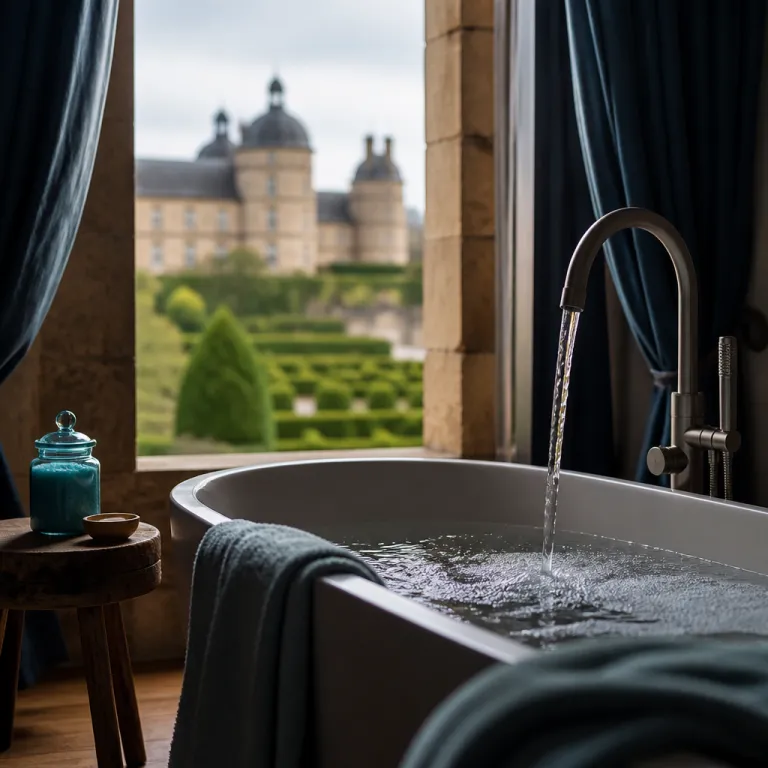
Set in the village of Hautefort in northeastern Dordogne, the estate dominates a landscape where limestone plateaus meet wooded valleys and quiet farms. Luxury hotels and private rentals nearby, such as Château de Hautefort’s own on-site apartments or high-end guest houses in the village, often frame their suites to capture this view of the main building and its sculpted French gardens, turning each room into a living painting. For travellers planning a stay in Périgord Vert or elsewhere in the region, the Hautefort area works as a sophisticated base for exploring both cultural sites and gastronomic addresses.
The château itself is a historical landmark where centuries of work and restoration are visible in every stone. The transformation from fortress to elegant country house in the seventeenth century, followed by twentieth-century campaigns led by Baron and Baroness de Bastard to revive the formal gardens after a major fire in 1968, gives guests a layered narrative to follow during their day on site. When you book a luxury property nearby, you are not only reserving a room; you are effectively securing front row seats to a living lesson in French art de vivre and architectural ambition.
Architecture, gardens and the art of slow travel around Hautefort
Architecturally, château de Hautefort is a masterclass in classical symmetry, with a main courtyard that feels almost theatrical when you step through the gates. The central corps de logis curves in a gentle arc, its slate roofs and pale stone façades catching the Dordogne light in different ways throughout the day. High-end hotels in the area often echo this sense of proportion, using long perspectives, generous windows and calm colour palettes to mirror the château’s understated grandeur.
The surrounding grounds are just as influential for luxury hospitality design in this part of Périgord. The estate combines formal parterres with an English-style park, creating a dialogue between strict geometry and softer, more natural lines. Many premium properties nearby borrow this duality, combining clipped hedges and structured terraces with wilder park edges that open towards the countryside of Périgord Vert.
Guests who value outdoor space will appreciate how the French gardens and the broader landscaped park at Hautefort set a benchmark for les jardins across the region. Hotels and guest houses often design their own green spaces as a contemporary homage, offering breakfast terraces that face manicured lawns or small English-style corners planted with roses and fruit trees. When planning your stay, look for properties that reference the château and village of Hautefort in their descriptions, as these usually signal a thoughtful integration of landscape, architecture and service that suits a slow travel itinerary in Dordogne; for deeper inspiration on riverside retreats, the guide to luxury hotels hiding in Dordogne’s river valleys offers useful comparisons.
History, legends and refined itineraries from Hautefort across Dordogne
Staying near château de Hautefort allows you to weave history into every day of your trip without sacrificing comfort. The site’s roots as a medieval stronghold linked to the turbulent era of the Plantagenets give an extra layer of drama to your morning coffee on a terrace facing the ramparts. When you walk through the main courtyard with a guide, the contrast between the fortress origins and the later classical residence becomes clear in the stonework and the layout.
The château’s evolution across each century also shapes how travellers structure their visits in Dordogne. Many guests pair a day at Hautefort with excursions to other fortified sites along the valley, using curated routes that connect the Périgord Vert landscapes with riverfront villages further west. For those designing a multi-stop luxury itinerary, combining a stay near the village with nights closer to the river cliffs around Beynac creates a satisfying balance between inland calm and dramatic river scenery; the feature on Beynac’s châteaux and luxury stays along the Dordogne valley is a helpful reference.
Local guides often highlight how the château survived the French Revolution and later benefitted from determined restoration campaigns, which now influence cultural tourism strategies. When you choose an upscale hotel or guest house that supports the foundation managing the estate or similar heritage initiatives, your booking contributes directly to ongoing work on the site and its collections. This sense of shared responsibility appeals to travellers who want their time in Périgord to feel meaningful as well as indulgent, especially when they can return in a few years and see tangible progress in the latest restoration phases.
Inside the experience: guided visits, families and refined services
A visit to château de Hautefort can easily anchor an entire day, especially for guests staying in nearby luxury properties. The estate’s team offers guided tours that move from the main courtyard through ceremonial rooms in the principal building, then out towards the terraces overlooking the French gardens. For travellers who appreciate structure, booking a guide in advance ensures that the complex history of the château, from medieval roots to classical residence, unfolds in a coherent narrative.
Families travelling together often choose high-end hotels within a short drive of Hautefort so that children can enjoy both the castle and the countryside without long transfers. The gardens provide ample space for younger visitors to walk, while parents focus on architectural details and the broader story of the noble line that shaped the estate. Many properties offer family suites or interconnecting rooms, allowing everyone to rest comfortably after a full day of cultural visits and gentle walks in the English-style park.
Practical touches matter when you are planning a premium stay around château de Hautefort, from checking opening hours to arranging private transport between your hotel and the village. In high season, the monument generally opens daily, with last entry often scheduled late afternoon; consulting the official website or the latest brochure before you travel helps you avoid surprises. Some concierges can organise timed entries, private guides or even after-hours experiences, aligning the visit with spa appointments or tasting menus back at the property. When you evaluate potential stays, ask how the hotel collaborates with the site’s managing foundation and local guides, as this often reveals the depth of their relationships and the quality of bespoke services they can arrange for your time in Périgord.
Stories of Hautefort: noble families, restorations and living heritage
The narrative of château de Hautefort is inseparable from the families who shaped it, and this human dimension resonates strongly with guests who value authenticity. The original medieval stronghold evolved under the influence of ambitious nobles whose vision transformed a fortress into a refined château that still defines the skyline today. Over the centuries, determined owners and patrons played crucial roles in safeguarding the estate, ensuring that later generations could continue the work of preservation.
Travellers often hear about how one heir, sometimes evoked in local stories as Bertran born into responsibility rather than choice, had to balance personal life with the demands of maintaining such a vast property. These anecdotes, shared by guides during a visit, help guests understand why the current foundation and private donors remain essential for ongoing restoration projects. The careful repair of certain wings and the meticulous maintenance of the formal gardens require constant investment, which is partly supported by tourism and by the attention of visitors who choose to stay in nearby luxury hotels rather than passing through quickly.
Names like David occasionally appear in accounts of more recent restoration campaigns, symbolising the modern professionals who bring technical expertise to this historical stage. Their work ranges from structural consolidation of the main building to the subtle replanting of sections of the English-style park, always with respect for the original landscape design. When you walk through les jardins after a day of exploring the wider Périgord Vert, you are not just admiring static scenery; you are witnessing a living collaboration between past patrons, present experts and the travellers whose stays help finance the château’s future.
Planning a luxury itinerary: from Hautefort to the wider Aquitaine
Using château de Hautefort as a focal point, you can design a sophisticated itinerary that moves gracefully across Aquitaine. Many travellers begin with two or three nights near the village, combining cultural visits with slow mornings in hotels that frame the castle and gardens from their terraces. From there, it is easy to extend your journey towards the vineyards, the Atlantic coast or the quieter corners of Périgord Vert.
One elegant option is to pair a stay near Hautefort in Dordogne with a coastal interlude in the Basque Country, where the rhythm of life shifts again. Planning a weekend by the ocean after time among castles and villages offers a satisfying contrast in both scenery and atmosphere; the detailed feature on a weekend in Saint-Jean-de-Luz where the Basque coast slows down provides a useful framework for this combination. Throughout, choosing premium hotels that understand the expectations of guests interested in heritage ensures that concierge teams can coordinate timings, transfers and curated experiences around each visit.
When you refine your plans, consider how much time you want to devote to the château itself, to the surrounding village and to excursions across Dordogne. Some guests prefer a longer stay near Hautefort, using it as a calm base for day trips to markets, rivers and other historical sites, while others opt for a more mobile route with shorter stops. Whatever your style, anchoring at least part of your journey around château de Hautefort allows you to connect luxury hospitality with a tangible sense of French history, from echoes of medieval power struggles to the careful restoration work unfolding quietly behind the scenes today.
Key figures and practical insights for visiting château de Hautefort
- Château de Hautefort welcomes tens of thousands of visitors each year, according to its official communications, which places it among the most visited historical sites in Dordogne and supports a vibrant local hospitality scene.
- The gardens extend over several hectares, combining formal terraces and an English-style park, giving travellers ample space to walk and photograph without feeling crowded even on busy days.
- The estate’s transformation from medieval fortress to classical château took place mainly between the late sixteenth and late seventeenth century, a period that shaped the current main building and its harmonious façades.
- Guided tours are usually available daily in high season, and checking opening hours before your visit allows you to coordinate private transfers or spa appointments at nearby luxury hotels.
- Standard admission tickets for adults are typically priced in the low double digits in euros, with reduced rates for children and families; verifying current prices online before you travel helps you plan your budget.
- The integration of classical architecture with formal gardens has become a model for other heritage sites in Périgord, influencing how new luxury properties design their own landscaped grounds.
FAQ about château de Hautefort and luxury stays nearby
What is château de Hautefort best known for?
Château de Hautefort is renowned for its classical French architecture and its carefully maintained formal gardens, which contrast with the surrounding rural landscape of Dordogne. The combination of a grand main building, a sweeping main courtyard and terraces overlooking les jardins makes it a reference point for travellers interested in both history and landscape design. Luxury hotels in the area often highlight their proximity to the château as a key advantage for culturally minded guests.
Can you visit château de Hautefort during a hotel stay?
Yes, the château is open to the public and can be easily integrated into a stay at a nearby luxury or premium property. Guests typically spend half a day to a full day on site, combining a guided tour of the interiors with walks through the French gardens and the English-style park. Many hotels in Périgord Vert and the wider Dordogne region can arrange tickets, guides and private transfers to streamline the experience.
Where exactly is château de Hautefort located in Dordogne?
The château stands above the village of Hautefort in northeastern Dordogne, within easy driving distance of other major sites in Périgord. Its hilltop position offers wide views over farmland and wooded valleys, which many nearby hotels and guest houses frame from their rooms and terraces. This location makes it a practical base for exploring both the cultural attractions and the quieter countryside of Aquitaine.
Is château de Hautefort suitable for a family visit?
The site works very well for families, especially when combined with a stay in a comfortable hotel that offers flexible room configurations. Children usually enjoy the scale of the castle, the open spaces of the gardens and the chance to walk along the terraces, while adults focus on the historical narrative and the restoration work. Choosing a property within a short drive of the estate keeps logistics simple and leaves more time for shared experiences.
How should I plan my time between the château and the surrounding region?
Most travellers allocate at least one full day to château de Hautefort, then use additional days to explore nearby villages, markets and river valleys across Dordogne. A balanced itinerary might include two or three nights near the village of Hautefort, followed by stays closer to the Dordogne river or the Atlantic coast for variety. Coordinating with hotel concierges and local guides helps ensure that transfers, visits and dining reservations align smoothly with opening hours and seasonal events at the château.