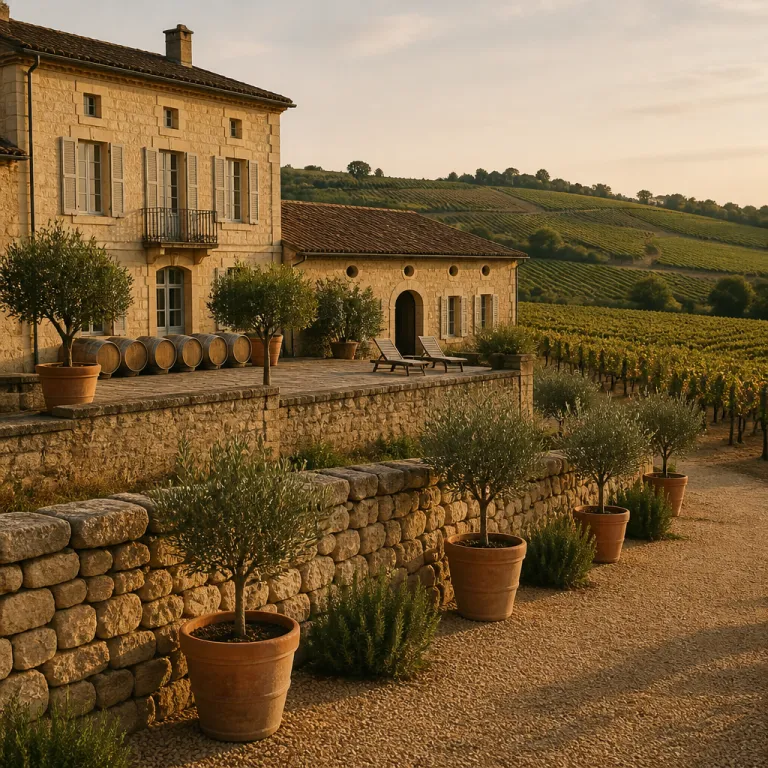
St Emilion vineyard estates for refined stays in Aquitaine
St Emilion in south western France offers a rare blend of medieval village charm and vineyard luxury. This UNESCO World Heritage landscape surrounds the commune of Saint Émilion with more than 5 400 hectares of vineyards, where wine estates and châteaux host discerning guests. For travelers booking premium hotels, the area combines grand cru terroir, serene views over vineyards, and easy access to Bordeaux wine culture.
The town of Saint Émilion grew around the hermitage of the monk Émilion, and its monolithic church carved into the limestone still anchors the skyline. From the bell tower of the church of Saint Émilion, guests enjoy a sweeping view over tiled roofs, monolithic structures, and orderly rows of vines. This medieval village setting gives every stay a sense of continuity between history, wine, and contemporary hospitality.
Saint Émilion is renowned for its wine production and medieval architecture. When you book a luxury hotel or château suite here, you sleep within walking distance of UNESCO heritage monuments and some of the most respected Bordeaux wine appellation vineyards. High end properties often partner with nearby wineries, so guests can taste Saint Émilion wines château by château without leaving the village walls.
Many travelers arrive specifically to understand the difference between Saint Émilion grand cru, grand cru classé, and other cru classifications. A well curated hotel concierge can arrange private tours that explain how Merlot, Cabernet Franc, and Cabernet Sauvignon shape the style of Saint Émilion wines. These tailored experiences help you compare an Émilion grand cru from a limestone plateau with an Émilion blend from clay slopes in a single afternoon.
Because the commune sits only about 40 kilometres from Bordeaux, it works perfectly as a base for exploring wider Bordeaux wine routes. Driving time from central Bordeaux is usually around 45 minutes, whether you arrive by private transfer or rental car, and the regional train from Bordeaux Saint-Jean station takes roughly 35 minutes to Saint-Émilion. Returning to a calm luxury hotel in the Saint Émilion area allows you to enjoy spa facilities, fine dining, and sunset views over vineyards without long transfers.
Local tourism bodies and UNESCO have worked together to balance preservation and modern hospitality. Traditional wine making techniques and the preservation of medieval architecture coexist with contemporary hotel design, discreet technology, and high level service. This integration of modern tourism with historical preservation makes Saint Émilion château stays particularly attractive for guests who value both authenticity and comfort.
Choosing luxury hotels among Saint Émilion vineyards and châteaux
Selecting a luxury hotel in the Saint Émilion area starts with deciding how close you want to be to the medieval village center. Some travelers prefer to stay inside the village, steps from the monolithic church and bell tower, while others choose a grand château surrounded by vineyards a few kilometres away. Both options provide access to wine tours, but the atmosphere and level of seclusion differ significantly.
Properties set within working vineyards often include private tastings of their own Saint Émilion wines and Bordeaux wine selections. You might wake to a view of the Saint Émilion landscape with Merlot and Cabernet rows, then walk with the estate team through parcels of Cabernet Franc and Cabernet Sauvignon. These immersive stays help you understand how each grape variety contributes to the final château profile in both single cru and blended cuvées.
Hotels in the heart of the medieval village focus more on cultural immersion and easy walking access. From a suite overlooking the church Saint André or the Tour du Roy tower, you can explore cobbled streets, artisan shops, and historic cellars within minutes. Many high end properties here collaborate with nearby wineries, arranging transfers to Émilion château estates so guests can enjoy grand cru and cru classé tastings without driving.
Service culture in southwest France tends to be attentive yet discreet, which suits luxury guests who value privacy. When evaluating a property, look for clear descriptions of concierge services, private drivers for vineyard tours, and flexible breakfast or spa hours. For deeper insight into how high end hotels in the region manage this balance, a guide to service culture in southwest France can be helpful, especially when comparing Bordeaux and Saint Émilion expectations.
Room categories at vineyard estates often range from classic doubles to expansive suites with terraces facing the vineyards. In some Saint Émilion grand cru properties, you may find rooms named after specific parcels, vintages, or appellation designations, reinforcing the connection between your stay and the surrounding terroir. Ask whether your chosen room offers direct vineyard views, access to a private garden, or proximity to the estate’s tasting room.
Well established châteaux usually highlight their classification, such as grand cru classé or other cru levels, in their hospitality materials. This is not just marketing; it signals long term investment in both viticulture and guest experience. When a property has maintained cru classé status across generations, it often reflects consistent quality in both its Émilion wines and its approach to welcoming travelers.
Immersive wine experiences from your Saint Émilion hotel
Staying in or near Saint Émilion makes it easy to turn a simple wine tour into a multi day learning experience. Many luxury hotels curate itineraries that move from introductory tastings of Bordeaux wine to focused sessions on Saint Émilion wines and specific crus. This progression helps first time visitors and seasoned collectors deepen their understanding of the appellation without feeling rushed.
Typical programs start with a guided walk through the medieval village, including the monolithic church and its vast underground spaces. From there, guests often climb the bell tower or the nearby Tour du Roy tower for a panoramic view over Saint Émilion vineyards, wineries, and the surrounding countryside. These vantage points make it easier to visualize how soil types, slopes, and exposures influence the style of Émilion wines in different sectors.
Hotel concierges can then arrange private visits to a mix of family owned wineries and larger châteaux. At one stop, you might taste a Merlot Cabernet Franc blend from a limestone plateau grand cru, while at another you compare an Émilion grand cru classé dominated by Merlot and Cabernet Sauvignon from clay rich parcels. Over several visits, patterns emerge in how each Émilion château interprets the Saint Émilion appellation and its cru hierarchy.
For guests who want structured learning, some estates offer vertical tastings of a single grand cru over multiple vintages. Others focus on comparative flights of wines château by château, highlighting differences between cru classé and non classified cuvées. A first timer’s guide to Saint Émilion beyond the tasting room can be a useful reference when deciding which style of visit best matches your interests.
Many programs also include time in the vineyards themselves, not just in cellars and tasting rooms. Walking between rows of Merlot, Cabernet Franc, and Cabernet Sauvignon with a vineyard manager gives concrete context to tasting notes about tannin structure, freshness, and ageing potential. Hotels that prioritize these immersive experiences often attract guests who return regularly to follow the evolution of specific estates and crus.
To round out the experience, some luxury properties coordinate visits to nearby appellations such as Pomerol or other Bordeaux right bank areas. This allows you to compare Saint Émilion styles with neighbouring wines while still returning each evening to the calm of your chosen château or hotel. Over several days, the combination of guided tours, independent walks, and relaxed tastings creates a nuanced understanding of both the wines and the place.
Architecture, heritage, and views that shape your stay
Part of the appeal of staying in Saint Émilion lies in how architecture and landscape frame every moment. The medieval village core retains its original street plan, limestone façades, and fortified elements, which gives even a short walk a strong sense of continuity. From many hotel terraces, you can see both the monolithic church entrance and distant vineyards, linking spiritual history and agricultural present.
The monolithic church of Saint Émilion is one of the largest underground churches in Europe, carved directly into the rock. Guided visits reveal chapels, galleries, and the spaces where the monk Émilion is believed to have lived, prayed, and inspired the settlement that became the commune. Above ground, the church of Saint Émilion bell tower rises as a landmark visible from surrounding vineyards and from many château gardens.
Climbing the bell tower or the nearby Tour du Roy tower rewards guests with a 360 degree view over Saint Émilion and the wider UNESCO heritage landscape. From this height, the patchwork of vineyards, wineries, and small hamlets becomes clear, as do the protective walls of the medieval village. Luxury hotels often schedule private or small group climbs at quieter times of day, allowing guests to enjoy the panorama in relative calm.
UNESCO recognition of Saint Émilion as a World Heritage Site reflects both its cultural and viticultural significance. Local authorities, wine producers, and tourism partners work together to preserve the monolithic structures, historic châteaux, and traditional streetscapes while accommodating visitors. This coordinated effort ensures that new hotel projects respect sightlines to key monuments and maintain harmony with existing stone architecture.
Inside many high end properties, interior design echoes the region’s heritage through materials and art. You may find limestone walls, oak beams, and subtle references to cru classifications or famous vintages in room names and décor. Some hotels commission contemporary works inspired by vineyards, the figure of Saint Émilion, or the story of the monk Émilion to bridge past and present.
Even short walks from your hotel can feel like curated architectural tours. One route might lead from a quiet square near church Saint André to a viewpoint over an Émilion château and its surrounding vines. Another path could take you past monolithic remnants, through narrow lanes, and out to a ridge where you see how the village, vineyards, and distant Bordeaux plains align in a single vista.
Planning vineyard tours and logistics from Saint Émilion
Thoughtful planning transforms a stay in Saint Émilion from a pleasant weekend into a deeply rewarding wine journey. Start by mapping the châteaux and vineyards you most want to visit, balancing famous grand cru names such as Château Ausone, Château Angélus, or Château Cheval Blanc with smaller family wineries. Many luxury hotels maintain close relationships with both types of estates and can secure appointments that are not always available to the general public.
Because distances between wineries are short, it is tempting to schedule many visits in a single day. In practice, two or three well chosen tours allow more time for conversation, vineyard walks, and unhurried tastings of Émilion wines and Bordeaux wine selections. This slower pace also leaves space to appreciate details such as cellar architecture, barrel ageing rooms, and views back toward the medieval village.
Transport is a key consideration, especially when tasting multiple wines château by château. Most premium hotels can arrange private drivers familiar with local roads, appellation boundaries, and the timing of tours. This service lets you focus on comparing Merlot Cabernet blends, Cabernet Franc dominated cuvées, and Cabernet Sauvignon components without worrying about navigation or alcohol limits.
Some travelers like to combine guided days with independent exploration using a detailed Dordogne and Bordeaux region map. A well designed Dordogne France map can elevate your stay in Aquitaine’s most charming châteaux by highlighting scenic routes, river crossings, and lesser known viewpoints. From Saint Émilion, such tools make it easy to extend your itinerary toward the Dordogne valley while still returning to your chosen hotel each evening.
Seasonality also shapes logistics, from vineyard access to restaurant reservations. During harvest, usually from mid September to early October, some estates limit tours but offer unique chances to see grapes arriving, sorting tables in action, and fermentations beginning in tanks. At quieter times, winemakers may have more time to discuss cru classé status, soil studies, and long term plans for their Saint Émilion grand cru parcels.
Finally, remember that the commune of Saint Émilion sits within the larger Nouvelle Aquitaine region, which offers many complementary experiences. You can pair wine focused days with visits to nearby markets, riverside towns, or Atlantic beaches, using your hotel as a stable base. This combination of vineyard immersion and broader regional exploration makes Saint Émilion stays particularly appealing for longer trips.
Elevating your stay with culture, gastronomy, and local traditions
Wine may be the main draw, but a refined stay in Saint Émilion gains depth through culture and gastronomy. The medieval village hosts events ranging from classical concerts in historic churches to exhibitions in former wine warehouses. Many luxury hotels build their calendars around these happenings, suggesting performances or tastings that align with your travel dates.
Local cuisine pairs naturally with Saint Émilion wines, Bordeaux wine, and other regional bottles. Menus often highlight dishes that complement Merlot, Cabernet Franc, and Cabernet Sauvignon, such as slow cooked meats, duck, and seasonal vegetables. Tasting a structured Émilion grand cru alongside a carefully prepared course in a château dining room can be as memorable as any formal tour.
Beyond fine dining, simple pleasures also matter, from morning coffee on a terrace overlooking vineyards to an evening walk under the bell tower lights. Some hotels offer classes on topics such as blending Merlot Cabernet components, reading Bordeaux appellation labels, or pairing Émilion wines with local cheeses. These sessions help guests feel more confident when selecting wines château by château in restaurants or shops.
Saint Émilion’s status as a UNESCO heritage site encourages respect for local traditions and crafts. Artisans produce items ranging from ceramics inspired by monolithic motifs to textiles featuring stylized vines and towers. Purchasing directly from workshops in the medieval village supports the local economy and creates tangible memories of your stay.
Guides often recommend three simple experiences that capture the spirit of the commune. Visit during the annual wine festival, explore the monolithic church, and try local macaroons fresh from a village bakery. Combined with time in vineyards and châteaux, these moments round out a picture of Saint Émilion as both a living community and a world class wine destination.
As tourism grows, local government, UNESCO, and wine producers continue to refine how they welcome visitors while preserving authenticity. Their shared goals are to preserve cultural heritage, promote the local economy through tourism, and maintain high quality wine production. For guests booking luxury and premium hotels, this coordinated effort translates into well managed visits, informed guides, and a setting where history, wine, and hospitality remain in careful balance.
Key figures and facts about Saint Émilion vineyard estates
- Saint Émilion and its surrounding appellation include about 5 400 hectares of vineyards, according to data commonly cited by regional wine bodies, which makes it one of the most densely planted fine wine areas in Nouvelle Aquitaine.
- The historic core of Saint Émilion, including its vineyards and monolithic structures, has been listed as a UNESCO World Heritage Site since the late twentieth century, recognizing both cultural and viticultural value.
- Vine growing in the area dates back at least to the 2nd century, when Romans planted the first vineyards, showing that wine production has shaped the landscape for more than eighteen centuries.
- The monk Émilion settled in the area in the 8th century, and his hermitage later became the nucleus of the town that now hosts many of the region’s luxury hotels and wine estates.
- Saint Émilion is widely known for its Merlot dominated blends, often complemented by Cabernet Franc and smaller amounts of Cabernet Sauvignon, which together define the classic right bank Bordeaux style.
FAQ about luxury stays and vineyard estates in Saint Émilion
What is Saint Émilion best known for among travelers ?
Saint Émilion is best known for its combination of fine wine production and remarkably preserved medieval architecture. Visitors come for grand cru and cru classé châteaux, the monolithic church, and the atmosphere of the UNESCO listed village. This mix makes it especially attractive for luxury travelers seeking both culture and vineyard experiences.
When was Saint Émilion designated a UNESCO World Heritage Site ?
Saint Émilion was designated a UNESCO World Heritage Site in 1999. The listing covers the historic village, surrounding vineyards, and key monuments such as the monolithic church and bell tower. This status helps protect the landscape while guiding how new hotels and tourism infrastructure are developed.
Who was the monk Émilion and why is he important ?
Émilion was an 8th century monk who settled in the area that now bears his name. His hermitage and subsequent following formed the basis of the community that became the town of Saint Émilion. The monolithic church and several local traditions still reference his life and influence.
How large is the vineyard area around Saint Émilion ?
The vineyard area around Saint Émilion covers roughly 5 400 hectares, according to figures often cited by regional authorities and reference works. These vineyards produce a wide range of wines, from village level cuvées to prestigious grand cru and cru classé bottlings. Many luxury hotels sit either within or directly overlooking these planted slopes.
What types of wine grapes dominate in Saint Émilion blends ?
Saint Émilion blends are typically dominated by Merlot, which thrives on the region’s clay and limestone soils. Cabernet Franc plays a crucial supporting role, adding structure and aromatic lift, while Cabernet Sauvignon appears in smaller proportions. Together, these varieties create the supple yet ageworthy style associated with Saint Émilion wines.