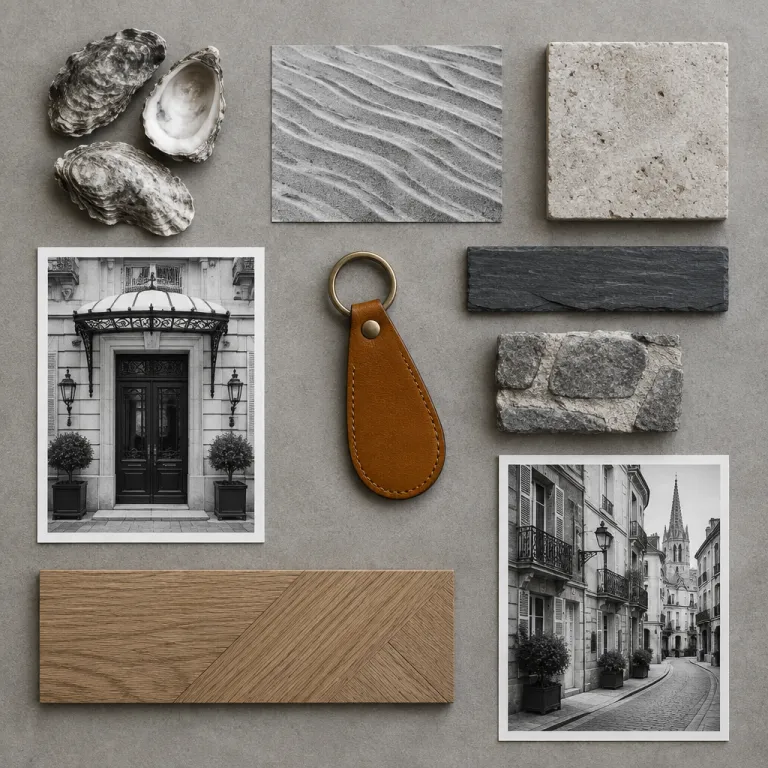
How Aquitaine fits among the most refined parts of France
Aquitaine sits quietly on the Atlantic coast yet rivals the most celebrated parts of France. Within this historic région of Nouvelle Aquitaine, luxury hotels cluster around vineyards, estuaries, and discreet city hideaways that appeal to demanding French and international guests. When you read about the best addresses here, you quickly see how this region of France balances heritage, gastronomy, and contemporary comfort.
Understanding how Aquitaine compares with other regions of France helps you plan a coherent trip that links wine, coastline, and culture. Paris, the capital of France, offers grand palace hotels, while Aquitaine focuses on intimate palaces in cities such as Bordeaux and in smaller cities like Bayonne or Pau that feel more personal. Many travellers pair a stay in the capital with several departments in Nouvelle Aquitaine, using high speed trains to move between cities and regions with minimal effort.
Within the wider map of regions in France, Aquitaine connects naturally to the Loire Valley, the Pyrénées, and the Atlantic islands. A refined road trip can start in Île de France around Paris, continue through Centre Val de Loire and the Val de Loire vineyards, then reach the pays de la Loire coast before arriving in Aquitaine for longer stays. This itinerary lets you compare the character of each region, from château hotels along the Loire to urban retreats in Bordeaux, all while appreciating how different parts of France interpret luxury.
Urban elegance in Bordeaux and Aquitaine’s historic cities
Bordeaux is the natural gateway to Aquitaine and one of the most graceful cities in France. The historic centre, shaped by the Garonne river, offers a dense collection of five star hotels housed in classical stone mansions that reflect the city’s wine trading past and its role within the Nouvelle Aquitaine region. Many visitors combine a few nights in Bordeaux with time in smaller Aquitaine cities to experience both metropolitan energy and quieter streets.
Within the broader regions of France, Bordeaux competes with cities such as Lyon in Auvergne Rhône Alpes or Strasbourg in Grand Est for the title of most liveable French city. Yet Bordeaux’s scale, around 260 000 inhabitants in the city proper, keeps it manageable for a short luxury trip, especially if you value walkable districts and riverside promenades. From here, you can reach the vineyards of the wider region of France, the Atlantic beaches, or the Dordogne valley in under two hours by car, which makes it an ideal base for a multi stop itinerary across several departments.
Travellers interested in medieval architecture often extend their Aquitaine stay to Sarlat la Canéda, one of the most atmospheric cities in the Dordogne. High end properties in Sarlat focus on stone townhouses, quiet courtyards, and pools hidden behind thick walls, which suits guests seeking privacy during a longer trip. For a curated overview of refined stays in this area, many travellers consult a specialist guide to luxury hotels in Sarlat and the Dordogne before finalising their bookings.
Riverside and village retreats across Nouvelle Aquitaine
Beyond the main cities, some of the most memorable parts of France for luxury stays lie in riverside villages and countryside hamlets. Nouvelle Aquitaine excels here, with properties along the Dordogne, the Lot, and smaller tributaries that offer direct river access, landscaped gardens, and gastronomic restaurants. These hideaways contrast with the more formal château hotels of the Loire Valley or the coastal resorts of Provence Alpes Côte d’Azur, giving you a different perspective on French rural elegance.
Brantôme in Périgord Vert is a prime example, often called the Venice of Périgord because the Dronne river encircles the town. Several premium hotels occupy former mills or abbey buildings, combining stone vaults with contemporary suites and spa facilities that appeal to both French guests and international visitors. If you plan a road trip through the northern departments of Nouvelle Aquitaine, a detailed guide to serene luxury stays in Brantôme can help you compare room categories, river views, and seasonal rates.
These rural retreats also integrate well into longer itineraries that link several regions in France. You might start in Brittany for wild Atlantic scenery, continue south through Pays de la Loire and the Val de Loire vineyards, then cross into Aquitaine for a slower rhythm among walnut groves and limestone cliffs. Such a trip highlights how different regions, from Lower Normandy to Nouvelle Aquitaine, reinterpret the idea of a countryside escape while remaining unmistakably French.
Comparing Aquitaine with other coastal regions of France
When travellers evaluate coastal parts of France for a luxury holiday, they often compare Aquitaine with Normandy, Brittany, and Provence Alpes Côte d’Azur. Aquitaine’s Atlantic shoreline stretches for hundreds of kilometres, with pine forests, dunes, and discreet resorts that favour space over density. This contrasts with the more compact coves of the Côte d’Azur or the dramatic cliffs of Upper and Lower Normandy, where hotels often perch directly above the sea.
On the Mediterranean side, the Provence Alpes Côte d’Azur region offers iconic names such as Saint Tropez, Cannes, and Nice along the Côte d’Azur. These cities specialise in glamorous seafront palaces, private beach clubs, and marinas, which create a very different atmosphere from the surf towns and oyster villages of Aquitaine. Travellers who prefer quieter luxury often choose Aquitaine for longer stays, then add a few nights in the Alpes Côte d’Azur area to experience both Atlantic and Mediterranean coasts within a single trip.
Normandy and Brittany, two other maritime regions of France, provide yet another contrast with Aquitaine. In Normandy, especially around Deauville and Honfleur, grand hotels face the Channel and attract Parisian weekend visitors from Île de France, while Brittany offers thalassotherapy resorts and granite harbours that feel more rugged. By combining these regions with Aquitaine in one carefully planned road trip, you can experience four distinct coastal cultures within France, each with its own approach to gastronomy, spa traditions, and hotel design.
How Aquitaine connects to inland regions and mountain escapes
Luxury travellers rarely limit themselves to a single region of France, and Aquitaine connects efficiently to several inland areas. To the east, the Auvergne Rhône Alpes region offers mountain resorts in the French Alpes, where five star hotels focus on ski in ski out access and panoramic spas. Many guests pair a week in the Alpes with a few days in Aquitaine, using high speed trains between Lyon, Paris, and Bordeaux to keep the trip comfortable.
Further north, Bourgogne Franche Comté and the Grand Est region provide wine and cultural experiences that complement Aquitaine’s vineyards. In Bourgogne Franche Comté, properties around Beaune and Dijon specialise in gastronomic packages, while in Grand Est, cities such as Reims and Strasbourg combine Champagne houses with riverfront hotels. Travellers who read widely about these regions of France often design a circular itinerary that includes Aquitaine, the Loire Valley, and at least one eastern region, ensuring a balance between Atlantic light and continental seasons.
Some itineraries also integrate Corsica or the overseas departments for a more adventurous interpretation of the best parts of France. Corsica offers mountain to sea landscapes within short driving distances, with luxury hotels overlooking bays or perched in hilltop villages, while the overseas territories in the Caribbean or Indian Ocean provide tropical climates under the French flag. When you compare these destinations with Aquitaine, you see how diverse the regions of France can be, yet how consistently they value hospitality, gastronomy, and a strong sense of place.
Planning a refined multi region road trip with Aquitaine at its heart
Designing a luxury road trip that links several parts of France requires careful pacing and realistic driving stages. Many travellers start in Île de France for a few nights in Paris, then follow the Loire river through the Centre Val de Loire and the Loire Valley before reaching Aquitaine. This route passes through the pays de la Loire and the Val de Loire vineyards, allowing you to compare château hotels with urban retreats and countryside estates.
From Aquitaine, you can continue south into the former Midi Pyrénées area, now part of Occitanie, where cities such as Toulouse and Albi offer red brick architecture and riverside hotels. Another option is to head north through the Hauts de France region, stopping in cities like Lille or Amiens before returning to Paris or crossing into Belgium. Whichever direction you choose, Aquitaine works well as the central chapter of the journey, offering both Atlantic beaches and inland valleys that contrast with the rest of the regions of France.
Timing also matters, especially if you want to avoid peak tourist crowds while still enjoying warm weather. Many seasoned travellers consider early autumn the best moment to experience Aquitaine, when vineyards are active and coastal towns feel calmer, a perspective explored in depth in this guide to visiting Aquitaine when it feels most authentic. By aligning your dates with regional events, from wine harvests in Nouvelle Aquitaine to festivals in Brittany or Lower Normandy, you transform a simple trip into a coherent narrative across multiple regions of France.
Key figures and trends in French luxury travel
- France consistently ranks as the world’s most visited country, welcoming around 90 million international tourist arrivals annually according to Atout France’s pre pandemic statistics (2019), which underlines the importance of regions like Nouvelle Aquitaine in the global travel landscape. For up to date data, consult the official Atout France or UNWTO statistical releases.
- Île de France, which includes Paris, concentrates roughly 20 percent of all hotel capacity in the country, while regions such as Nouvelle Aquitaine, Provence Alpes Côte d’Azur, and Auvergne Rhône Alpes share much of the remaining high end inventory across cities and coastal resorts. This order of magnitude is regularly cited in French tourism observatories; travellers should check the latest regional reports for precise figures.
- The Loire Valley, stretching across Centre Val de Loire and Pays de la Loire, counts more than 300 listed châteaux, many of which host luxury hotels or guest wings, making it one of the densest concentrations of heritage accommodation in Europe. The French Ministry of Culture’s Mérimée database and regional tourism boards provide detailed, verifiable inventories.
- In the French Alpes, particularly within the Auvergne Rhône Alpes region, ski resorts generate a significant share of winter tourism revenue, with some flagship stations recording hundreds of thousands of skier days each season and supporting a network of five star mountain hotels. Figures are published each year by Domaines Skiables de France and regional tourism agencies.
- Coastal regions such as Brittany, Normandy, and Provence Alpes Côte d’Azur together account for a large proportion of summer overnight stays in France, while Atlantic destinations in Nouvelle Aquitaine have seen steady growth in high end capacity as travellers seek alternatives to the more crowded Côte d’Azur. Recent trends can be tracked through INSEE tourism statistics and regional observatories.
FAQ about luxury and premium stays in Aquitaine and other French regions
How many days should I plan for a luxury stay in Aquitaine ?
For a balanced itinerary, plan at least five to seven days in Aquitaine, splitting time between Bordeaux, a riverside town such as Brantôme or Sarlat, and the Atlantic coast. This duration allows you to enjoy wine tastings, city culture, and beach walks without rushing. If you are combining Aquitaine with other regions of France, consider extending the overall trip to ten or fourteen days.
Is it easy to combine Aquitaine with the Loire Valley and Paris in one trip ?
Yes, high speed trains connect Paris to Bordeaux in about two hours, and regional trains or car rentals make it straightforward to reach the Loire Valley from either city. Many travellers start in Paris, continue to the Loire Valley for château stays, then finish in Aquitaine for a more relaxed atmosphere. This sequence keeps driving times reasonable while showcasing three very different parts of France.
When is the best period to avoid crowds in Aquitaine’s luxury hotels ?
Late spring and early autumn usually offer the best balance between pleasant weather and manageable visitor numbers. Coastal resorts are quieter outside school holidays, while wine regions around Bordeaux and the Dordogne remain active with local life. Booking midweek rather than weekends can also secure better availability in high demand properties.
How does Aquitaine compare with Provence Alpes Côte d’Azur for high end stays ?
Aquitaine emphasises space, Atlantic beaches, and wine culture, with many properties surrounded by vineyards or forests, while Provence Alpes Côte d’Azur focuses on Mediterranean glamour, marinas, and hillside villages overlooking the sea. Prices on the Côte d’Azur can be higher in peak season, especially in iconic cities such as Cannes or Saint Tropez. Travellers who prefer a calmer atmosphere often choose Aquitaine for longer stays and add a shorter visit to the Mediterranean coast.
Do I need a car to enjoy luxury hotels in Aquitaine and nearby regions ?
A car is highly recommended if you want to explore vineyards, villages, and coastal areas beyond the main cities, as many of the most charming properties sit in rural locations. However, you can still enjoy a rich experience using trains and private transfers between Paris, the Loire Valley, Bordeaux, and selected towns. Some high end hotels also arrange chauffeur services or electric bike rentals to reduce the need for constant driving.