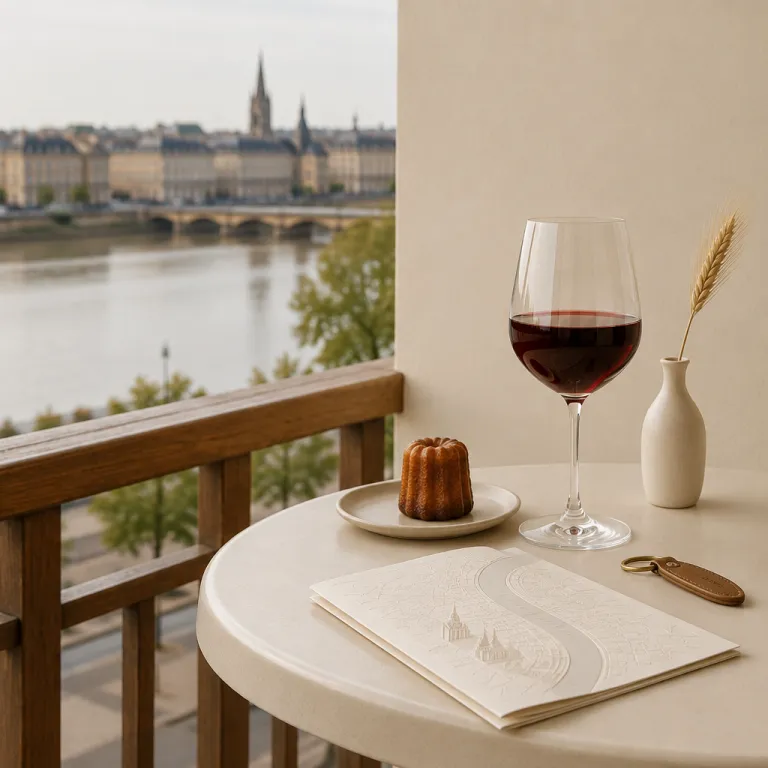
Strolling the historic centre and riverfront in Bordeaux city
The most elegant things to do in Bordeaux city begin with a slow walk through its historic centre. This compact area of the city is a UNESCO World Heritage site, and every small square or stone façade feels worth a quiet pause during your visit. Plan at least one full day to wander from the Garonne river to the main cultural streets, so you can feel how southwest France shaped this graceful urban landscape.
Start your walk near the river quays and head towards Place de la Bourse, where the Miroir d’Eau reflects the classical architecture in a way that makes even a short weekend in Bordeaux feel cinematic. Many travellers consider this place the visual symbol of Bordeaux city, and it is one of the best things to photograph at sunrise, mid day, and after dark. From here, you can follow the river promenade towards the Chartrons district, a good option if you enjoy wine history, antique shops, and relaxed cafés.
Inside the historic centre, explore the Saint Pierre and Saint Paul quarters, where narrow streets open suddenly onto lively squares filled with terraces and wine bars. These areas show how the city balances its grand eighteenth century avenues with intimate, small scale neighbourhood life, which is part of what makes Bordeaux in France so appealing. If you stay in a luxury hotel near the centre, you can easily return on foot after a late night glass of Bordeaux wine or a final walk along the river.
Wine culture, Cité du Vin and refined tastings around Bordeaux
Any list of things to do in Bordeaux city must give pride of place to wine, because the region has shaped global wine culture for centuries. The Cité du Vin offers an immersive museum experience that explains how vin from Bordeaux and beyond connects landscapes, people, and gastronomy. Allocate half a day for this visit, since the multi sensory exhibits, temporary exhibitions, and the panoramic tasting bar at the top floor reward unhurried exploration.
Luxury travellers often combine the Cité du Vin with a private wine tour that departs from the city and heads into the vineyards, which turns a simple day trip into a curated cultural excursion. Many premium hotel concierges maintain relationships with top châteaux, so they can arrange a bespoke Bordeaux wine tasting that includes barrel samples, château lunches, and vertical tastings that are usually reserved for professionals. Well informed booking services focused on Aquitaine can also match your hotel location with specific estates and transport services, whether you visit renowned properties such as Château Pape Clément or smaller family run domaines.
Within Bordeaux itself, the Chartrons district and the streets around Saint Pierre offer refined wine bars where you can taste both small producer wines and grand crus by the glass. These intimate places are ideal for understanding how the city drinks its own vin, and they complement more formal wine tour experiences in the countryside. For travellers who want to extend their cultural immersion beyond Bordeaux, a stay in the Dordogne with a focus on prehistory and gastronomy can be planned through specialised guides that cover Les Eyzies and other key sites.
Day trips from Bordeaux city: Saint-Émilion, Arcachon and Dune du Pilat
When you consider the best things to do in Bordeaux city, it quickly becomes clear that some of the most memorable experiences lie just beyond the urban limits. The medieval village of Saint-Émilion, often written as Saint Emilion, is one of the most popular day trips, and its limestone lanes, monolithic church, and surrounding vineyards make every walk feel cinematic. A curated day trip to Saint-Émilion from Bordeaux usually includes a guided tour of the historic centre, a visit to underground cellars, and tastings of both grand cru and small estate wines.
Another essential day trip leads west to the Atlantic coast, where Arcachon Bay and the Dune du Pilat offer a striking contrast to the city’s classical stone. The Dune du Pilat, sometimes written as Dune Pilat, is the highest sand dune in Europe at more than 100 metres, and climbing it rewards you with sweeping views over the ocean and the Landes forest. Many luxury hotels in Bordeaux can arrange private transfers, so you can enjoy the dune and a seafood lunch in Arcachon before returning to the city for an evening at one of its refined wine bars. By train, Bordeaux to Saint-Émilion via Libourne takes around 40 minutes, while Bordeaux to Arcachon averages 50 to 55 minutes, which makes both destinations easy to combine with a city based stay.
For travellers arriving by train at Gare Saint-Jean, or Saint Jean station, a well designed itinerary can link these day trips with a slow travel philosophy that reduces stress. High end booking platforms increasingly highlight rail based itineraries, and some even curate experiences around how train travel is reshaping the Aquitaine luxury experience. This approach allows you to enjoy Bordeaux city as a comfortable base, while using efficient regional trains and private drivers to reach Saint-Émilion, Arcachon, and other parts of southwest France in a single, well paced day.
Neighbourhoods, markets and gourmet walks in Bordeaux
Beyond the grand monuments, some of the most rewarding things to do in Bordeaux city involve exploring its neighbourhoods and food markets at a slower rhythm. The Saint Michel and Saint Paul quarters, close to the river, offer a mix of antique shops, small galleries, and traditional cafés that feel very different from the polished façades near Place de la Bourse. A morning walk through these streets, followed by a visit to a local market, gives you a sense of how the city actually eats and shops.
Marché des Capucins, often shortened to Marché des Capus, is the main food market and a good place to taste oysters, canelés, and charcuterie alongside locals. Many luxury hotels now collaborate with private guides who design gourmet walks that start at the market, continue through the historic centre, and finish with a relaxed tasting in one of the city’s wine bars. If you enjoy structured itineraries, local platforms and blogs publish themed routes that help you connect different things Bordeaux offers, from street art to pastry shops, in a single coherent day.
Travellers who plan a longer weekend in Bordeaux often combine urban food experiences with regional excursions, such as a Basque country tasting tour in Bayonne. For example, you can follow a detailed walking route focused on the Basque capital’s best food shops, then return to Bordeaux for a final evening along the river. This blend of city markets, regional flavours, and carefully chosen hotels turns a simple stay into a layered gastronomic journey across southwest France.
Architectural highlights and cultural landmarks in Bordeaux city
Architecture lovers will find that many of the essential things to do in Bordeaux city revolve around its monumental buildings and carefully restored public spaces. The Pey Berland tower, next to the Saint-André cathedral, offers a demanding climb but rewards you with panoramic views over the city’s slate roofs and the river. Booking a hotel within walking distance of this area allows you to visit early in the day, when the light is soft and the crowds are still small.
From Pey Berland, you can walk towards the Garonne and cross the river via the Pont de Pierre, which frames the skyline and Place de la Bourse in a particularly elegant way. Many travellers consider this axis between the cathedral, the river, and the Miroir d’Eau to be the main ceremonial route of Bordeaux, and it is especially atmospheric at dusk. Along the way, you pass through quarters such as Saint Pierre and Chartrons, where the façades of former négociant houses remind you that Bordeaux wine once travelled from these very quays to every corner of France and beyond.
Cultural institutions such as the Musée d’Aquitaine and the CAPC Musée d’Art Contemporain deepen your understanding of how the city evolved from a trading port to a refined cultural capital. Luxury and premium hotels often curate private visits or after hours access to exhibitions, which can be a good option if you value quiet, in depth experiences. When you combine these cultural visits with a riverfront walk and a glass of vin in a nearby bar, you create a balanced day that feels both enriching and relaxed. For practical planning, note that major museums and the Cité du Vin typically open from late morning to early evening, with extended hours in peak season, so checking official schedules and booking timed tickets in advance is recommended.
Planning a luxury stay in Bordeaux and Aquitaine
Choosing the right hotel is one of the most strategic things to do in Bordeaux city, especially if you want to use it as a base for wider Aquitaine explorations. Properties near the historic centre place you within a short walk of major sites such as Place de la Bourse, the Miroir d’Eau, and the main shopping streets, which is ideal for a first visit. Hotels in Chartrons or along the river offer a quieter atmosphere and easy access to wine bars, antique shops, and the Cité du Vin.
For travellers planning several day trips, staying near Gare Saint-Jean can be a good option, because it simplifies early departures towards Saint-Émilion, Arcachon, or even the Basque coast. High end booking platforms dedicated to Aquitaine often provide curated filters such as proximity to wine tour departures, private parking for chauffeur services, or in house concierges who specialise in Bordeaux wine experiences. This level of detail matters when you want each day to flow smoothly from breakfast in the city to tastings in the vineyards and back to a calm, elegant room.
Many guests now design a weekend in Bordeaux that combines urban culture, a Saint-Émilion day trip, and at least one coastal excursion to the Dune du Pilat or Cap Ferret. When you book through a platform that understands both the city and the wider region, you can align check in times, transport schedules, and restaurant reservations into a single, coherent itinerary. The result is a stay where every walk, every glass of vin, and every view of the river feels intentional rather than improvised, which is precisely what luxury travel in southwest France should offer.
Key figures about Bordeaux tourism and wine
- Bordeaux attracts more than 6 million visitors each year, according to Bordeaux Métropole, which confirms its status as one of the most visited cities in southwest France.
- The Bordeaux wine region covers roughly 110 000 hectares of vineyards, based on data from the Conseil Interprofessionnel du Vin de Bordeaux, making it one of the largest quality wine regions in the world.
- Wine tourism in Bordeaux generates an estimated 6 million overnight stays annually, as reported by Atout France, showing how closely hotel demand is linked to vineyard visits and tastings.
- The Cité du Vin welcomes around 400 000 visitors per year, according to the Fondation pour la Culture et les Civilisations du Vin, which places it among the major cultural attractions in France outside Paris.
- More than 350 classified historic monuments are listed within Bordeaux, based on figures from the French Ministry of Culture, underlining why the city’s historic centre holds UNESCO World Heritage status.
FAQ about things to do in Bordeaux city
What are the must see sights for a first time visit to Bordeaux ?
For a first stay, focus on the historic centre, Place de la Bourse, the Miroir d’Eau, the Saint-André cathedral with the Pey Berland tower, and the riverfront promenade. These areas can all be reached on foot from most central hotels, which makes them ideal for a short city break. If time allows, add the Cité du Vin and an evening in the Chartrons or Saint Pierre quarters.
How many days should I plan in Bordeaux if I want day trips ?
To enjoy both the main city sights and at least one day trip, plan a minimum of three nights. This allows one full day in Bordeaux, one day in Saint-Émilion or Arcachon, and a flexible day for markets, museums, or a second excursion. Luxury travellers often extend to five nights to include the Dune du Pilat and additional wine tours without rushing.
Is Bordeaux a good base for exploring wider Aquitaine ?
Bordeaux is an excellent base because high speed trains, regional lines, and quality roads connect it to Saint-Émilion, the Médoc, Arcachon Bay, and the Basque coast. Many premium hotels and booking platforms can coordinate private drivers or small group tours that depart directly from the city. This makes it easy to enjoy varied landscapes while returning each evening to a comfortable urban hotel.
Do I need a car to enjoy wine tours around Bordeaux ?
A car is not essential, especially if you prefer to taste wine without worrying about driving. Numerous operators offer shared or private wine tours to Saint-Émilion, the Médoc, and other appellations, often with pick up points near central hotels or Gare Saint-Jean. High end booking services can also arrange chauffeured vehicles for fully bespoke itineraries.
When is the best time of year to visit Bordeaux for wine and culture ?
Spring and early autumn are particularly pleasant, with mild temperatures, active vineyards, and fewer crowds than peak summer. These periods are ideal for combining city walks, cultural visits, and vineyard tastings in a single trip. Harvest season can be especially atmospheric, but it requires early hotel and tour reservations due to high demand.