World Tourism Day in Aquitaine: beyond the towel card
World Tourism Day lands in Aquitaine just as the light softens over the vineyards and the Atlantic swells shift. For a solo traveler drawn to sustainable responsible travel Aquitaine, this is the moment to look past slogans and ask how your hotel stay shapes the region’s tourism and daily living. Responsible luxury here means understanding how wine estates, riverfront mansions and ocean facing retreats sit inside fragile nature rather than floating above it.
Along the coast of south west France, erosion is eating dunes near the Parc naturel marin du Bassin d’Arcachon and pushing planners to rethink tourism sustainable growth. Inland, prestigious Bordeaux appellations face water stress and shifting flora and fauna patterns, while heritage villages such as Saint Émilion feel the weight of peak season tourism and responsible management becomes a survival strategy. When you book a premium room, your choices either support sustainable development in these natural areas or quietly increase pressure on already stretched parks and landscapes.
True sustainable tourism in Nouvelle Aquitaine starts before you arrive, with the decision to travel by train into Bordeaux Saint Jean station rather than fly into another national hub. From there, public transport and regional rail lines reach wine country, surf towns and natural park gateways, allowing slow tourism to replace frantic weekend hopping. This slower rhythm reduces your carbon footprint and opens space for ecotourism experiences that connect you to local heritage instead of just ticking off sights to discover.
How sustainable luxury actually works in Aquitaine hotels
In the best properties aligned with sustainable responsible travel Aquitaine, environmental claims start in the kitchen rather than on the bathroom door. Chefs work with a tight sourcing radius, building menus around seasonal produce, slow food principles and wine lists that privilege independent Bordeaux and Nouvelle Aquitaine estates over anonymous national brands. When a hotel can name the farmer behind your goat cheese or the oyster park that supplied your platter, you are seeing responsible tourism translated into daily practices.
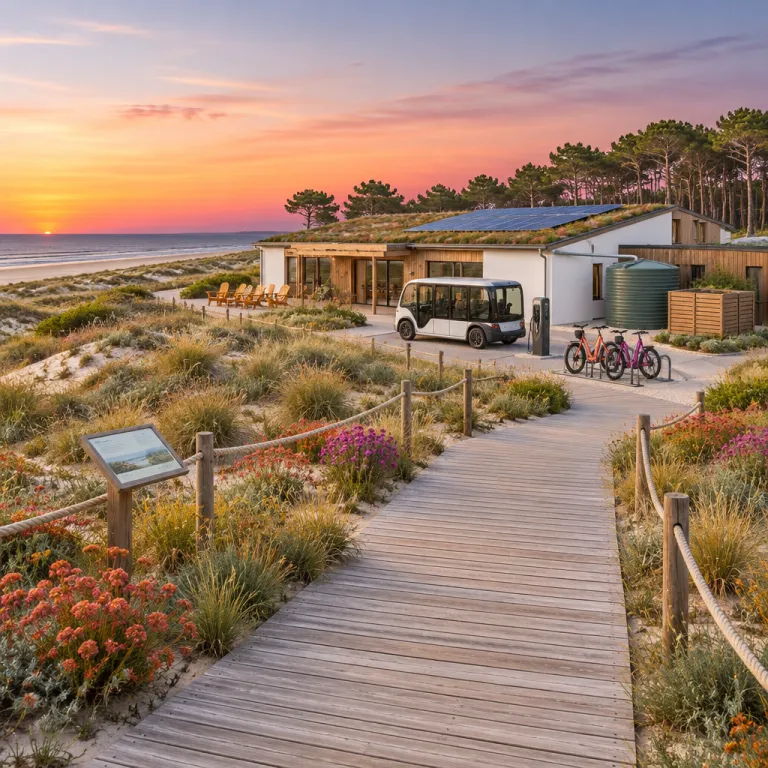
Energy and water management are less photogenic but more decisive for eco friendly and eco responsible hospitality. Look for discreet solar panels, rainwater systems for garden irrigation, and rooms cooled by thick stone walls rather than aggressive air conditioning, especially in restored heritage buildings near the Dordogne or in the Landes forest. Staff recruited from the local village rather than a distant agency signal that tourism supports long term living conditions and sustainable development in the community, not just seasonal profit.
Some of the most interesting eco luxury hotels in the region, highlighted in guides to sustainable elegance in the heart of France, treat their grounds as protected natural spaces rather than ornamental backdrops. Paths are left unpaved to protect soil, lighting is dimmed to respect nocturnal fauna, and natural areas are managed like a small natural park instead of a golf course. For a solo traveler, these details turn slow tourism from a marketing line into a tangible experience of nature, where ecotourism and comfort coexist without pretending that impact has vanished.
Labels, trade offs and the limits of green luxury
On World Tourism Day, sustainable responsible travel Aquitaine also means reading the fine print on hotel claims. Eco label certifications can help, especially when they are backed by transparent audits and clear criteria on energy, water, waste and sourcing rather than vague eco language. Before you book, take five minutes to check what certified sustainable actually means at a French hotel through resources such as our guide to decoding the labels.
Luxury and low impact will always sit in creative tension, especially in a region where wine, pools and spas define many stays. A heated infinity pool overlooking a national park style landscape, a private driver for wine tourism, or a vast suite for one person all carry a carbon footprint that no eco label can erase. The most honest properties in France acknowledge these trade offs and focus on committed sustainable improvements such as renewable energy, reduced water use in vineyards and gardens, and partnerships with protected natural parks rather than promising impact free indulgence.
For a solo traveler, responsible tourism is less about perfection and more about direction. Choosing a smaller property that limits room numbers, supports local artisans and uses public transport links for excursions will usually reduce ecological impact more than any single technology fix. When you ask how a hotel balances guest expectations with sustainable travel goals, you push the industry toward practices that respect both heritage and the fragile nature that underpins Aquitaine’s appeal.
How your choices move the needle in Aquitaine
Every decision you make on a trip shapes sustainable responsible travel Aquitaine, from the season you choose to the length of your stay. Arriving by train, traveling in the shoulder months and staying four nights instead of two all spread tourism more evenly across the year and region. This slower pattern of travel supports sustainable tourism by easing pressure on honeypot sites while giving you time to explore lesser known natural areas and coastal parks.
Once on the ground, favor public transport, cycling or walking for short distances, especially in compact wine towns and along river valleys. When you do need a car, consider electric rentals and ask your hotel about charging options, which signals demand for eco responsible infrastructure. Spend with local producers, from independent winegrowers to markets and slow food bistros, so that tourism revenue reinforces living rural economies instead of leaking to distant chains.
For inspiration on high end stays that still engage with place, look at curated guides to elegant five star hotels in France and adapt the mindset to Aquitaine’s Atlantic and vineyard settings. Seek properties near a natural park or national park style reserve that work with rangers on ecotourism activities, such as guided walks focused on flora and fauna or visits to protected natural dunes. When a hotel can explain how it aims to reduce ecological impact and measure its carbon footprint, you are no longer just a guest ; you become part of a regional experiment in more responsible travel.
FAQ
How can I tell if a luxury hotel in Aquitaine is genuinely sustainable ?
Look for clear information on energy use, water management, waste reduction and sourcing, not just a generic eco label on the website. Genuine sustainable travel efforts usually include transparent data, partnerships with local suppliers and visible measures such as refillable amenities, efficient lighting and preserved natural areas on the property. If a hotel can explain its long term sustainable development plan and role in responsible tourism, it is more likely to be serious than one relying on slogans.
Does traveling by train to Bordeaux really make a difference for the environment ?
Rail travel within France typically produces significantly lower carbon emissions per passenger than short haul flights on the same route. Arriving by train into Bordeaux or other Nouvelle Aquitaine hubs, then using public transport or shared transfers, can meaningfully reduce your overall carbon footprint for the trip. This choice aligns with the spirit of slow tourism and supports national investments in lower impact mobility.
Can I enjoy wine tourism in Aquitaine and still travel responsibly ?
Yes, wine tourism can fit within sustainable responsible travel Aquitaine when you choose producers who work with organic or low input vineyards and respect local flora and fauna. Visiting fewer estates but spending more time at each, traveling between them by bike or shared shuttle and buying directly from the cellar all support more responsible tourism. Many estates now integrate ecotourism elements such as vineyard biodiversity walks or tastings focused on climate resilient grape varieties.
What is the simplest way to reduce my impact during a hotel stay ?
Staying longer in one place and using it as a base for slow travel usually has more impact than obsessing over small gestures. Choose a property that is committed sustainable in its operations, then walk, cycle or use public transport for most outings and avoid unnecessary linen changes. Eating seasonal, local food and respecting protected natural sites near your hotel are straightforward ways to align your stay with sustainable tourism principles.
Are eco friendly luxury hotels in Aquitaine more expensive than regular properties ?
Prices vary widely, but eco responsible features do not automatically mean higher rates, especially outside peak season. Some high end properties invest heavily in sustainability and charge accordingly, while others integrate efficient practices that lower operating costs and keep prices competitive. Traveling in shoulder periods and being flexible on exact location within Nouvelle Aquitaine often lets you access responsible luxury without paying a premium.