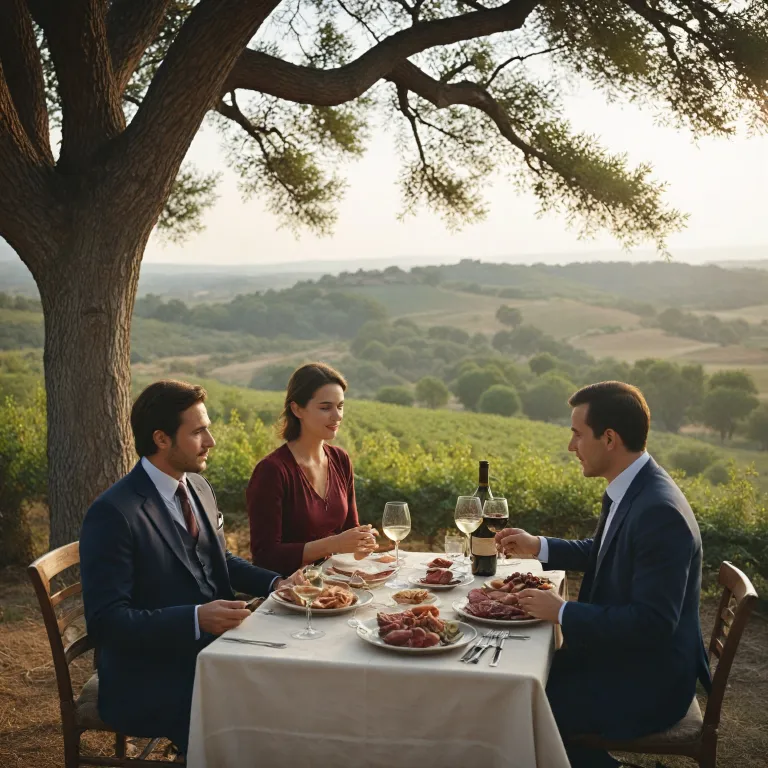
Choosing wines in southern France from your Aquitaine hotel
Staying in a luxury hotel in Aquitaine places you at the heart of exceptional wine culture in southern France. From your suite or spa terrace, the wine choice in southern France becomes part of your daily rhythm, shaping restaurant reservations and day trips. Understanding how each wine, from crisp white to structured red, connects to the surrounding region helps you plan more meaningful tastings.
Many premium hotels curate lists that balance local french wine with celebrated labels from other regions of France. You will often see bordeaux and other french wines beside selections from Provence, the Rhône Valley, Burgundy, and the Loire Valley, each reflecting different grape varieties and styles. This regional diversity allows you to compare red wines and white wines over several evenings, without ever leaving the property.
Begin by asking the sommelier to explain how the wine list reflects south France terroirs and current trends. They can highlight how climate change is reshaping grapes in Languedoc Roussillon and the wider wine region, influencing both red wine and white wine profiles. Their guidance is especially valuable as domestic wine consumption in France has shifted, with younger guests favouring white, rosé, and lighter red wines during their stays.
Within Aquitaine, bordeaux remains the reference point for many travellers considering wine choice in southern France. Expect to encounter cabernet sauvignon and merlot based red wines, alongside white wines built on sauvignon blanc and sémillon. These french white options range from bright and citrus driven to more full bodied expressions, ideal with refined hotel cuisine.
Luxury properties often design tasting flights that compare bordeaux with wines from Provence and the Rhône Valley. This allows you to explore how grape varieties such as grenache, syrah, and mourvèdre differ from cabernet and merlot in both structure and fruit character. By the end of a well planned stay, you will better understand how each region in south France contributes to the broader identity of french wines.
Understanding grape varieties and styles from your suite
When browsing a hotel wine list, recognising key grape varieties helps you make confident choices. In bordeaux, cabernet and cabernet sauvignon bring structure and dark fruit, while merlot softens the blend and adds plush texture. These red wines can feel quite full bodied, especially from prestigious chateau estates that age their bottles carefully.
Further east in southern France, the Rhône Valley and Languedoc Roussillon focus more on grenache, syrah, and carignan. These grapes often yield red wine with generous fruit, spice, and a sun drenched character that pairs beautifully with grilled meats or rich sauces. Many hotels in Aquitaine now include these regional wines to broaden the wine choice in southern France available by the glass.
For guests who prefer white wines, sauvignon blanc is a familiar anchor on most lists. This white grape thrives in both bordeaux and the Loire Valley, producing white wine with citrus, herbal notes, and refreshing acidity. In some chateau bottlings, sauvignon is blended with sémillon to create more layered french white styles that suit seafood or creamy dishes.
Chenin blanc, historically associated with the Loire Valley, increasingly appears on premium hotel menus as well. This versatile white grape can produce dry, off dry, and sweet wines, giving you several options for aperitif, main courses, or dessert. When you see chenin blanc from a cooler wine region, expect higher acidity and more tension than many southern france whites.
Pinot noir and pinot based wines from Burgundy also feature in refined Aquitaine properties, even though they originate further north. These red wines tend to be lighter in colour and body than cabernet sauvignon, with delicate red fruit and earthy nuances. Ordering both pinot noir and a bordeaux red during one dinner is an elegant way to compare french wines and refine your personal preferences.
Pairing hotel gastronomy with regional french wines
Fine dining restaurants in Aquitaine hotels are ideal settings to explore the wine choice in southern France. Menus often highlight local produce, from Atlantic seafood to duck and seasonal vegetables, which pair naturally with nearby bordeaux and other regional wines. A thoughtful sommelier will guide you through white, red, and rosé options that enhance each course without overwhelming the flavours.
Start an evening with a glass of white wine based on sauvignon blanc or chenin blanc, especially if you order oysters or shellfish. These white wines offer bright acidity and citrus or green fruit notes that refresh the palate between bites. If you prefer a richer style, ask for a more full bodied french white from a respected chateau, perhaps with subtle oak influence.
For main courses built around lamb, beef, or game, bordeaux red wines remain a classic choice. Cabernet sauvignon and cabernet led blends bring structure, dark fruit, and savoury complexity that stand up to robust sauces. In contrast, a pinot noir from Burgundy or a grenache based red wine from the Rhône Valley will feel more delicate, suiting lighter preparations or poultry.
Rosé from Provence and Languedoc Roussillon has become increasingly popular among hotel guests in south France. These regional wines, often pale in colour, combine red fruit aromas with refreshing dryness, making them versatile with salads, grilled fish, or poolside snacks. Their style reflects broader shifts in wine consumption in France, where many travellers now seek lighter, more approachable options.
For dessert, consider sweet wines from the Loire Valley or select appellations near bordeaux, particularly when the menu features fruit tarts or blue cheese. These sweet wines balance sugar with acidity, preventing the pairing from feeling cloying or heavy. By experimenting across courses, you transform each dinner into a curated journey through the wine region landscape of southern france.
From hotel lobby to vineyard: planning refined excursions
Many luxury hotels in Aquitaine now act as gateways to the wider wine region of southern France. Concierges maintain close relationships with winegrowers in Southern France and can arrange private visits to chateau estates or smaller family domains. This personalised access allows you to move seamlessly from a polished lobby to vineyards where grapes are grown and harvested.
Popular day trips include tours into bordeaux vineyards, where you can taste red wines based on cabernet and merlot directly in historic cellars. Guides explain how soil, exposure, and grape varieties shape each french wine, giving context to the labels you saw on the hotel list. Similar excursions can extend toward Languedoc Roussillon or the Rhône Valley, where regional wines showcase different expressions of fruit and structure.
Some Aquitaine properties also coordinate helicopter or chauffeured car itineraries that link several wine region stops in one day. You might begin with white wines and french white blends near the Atlantic, continue with full bodied red wine inland, and finish with sweet wines in a cooler valley. These experiences highlight how diverse southern france can be, even within a relatively compact area.
When planning, consider the growing influence of sustainable viticulture and climate adaptation across south France. Many producers now experiment with alternative grape varieties and updated canopy management to protect grapes from heat and drought. Visiting such estates offers insight into how the future of french wines is being shaped in real time.
To deepen your cultural immersion, pair vineyard visits with stays focused on art, architecture, and gastronomy. A useful resource is this guide to luxury and premium hotel booking in Aquitaine for cultural excursions, which helps align your wine choice in southern France with broader travel interests. By coordinating tastings, museum visits, and fine dining, your hotel becomes a curated base for exploring both wines and wider regional heritage.
Navigating wine lists in luxury and premium Aquitaine hotels
For many travellers, the most immediate contact with french wines occurs through the hotel wine list. In Aquitaine, these lists often prioritise bordeaux but increasingly integrate regional wines from Provence, the Rhône Valley, Languedoc Roussillon, and the Loire Valley. Understanding the structure of the list helps you approach the wine choice in southern France with clarity rather than hesitation.
Most premium properties organise wines by colour, then by region, and finally by grape varieties or chateau. Under white wines, you will typically find sauvignon blanc, chenin blanc, and other french white options, sometimes grouped by wine region such as Loire Valley or bordeaux. Under red wines, cabernet sauvignon, merlot, syrah, grenache, and pinot noir appear either as single varietal wines or blends.
Do not hesitate to ask staff to explain terms like full bodied, medium bodied, or light bodied when choosing a red wine or white wine. These descriptors indicate how intense the wine will feel on your palate and how it might pair with your dish. If you enjoy pronounced fruit and softer tannins, mention this preference so the sommelier can guide you toward appropriate french wine styles.
Guests with a sweet palate should look for sections dedicated to sweet wines, often listed after sparkling options. These may include late harvest chenin blanc, botrytised selections, or fortified wines from specific areas of southern france. Served chilled, they can be enjoyed either with dessert or as a contemplative glass in the hotel bar.
As you become more familiar with the terminology, you will notice how each south France region brings something distinct. Provence contributes elegant rosé, the Rhône Valley offers structured reds, Languedoc Roussillon delivers value driven regional wines, and bordeaux anchors the list with age worthy chateau bottlings. This awareness transforms the hotel wine list from a daunting document into a map of experiences waiting to be explored.
Current trends shaping wine choice in southern France
The context behind your glass matters, especially when staying in a luxury hotel that values provenance. In recent decades, per capita wine consumption in France has declined significantly, even as the reputation of french wines has remained strong internationally. This shift has encouraged producers in southern france to adapt styles and communication to new generations of travellers.
One visible trend in south France hotels is the rising prominence of white wines and rosé alongside traditional red wines. Younger guests often favour white, rosé, and lighter red wine options that feel refreshing by the pool or on a terrace. As a result, wine lists now feature more sauvignon blanc, chenin blanc, and Provence rosé, sometimes at the expense of heavier full bodied reds.
Climate change is another powerful force reshaping grapes and wine styles across the Rhône Valley, Languedoc Roussillon, and bordeaux. Warmer seasons can increase sugar levels in grapes, leading to higher alcohol and riper fruit profiles in both red and white wines. To respond, many winegrowers in Southern France experiment with canopy management, irrigation where permitted, and alternative grape varieties better suited to heat.
At the same time, international trade tensions have created uncertainty for french wine exports, particularly in key markets. Hotels in Aquitaine sometimes respond by highlighting more regional wines to domestic and European guests, reinforcing local identity. This focus benefits travellers who wish to connect their stay directly to the surrounding landscape and culture.
As one industry overview notes, “Per capita wine consumption has declined from 119 liters in 1961 to 31.1 liters in 2021, with a slight increase to 35.8 liters in 2022.” This evolution underscores why many properties now emphasise education, tastings, and storytelling around french white, red, and sweet wines. By engaging with these narratives, you participate in a living chapter of southern France wine history rather than simply ordering another glass.
Practical tips for selecting wines during your Aquitaine stay
With so many options available, a few practical guidelines can simplify your wine choice in southern France. First, consider the time of day and setting when choosing between white wines, red wines, rosé, or sweet wines. A chilled white wine or light rosé suits afternoon relaxation, while a structured red wine may be better reserved for dinner.
Second, use the region as a compass when reading the list in your Aquitaine hotel. If you want classic structure and ageing potential, look toward bordeaux chateau labels dominated by cabernet sauvignon and merlot. For something more relaxed and fruit forward, explore regional wines from Languedoc Roussillon or the Rhône Valley, where grenache and syrah often lead.
Third, match grape varieties to your preferred flavour profile rather than relying solely on price. Sauvignon blanc and chenin blanc typically offer higher acidity and citrus or orchard fruit, ideal for seafood or salads. Pinot noir and lighter cabernet based reds provide red fruit and moderate tannins, while full bodied blends from south France deliver darker fruit and more weight.
Fourth, do not overlook french white and sweet wines when planning special moments during your stay. A glass of late harvest chenin blanc or another dessert style from the Loire Valley can elevate room service or a private celebration. Similarly, a carefully chosen french wine flight allows you to compare several regions of southern france without committing to full bottles.
Finally, remember that hotel teams, from sommeliers to concierges, are partners in your exploration of french wines. They understand both the technical aspects of grapes and the practical realities of travel schedules, restaurant bookings, and excursions. By sharing your tastes openly, you transform each recommendation into a tailored experience that reflects the best of the wine region surrounding Aquitaine.
Key statistics on wine and tourism in France
- Per capita wine consumption in France reached 119 litres at its historical peak, then declined to 31.1 litres before a modest rebound to 35.8 litres.
- Global wine production recently experienced a decline of around 10 percent, affecting availability and pricing for some french wines.
- French wine and spirits exports have been valued at more than 14 billion euros, underlining the economic importance of wine regions such as bordeaux and southern france.
Frequently asked questions about southern France wines
What are the main grape varieties grown in Southern France?
Key grape varieties include Grenache, Syrah, Cinsaut, Carignan, and Mourvèdre for reds; and Bourboulenc, Clairette blanche, and Barbaroux for whites.
How has wine consumption in France changed over the years?
Per capita wine consumption has declined from 119 liters in 1961 to 31.1 liters in 2021, with a slight increase to 35.8 liters in 2022.
What challenges is the French wine industry currently facing?
The industry faces declining domestic consumption, climate change impacts, and international trade tensions affecting exports.